Bitcoin Has Lost Its Raison d'Être — SkimNews

Get the Finance newsletter
Daily finance — markets, central banks, M&A, the prints that move money. Free.
- Bitcoin was created in the wake of the 2008 financial crisis to bypass central bank policy, with a fixed supply of 21 million units designed to rise against debased fiat currency.
- The world's four biggest central banks tripled their money supply from US$32-trillion to US$100-trillion since the financial crisis, fueling the asset price surge that powered bitcoin's rise from US$100.
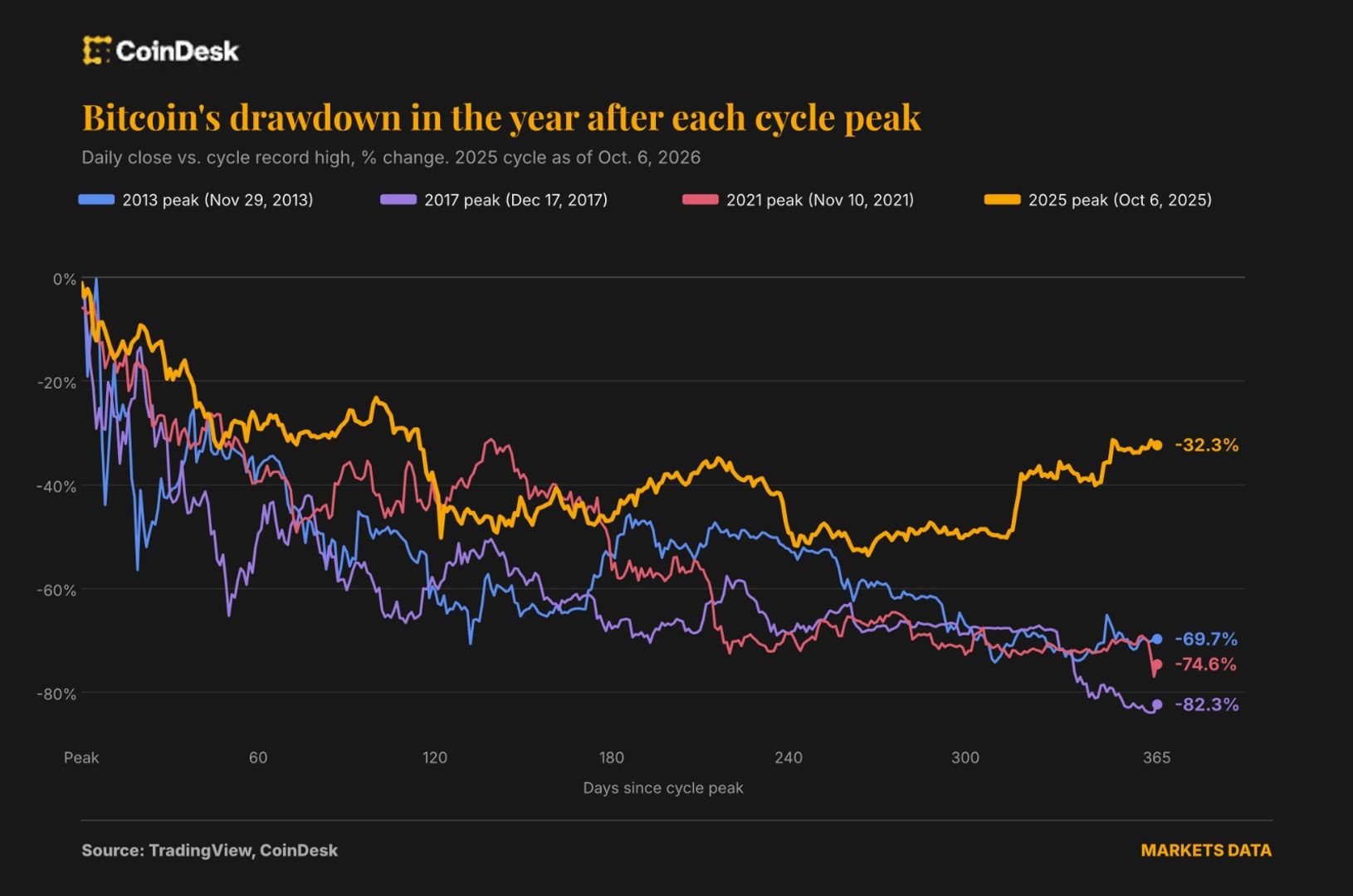
- Bitcoin peaked at over US$125,000 late last year with an annual rate of return exceeding 80 percent, but has since lost half its value as capital rotates to AI stocks and megacap IPOs.
- Jerome Powell, as then-Federal Reserve chair, retired the term "transitory inflation" in late 2021, marking the slowdown of the pandemic-era money supply expansion.
- Rising interest rates on Western government debt have ended the forty-year bull market in bonds, with rates bottoming under 1 percent in real terms before resuming their climb.
- U.S. President Donald Trump would like the Fed to debase the currency, which could buy bitcoin a stay of execution — though Rapley argues debasement is harder in an age of financial globalization.
Why it matters: The roughly US$32-trillion-to-US$100-trillion expansion of the four biggest central banks' money supplies powered bitcoin's rise from US$100 to over US$125,000, and that liquidity tide is now receding. With inflation proving stickier than central banks expected and investors demanding higher premiums on Western government debt, the cheap-money environment that delivered bitcoin 80% annualized returns appears structurally over — leaving true believers with a currency whose central premise no longer holds.
Ask SkimNews