Gabbard Resigns as Intel Chief Amid Iran War Rift — SkimNews
Get the Geopolitics newsletter
Daily geopolitics — wars, elections, sanctions, the diplomatic moves that move markets. Free.
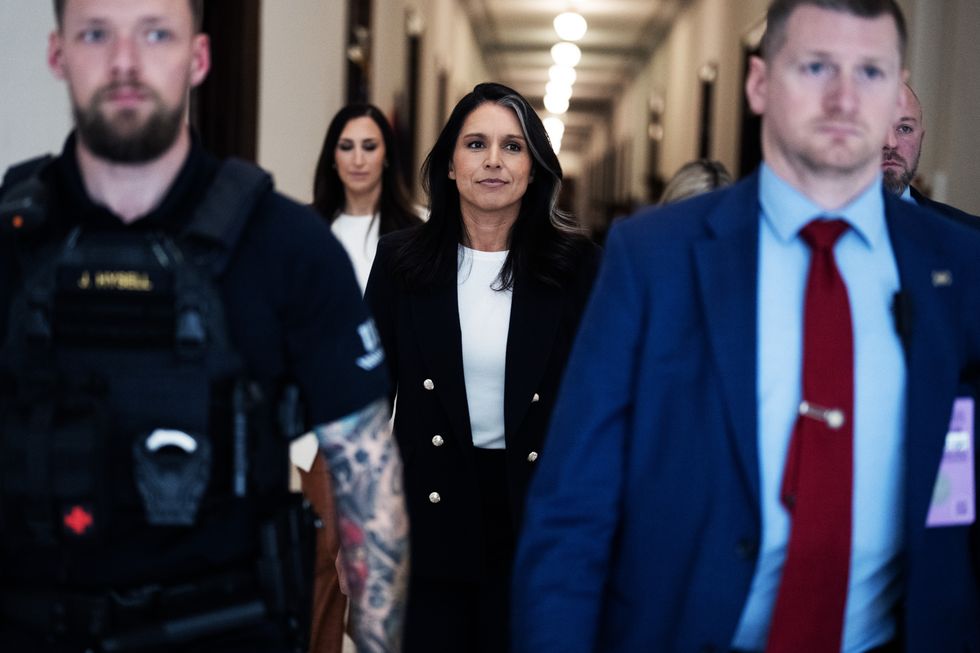
- Tulsi Gabbard resigned as Director of National Intelligence on Friday, officially citing her husband's rare bone cancer, though reports indicate she was "squeezed out" after months of tensions with Trump over the Iran war.
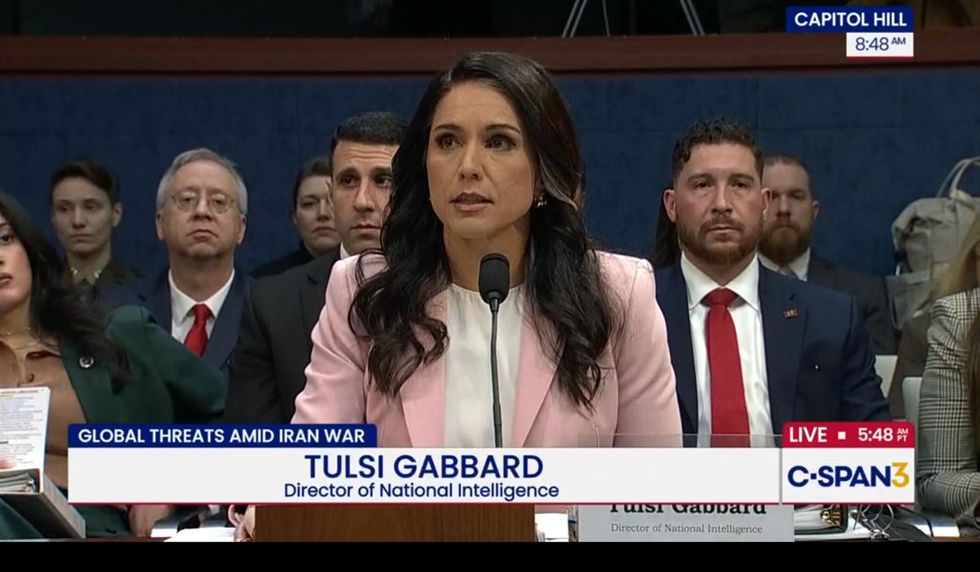
- In a March hearing, Gabbard declined to call Iran an imminent threat to the U.S., and her office said before Operation Midnight Hammer that Iran was not actively building a nuclear weapon — consistent with intelligence assessments dating back to 2007.
- Curt Mills, executive director of the American Conservative, called the departure "an admixture" of moral protest, familial duty, and being ousted, and argued that anyone opposing the war should have already resigned.
- Former NSC official Joe Kent, who himself resigned in protest, said the office was "closed off" from the president and that "the circle shrunk down to just the president and a handful of advisors" after the 12-day war.
- Kent blamed pro-Israel voices in the administration — including Jewish Insider, Laura Loomer, and Mark Levin — for driving the campaign to smear and sideline realists who opposed the war.
- Trump gave no indication of conflict, posting on Truth Social that Gabbard did an "incredible job," and Republican officials and lawmakers largely responded with well wishes for her husband.
Why it matters: Gabbard's exit removes the most prominent anti-war voice from U.S. intelligence as the administration prosecutes war with Iran. Her refusal to endorse the "imminent threat" framing — backed by 2007-era assessments — put her at odds with hardliners, and Kent's account suggests the NSC process had collapsed, leaving Trump advised by a tiny inner circle.
Ask SkimNews