Oil price rises after Iran says it stops ships in Hormuz — SkimNews
Get the Geopolitics newsletter
Daily geopolitics — wars, elections, sanctions, the diplomatic moves that move markets. Free.
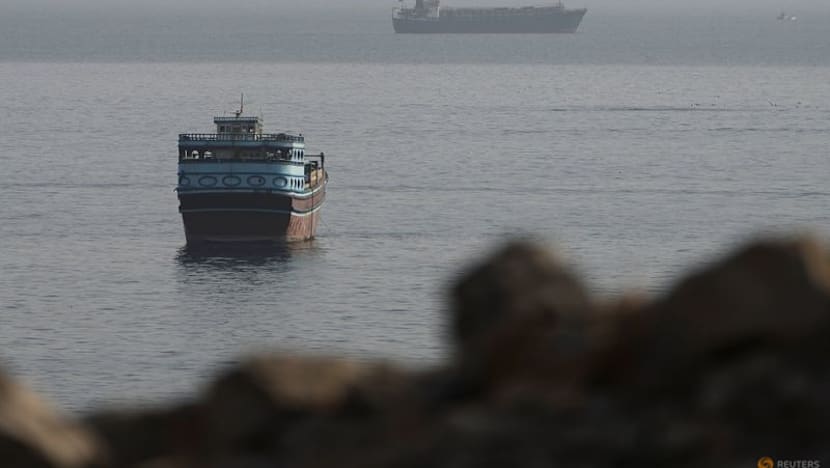
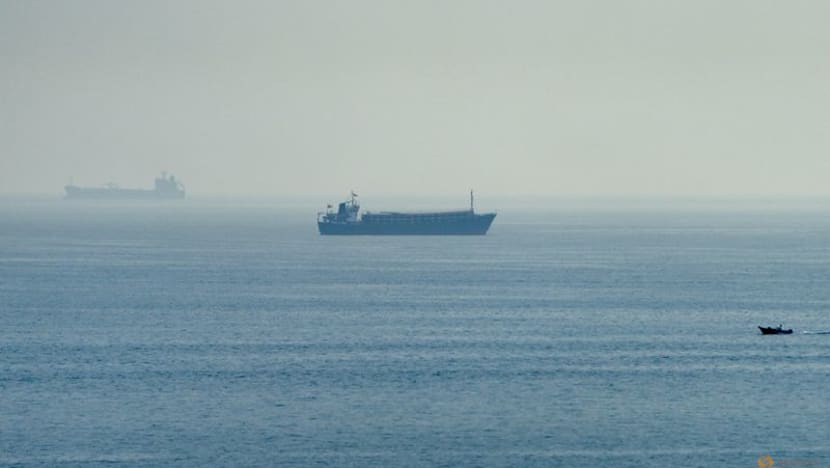
- Oil prices rose more than 1% on Friday after Iran's Strait of Hormuz authority said it stopped two vessels seeking to exit, with four other tankers reportedly turning back, though the reports could not be independently confirmed.
- Benchmark Brent crude was on track to rise 23% in July, and a Reuters poll of economists and analysts expects prices to climb further this year.
- Iran has blocked most shipping through the Strait of Hormuz — which normally carries about one-fifth of the world's energy shipments — since the five-month-old conflict began, while Houthi allies this month began threatening Bab el-Mandeb at the Red Sea's southern end.
- Iran's army said it targeted U.S. military facilities in Kuwait and Bahrain on Friday in retaliation for U.S. attacks; Kuwait's military said it destroyed the drones with no casualties.
- Saudi Arabia unveiled plans for a multinational maritime defence coalition to protect Red Sea shipping, and London's marine insurance market widened its "high risk" zone to include more Saudi coastline after Houthi attacks.
- Oman presented Iran with a Gulf-states-backed plan to manage the Strait of Hormuz including voluntary transit fees; Iran publicly rejected it but its foreign ministry said talks with Oman were continuing.
- President Trump told Fox News the war was going well: "All you can do is keep winning, then eventually something will happen," without elaborating.
- Egypt's cabinet said a drone caused a fire on two vessels at the Mediterranean port of Damietta on Thursday; Iran denied involvement and Foreign Minister Abbas Araqchi called for vigilance against "Israeli plots and false-flag operations."
Why it matters: With Brent already tracking a 23% monthly gain and analysts polled by Reuters expecting further increases, the simultaneous disruption of Hormuz, Bab el-Mandeb, and a Mediterranean drone strike means Saudi crude faces longer, costlier voyages around Africa to reach Asian buyers — and the Iran war is now physically reaching U.S. partners in Kuwait and Bahrain, expanding the conflict's footprint beyond the Gulf.
Ask SkimNews