Beyond Category 5: What extreme hurricanes mean for electric utilities — SkimNews
Get the Energy newsletter
Daily energy & climate — solar, EVs, oil, the policy fights and tech bets shaping the transition. Free.
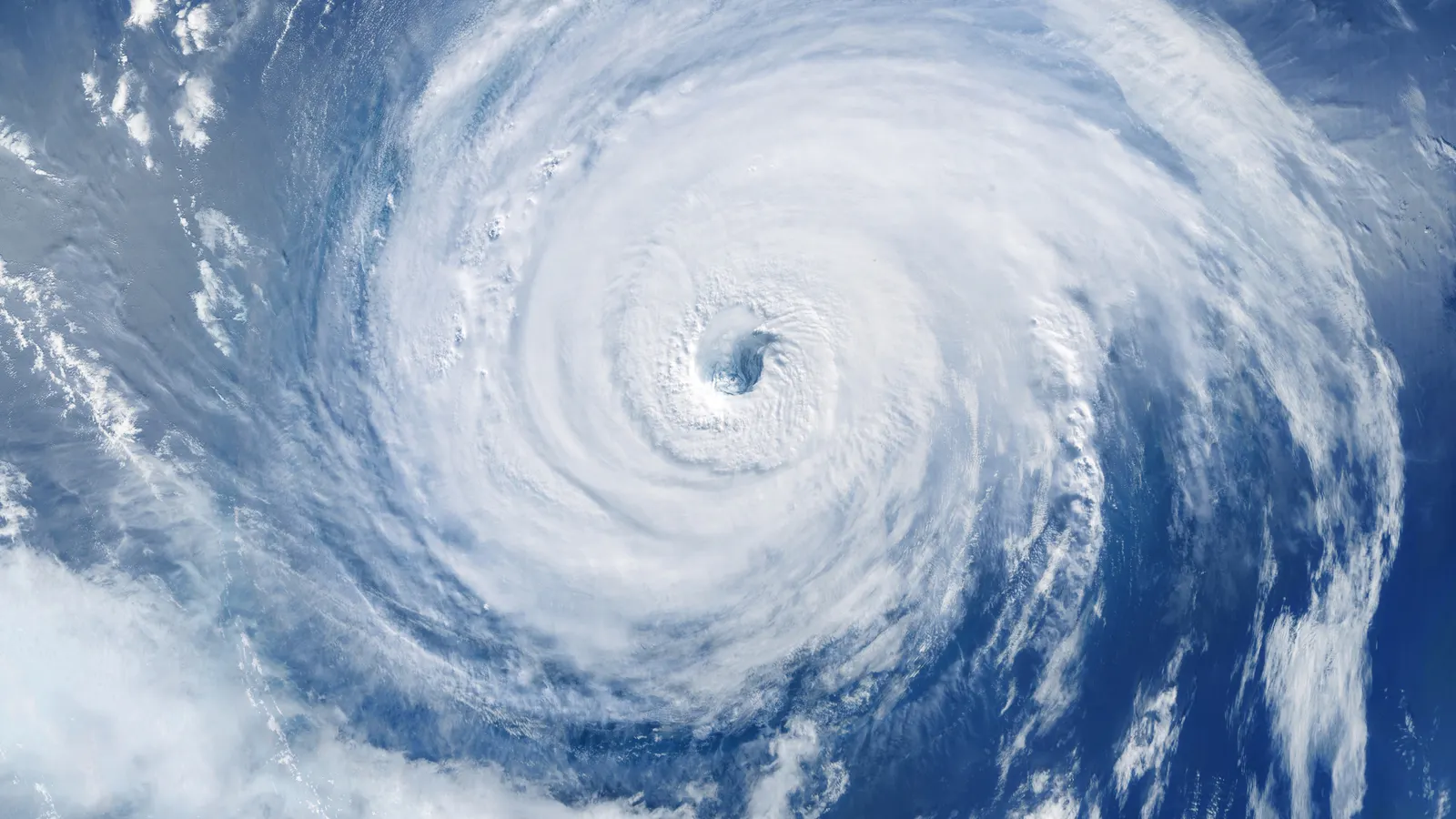
- Hurricane Melissa made landfall in Jamaica on October 28, 2025 as a Category 5 with sustained winds of 185 mph, reigniting debate over whether to add a Category 6 to the Saffir-Simpson scale
- A 2024 study proposed that storms with sustained winds exceeding 192 mph could warrant a new Category 6 designation, but some experts warn the label could diminish perceptions of Category 5 risk
- Patrick A. Harr, a hurricane expert and fellow of the American Meteorological Society, said a Category 6 rating could serve as a communication strategy to alert the public that past conditions no longer apply to future storms
- The Saffir-Simpson scale, developed in the 1960s, measures only wind speed — a framework that can understate the destruction of large, slow, wet storms like Superstorm Sandy, which made landfall as a Category 3 in 2012 yet became one of the costliest U.S. natural disasters on record
- Strong El Niño years average four additional storms, two to three more hurricanes, and one to two more major hurricanes in the central and eastern North Pacific, and a concurrent marine heat wave could push storm impacts into northwestern Mexico and the southwestern U.S., per Harr
- Michael Levy and Sarah Pearl of Baringa argue utilities should shift from historical storm data to forward-looking climate projections, since assets designed for near-term conditions may be ill-suited to emerging risks over their operational lives, leading to higher costs or premature replacement
Why it matters: The Saffir-Simpson scale's wind-only design can understate the compound destruction potential of large, slow, wet storms like Sandy — meaning utilities that use category labels as a proxy for grid risk may undersize hardening investments. With El Niño plus a Pacific marine heat wave potentially extending hurricane reach into the southwestern U.S. this season, the authors argue that historical-pattern planning is no longer sufficient for multi-decade grid assets.
Ask SkimNews