Why Hurricane Categories Fail Utility Grid Planning — SkimNews
Get the Energy newsletter
Daily energy & climate — solar, EVs, oil, the policy fights and tech bets shaping the transition. Free.
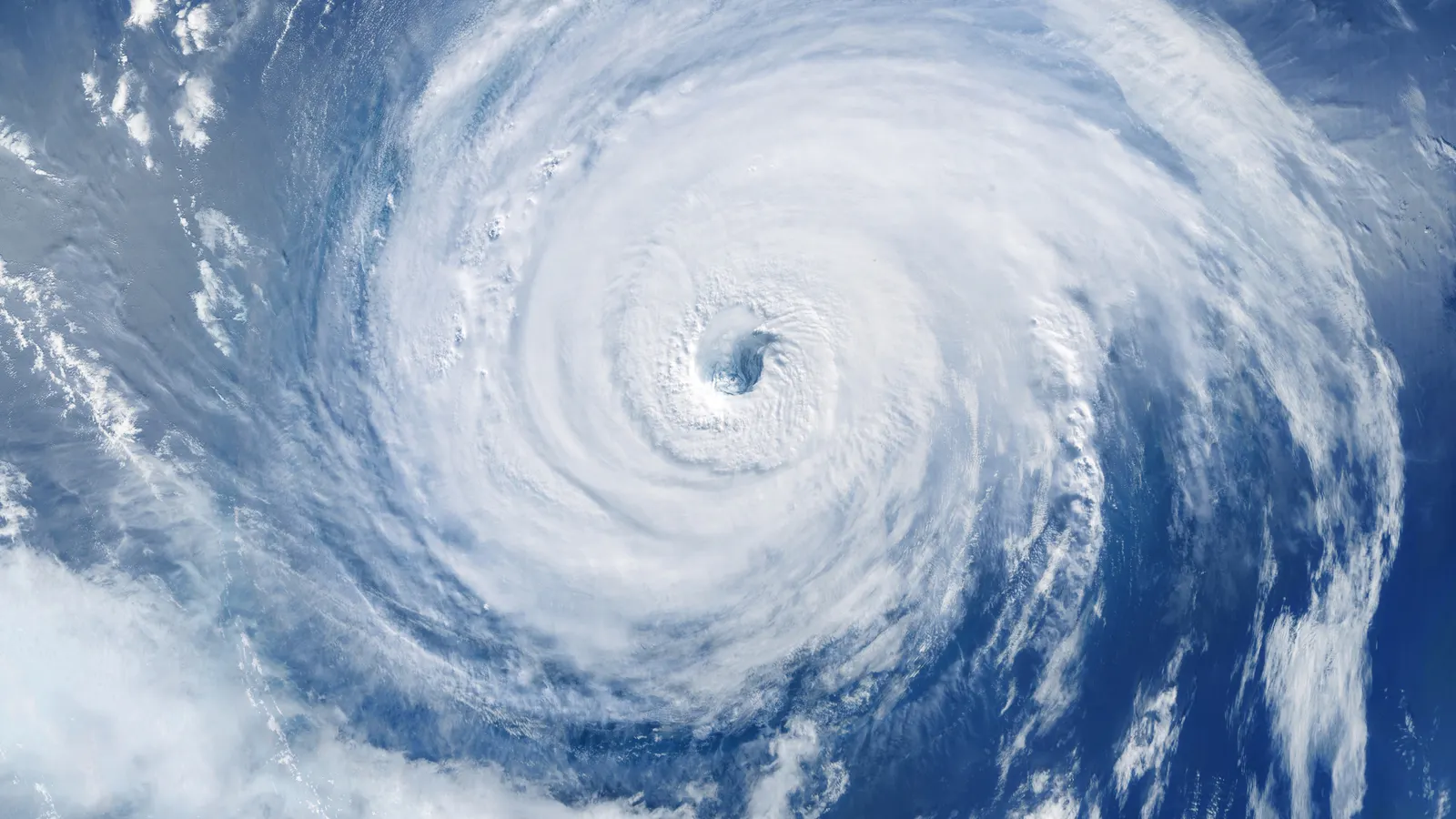
- Hurricane Melissa struck Jamaica on October 28, 2025 as a Category 5 with 185 mph sustained winds — well above the Saffir-Simpson Hurricane Wind Scale's minimum Category 5 threshold of 157 mph.
- Superstorm Sandy made landfall in October 2012 as a Category 3 hurricane, but its enormous size, storm surge, and widespread flooding made it one of the costliest natural disasters in U.S. history, illustrating that wind speed alone misrepresents a storm's destructive potential.
- Patrick A. Harr, hurricane expert and American Meteorological Society fellow, backs Category 6 as a public-communication tool but argues the National Hurricane Center should replace the wind-only scale with a system capturing compound threats from surge, rainfall, and flooding.
- Strong El Niño years boost central and eastern North Pacific hurricane activity by an average of four additional storms, two to three more hurricanes, and one to two more major hurricanes versus historical averages; combined with an unusual eastern North Pacific marine heat wave, storms could maintain strength farther north, elevating risk for northwestern Mexico and the southwestern U.S.
- Utilities still rely heavily on past storm patterns rather than forward-looking climate projections, leaving grid assets properly designed for near-term conditions but ill-suited to emerging risks later in their operational lives — leading to higher costs and potentially premature replacement.
- Baringa consultants argue regulators should require resilience assessments during major disruptions rather than just blue-sky days, since most customer harm now occurs during extreme weather events that current reliability metrics exclude.
- The 2024 proposal by hurricane researchers would create a Category 6 for storms with sustained winds exceeding 192 mph, though some experts warn the new label could undermine public perception of Category 5 risks.
Why it matters: Utilities that budget resilience around the Saffir-Simpson scale risk misallocating capital: the article cites Hurricane Melissa's 185 mph Jamaica landfall and Superstorm Sandy's Cat 3 devastation as evidence that wind speed alone understates compound flood, surge, and exposure risk. Forward-looking climate projections and monetized risk frameworks — not categories — will determine which utilities avoid premature asset replacement and reduce outages during the next major storm.
Ask SkimNews