Two years after Hurricane Helene, survivors are taking lessons for the future — SkimNews
Get the Energy newsletter
Daily energy & climate — solar, EVs, oil, the policy fights and tech bets shaping the transition. Free.
- Asheville set aside $2 million for resilience hubs and city manager D.K. Wesley made a "soft commitment" of up to $10 million long-term, formalizing the ad hoc community response that emerged after Helene.
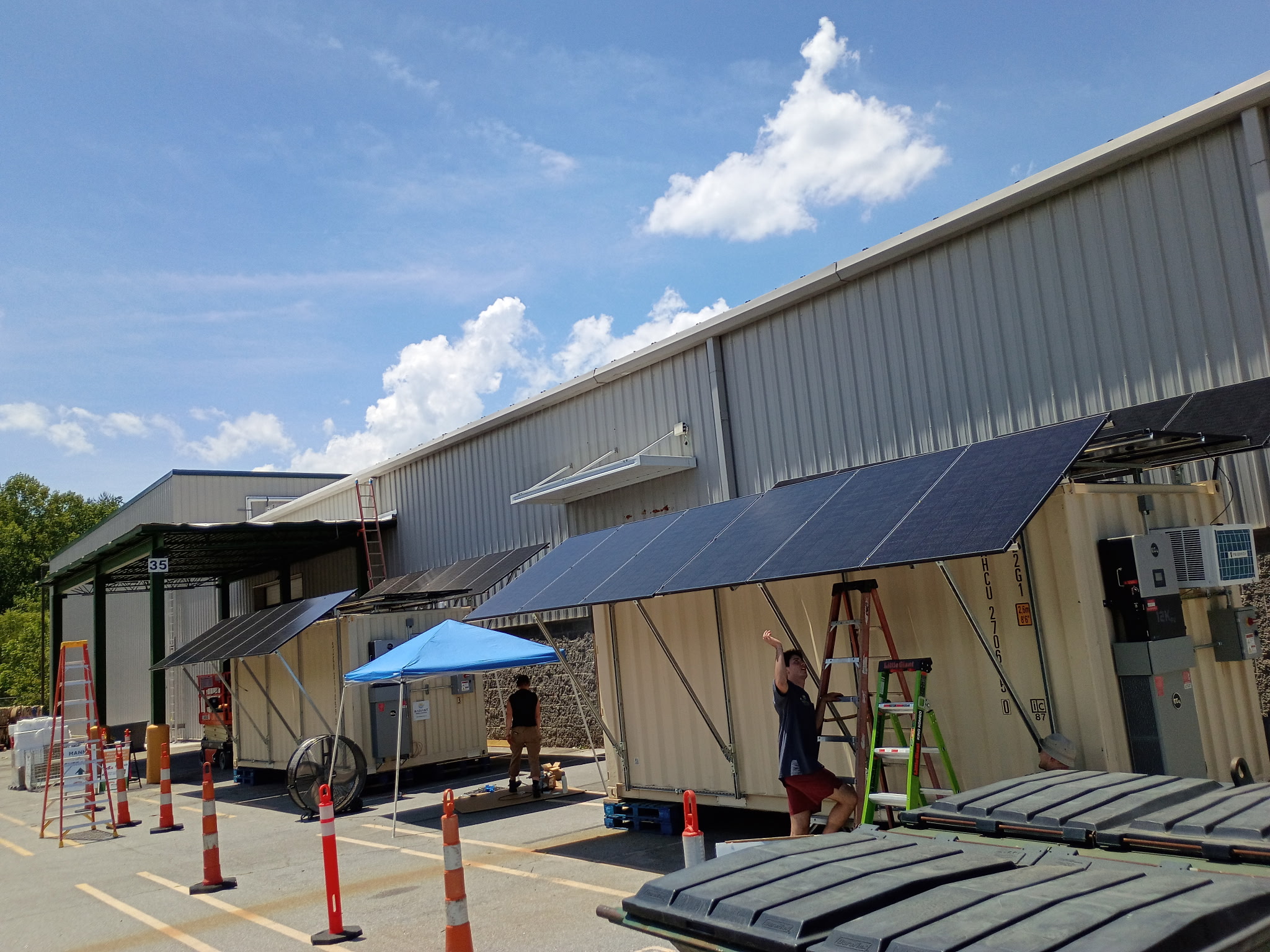
- Beacon of Hope in Marshall became the first of 26 planned solar microgrids funded by a $5 million state Department of Environmental Quality grant; the system stores 68 kilowatt-hours and can run the laundromat, thrift store, and food bank for at least a day off-grid.
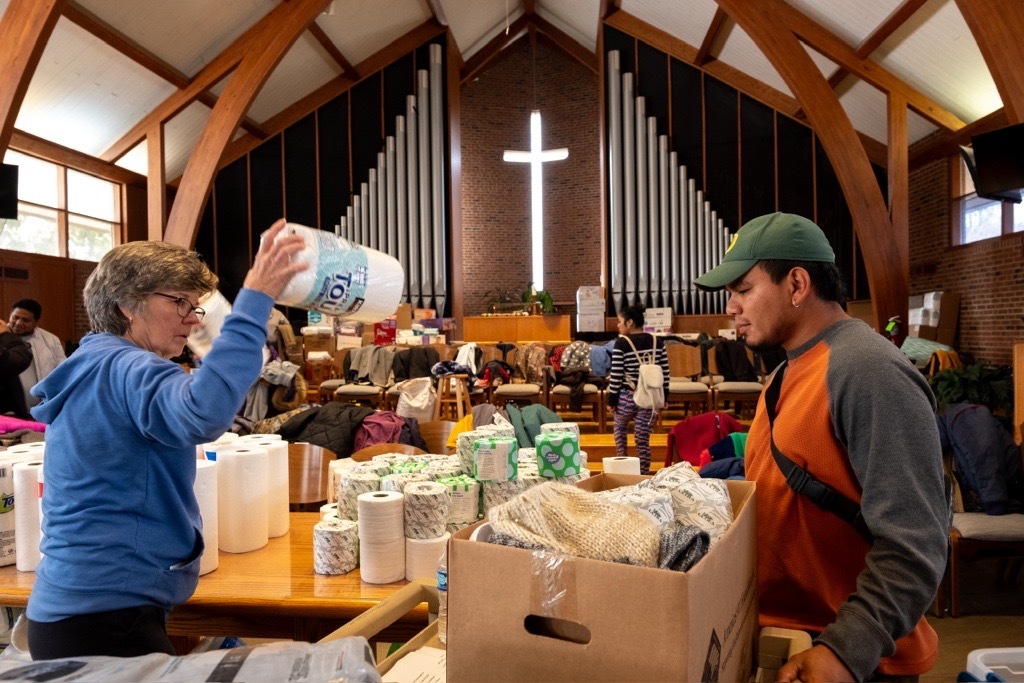
- Beacon of Hope's food pantry serves roughly 1,600 families weekly, with director Jessi Koontz reporting hunger up about 50% since last summer — making the microgrid critical infrastructure for daily survival, not just emergencies.
- GMRS radio licenses in the region jumped 130% in the year after Helene; Justin Hamel's WNC Radio Project nonprofit has installed two mountain-top signal repeaters, and the network was already used during Winter Storm Fern.
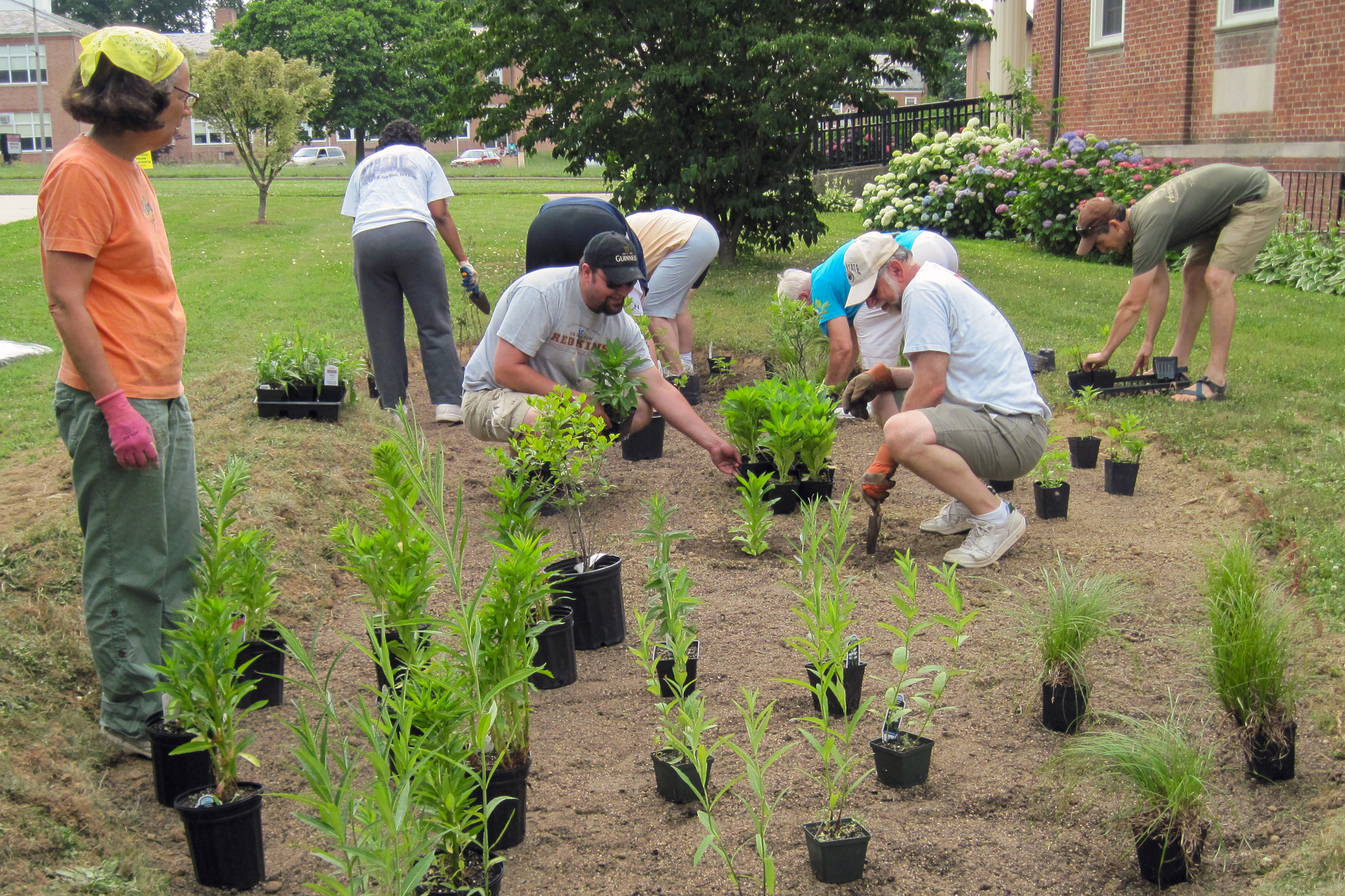
- Quetzal Jordan's Skills Academy for Women has trained more than 500 people in chainsaw safety since Helene — students aged 18 to 75 — while the Asheville Tool Library lends from a collection of over 4,000 tools (though insurance prevents it from lending chainsaws themselves).
Why it matters: Western North Carolina is converting Helene's improvised community response into permanent infrastructure — Asheville committed $2M, and a $5M state grant funds 26 solar microgrids. The first site, Beacon of Hope, serves 1,600 families weekly, showing that for low-income communities, disaster resilience and daily food security now run on the same off-grid system.
Ask SkimNews