Tankers Struck Off Oman as Iran Vows to Close Chokepoints — SkimNews

Get the Geopolitics newsletter
Daily geopolitics — wars, elections, sanctions, the diplomatic moves that move markets. Free.
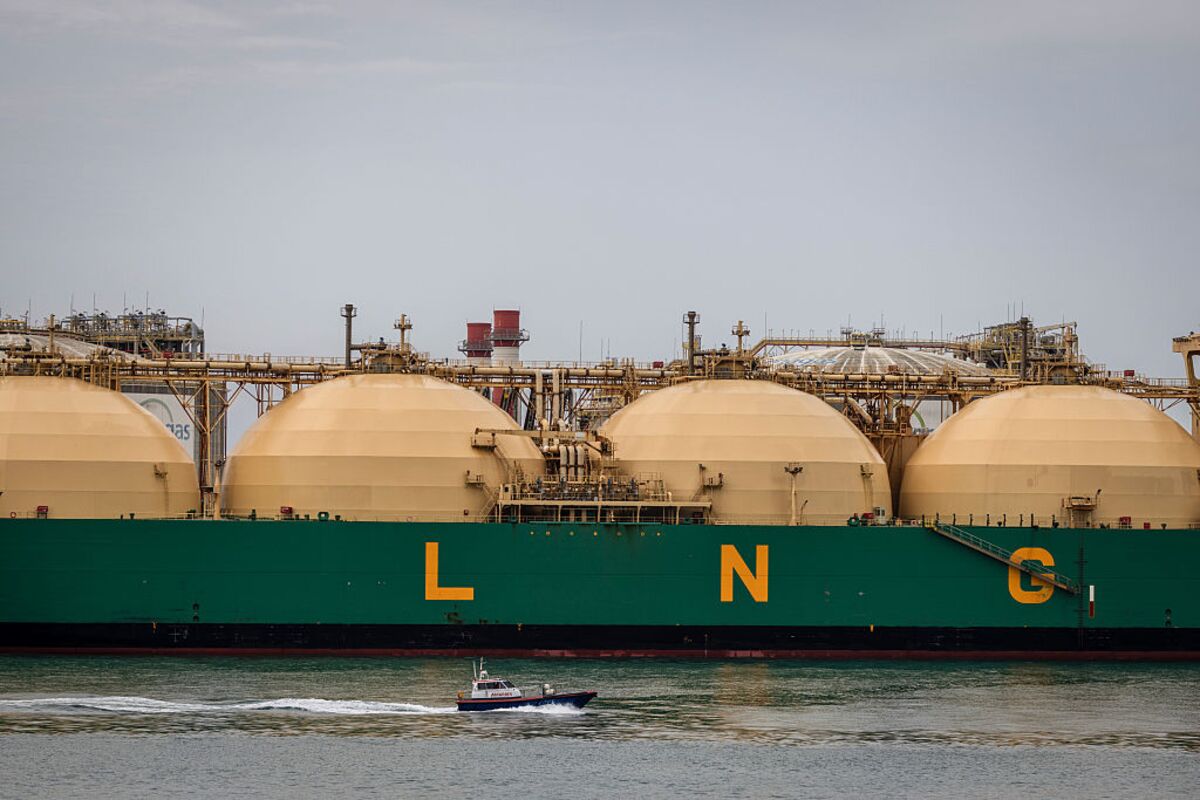
- UKMTO reported a tanker was struck by an "unknown projectile" 11 nautical miles northeast of Oman, damaging the engine room, while a second vessel nearby observed a large explosion — no casualties or environmental damage were reported.
- Iran warned that continued US naval blockade and "warmongering" would not only lock the Strait of Hormuz tighter but "shut down other straits and chokepoints," per Mohammad Bagher Zolghadr, Secretary of Iran's Supreme National Security Council.
- Trump told a cabinet meeting at Camp David "We will be hitting them very hard," and the Wall Street Journal reported he has ordered the military to launch fresh strikes on Iran as early as this weekend, though officials said he could still call them off.
- Kuwait said its air defenses confronted hostile drone attacks by Iran, days after Iran retaliated against US military bases in Kuwait and Bahrain following America's "heavy wave" of strikes on dozens of IRGC targets.
- The June 17 US-Iran memorandum of understanding has effectively collapsed, with neither side yielding on Iran's nuclear program or control of the Strait of Hormuz, through which roughly a fifth of global oil previously transited.
- Houthi strikes in Yemen and a drone attack on two ships at Egypt's Damietta port — the first on Egyptian soil since the war began on Feb. 28 — raised fears the Bab el-Mandeb strait could become a second Iran-targeted choke point.
- West Texas Intermediate futures rose more than 1% to $84.67 a barrel and Brent crude gained more than 1% to $90.12 on Friday, though both benchmarks still fell more than 5% for the week.
Why it matters: The collapse of the June 17 ceasefire and Trump's reported order for weekend strikes raise the prospect that roughly a fifth of global oil transit through the Strait of Hormuz — and potentially the Bab el-Mandeb — could be disrupted simultaneously, driving Brent crude ($90.12) and WTI ($84.67) higher while expanding the war's footprint to Egypt and Kuwait.
Ask SkimNews