AI and the climate crisis pose existential risks. The law offers a way to reduce them | Robert Reich — SkimNews

Get the Energy newsletter
Daily energy & climate — solar, EVs, oil, the policy fights and tech bets shaping the transition. Free.
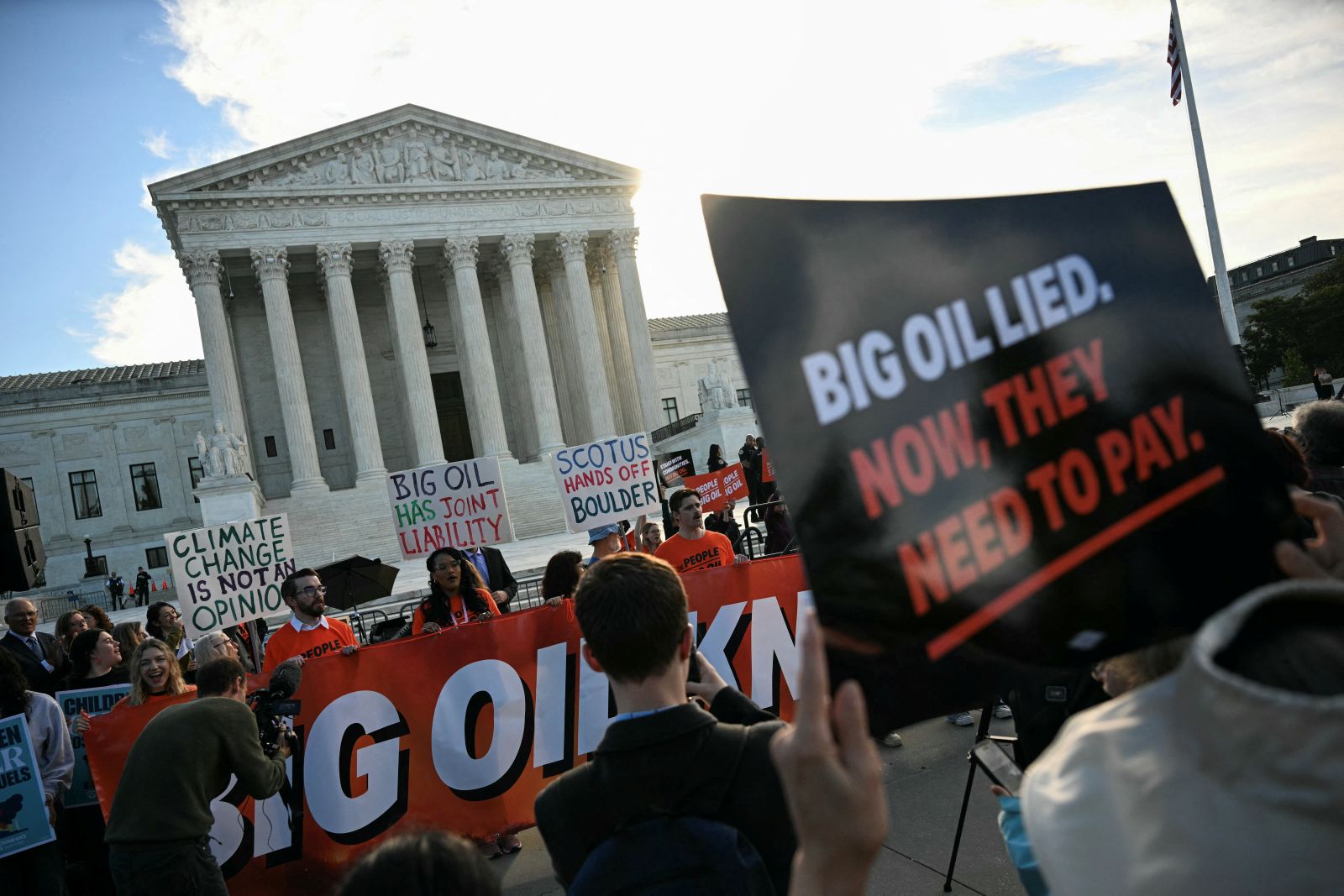
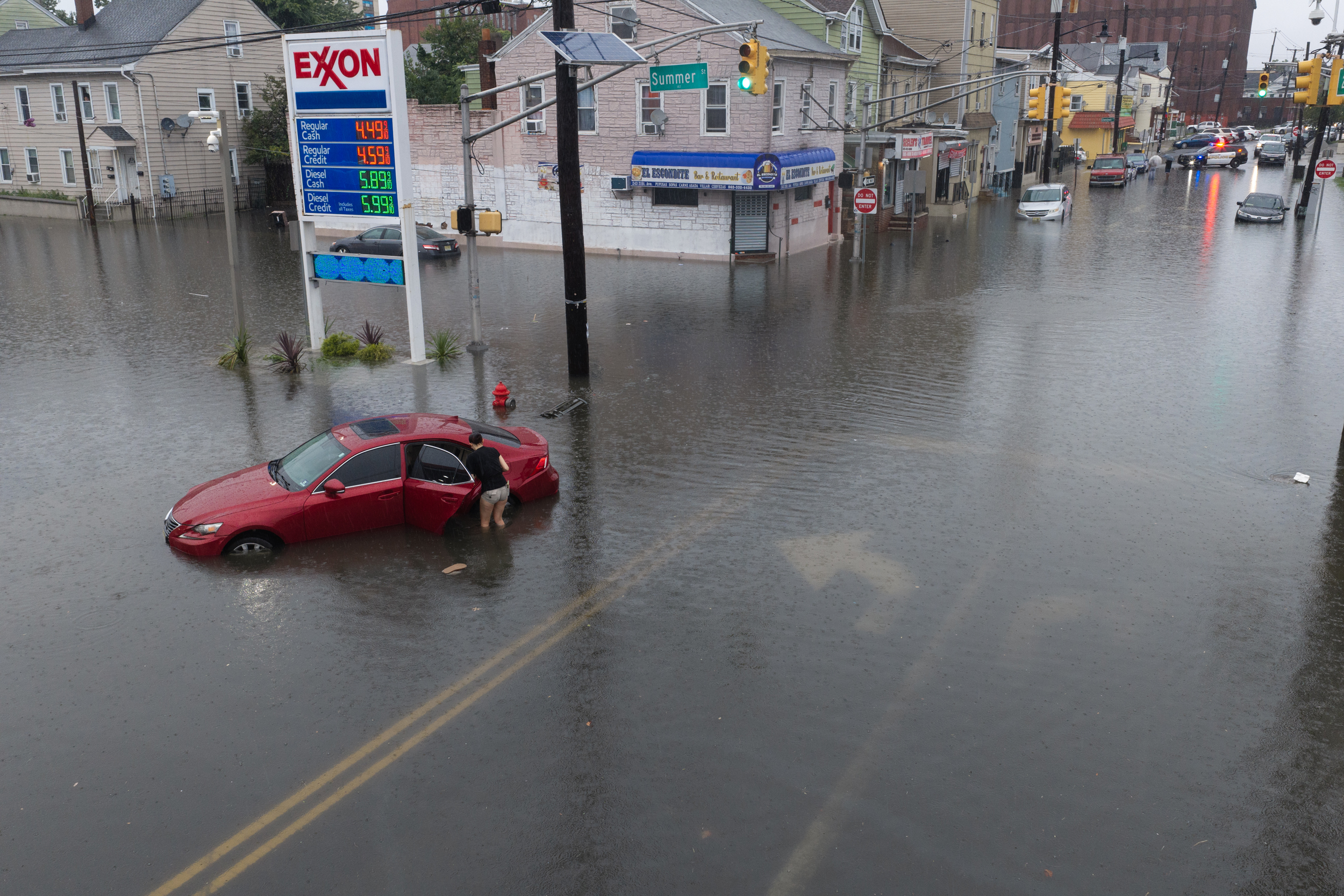
- Suncor v Boulder opened the Supreme Court's new term, with Colorado localities suing Suncor and ExxonMobil to recover costs of climate-fueled disasters, part of roughly three dozen similar suits nationwide.
- At least four justices (Samuel Alito recused) expressed skepticism toward big oil's argument that the Clean Air Act blocks such state-court suits; Justice Elena Kagan demanded, "Where is the text for that?"
- Chief Justice John Roberts compared the Boulder claims to past state-court wins against tobacco and opioid industries, asking what distinguishes the climate cases from suits that were allowed to proceed.
- Reich cited prior mega-settlements as the financial scale at stake: the 1998 tobacco deal worth $206bn (~$423bn in current dollars), BP's $20bn Deepwater Horizon payment in 2010, and the $7.4bn Sackler/Purdue Pharma opioid resolution.
- More than 200 cases already in the courts involve cyber-liability or AI-related product liability, and Reich argued AI companies could face "tens if not hundreds of billions" if their agents cause infrastructure harm — a risk comparable to the ~$423bn tobacco figure and to what tech giants spent on AI chips, servers, and datacenters last year.
- Reich predicted the AI industry will lobby for federal liability caps and industry-funded "trust funds," while also seeking government safety certifications to use as partial defenses — mirroring how pharmaceutical companies lean on FDA approval against lawsuits.
Why it matters: If the Court allows the Suncor suit to proceed, it opens a liability pipeline that could force fossil fuel and AI companies — and their insurers and major investors — to internalize harms they currently externalize, with potential payouts dwarfing the ~$423bn tobacco benchmark. Investors and insurers are already pressuring AI firms on risk controls, suggesting financial markets will discipline the industry before Congress does.
Ask SkimNews