Renewables Hit 30% of US Electricity in 2026 — SkimNews
Get the Energy newsletter
Daily energy & climate — solar, EVs, oil, the policy fights and tech bets shaping the transition. Free.
- Renewables generated 30.0% of US electricity during the first third of 2026, up 2.2 percentage points year-over-year, according to EIA data reviewed by the SUN DAY Campaign.
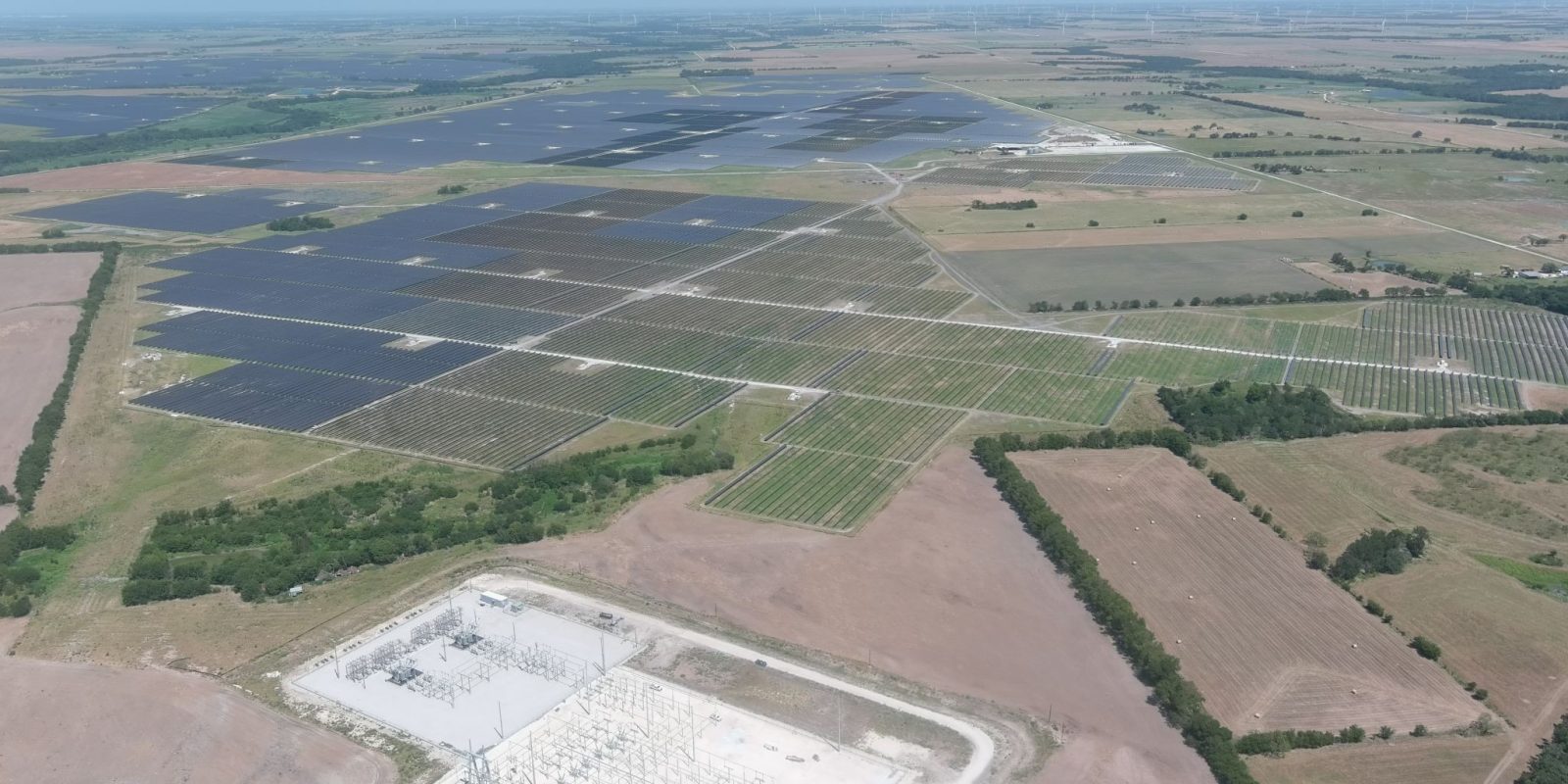
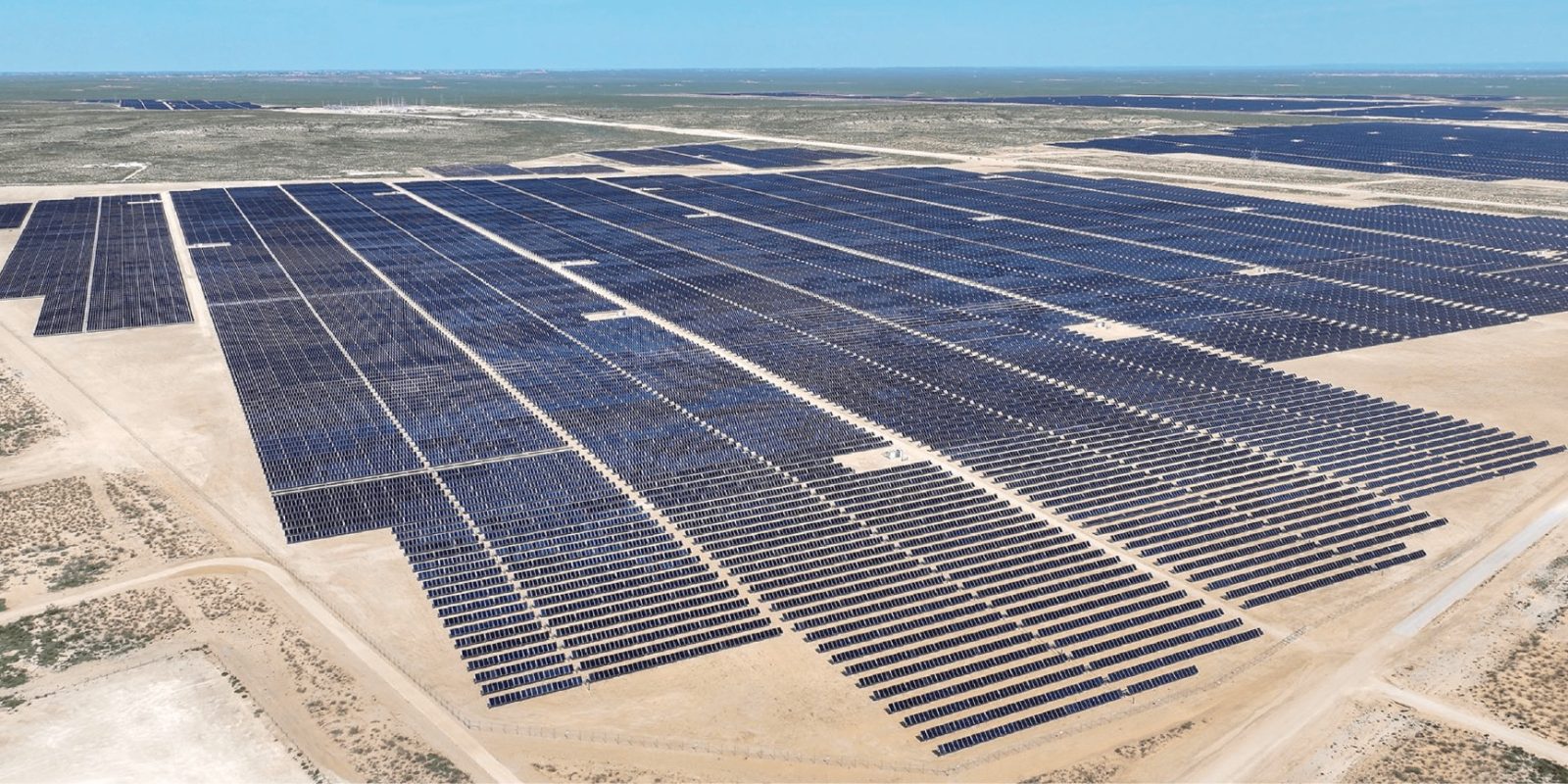
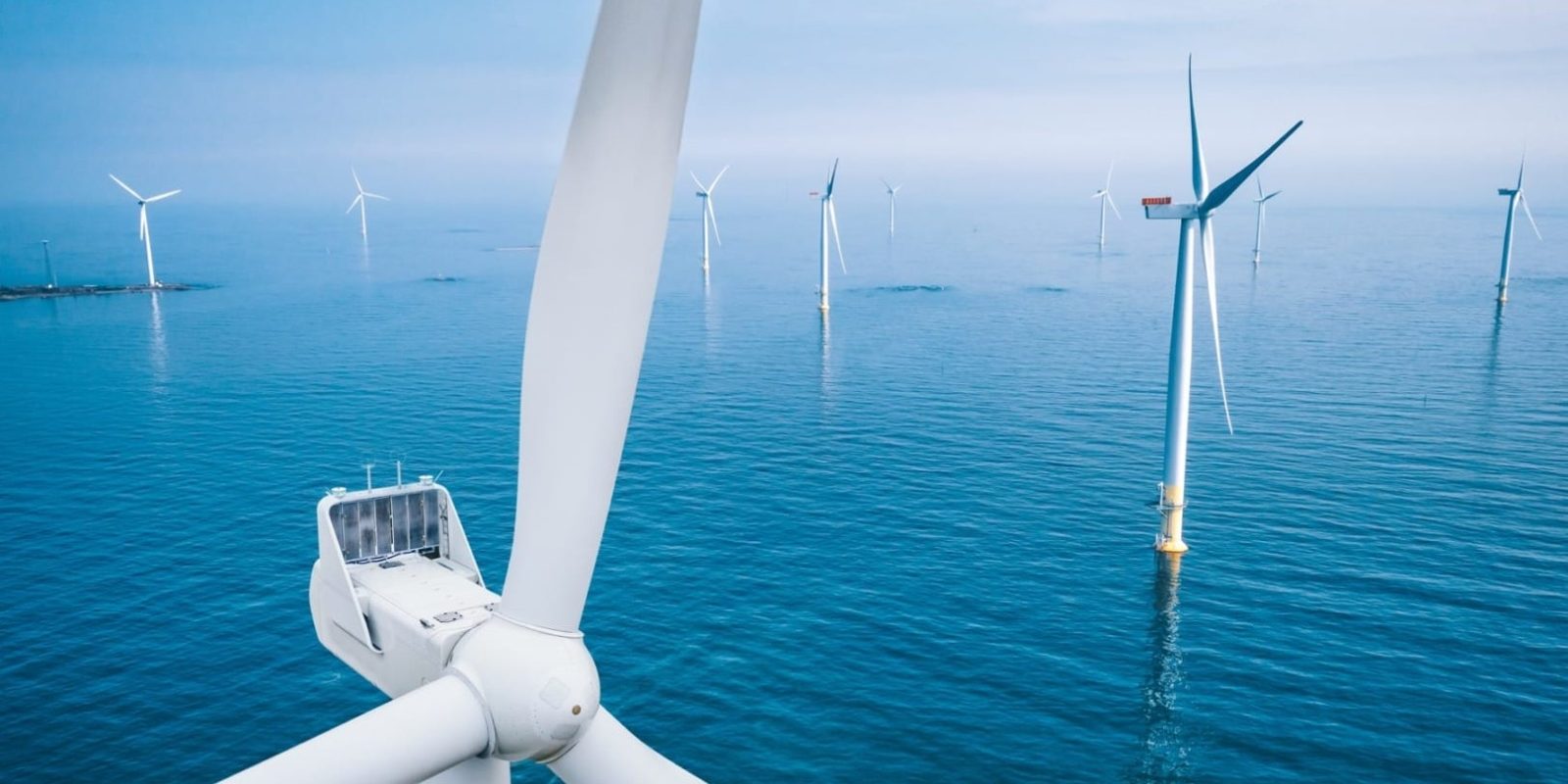
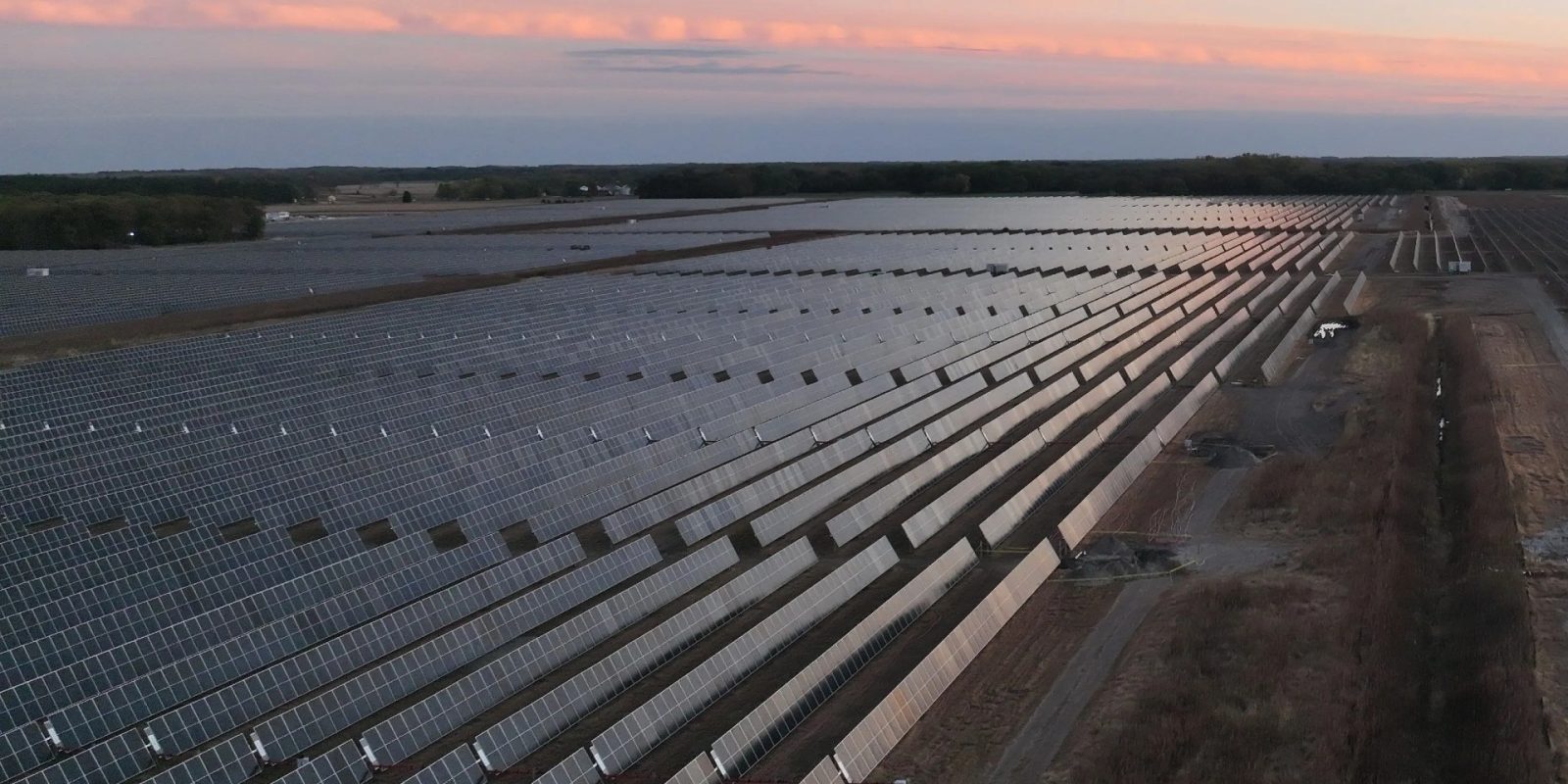
- Utility-scale solar led growth at +21.3% year-over-year in the first four months of 2026, followed by hydropower (+15.7%), small-scale solar (+11.9%), and wind (+3.4%), while coal output fell 11.6% and natural gas grew 2.8%.
- Utility-scale solar surpassed wind in installed capacity for the first time in April 2026, reaching 160,208.1 MW versus wind's 160,100.6 MW.
- Battery storage capacity surged 58.1% (+17,703.5 MW) over the past year, and EIA projects it will grow another 47% by May 2027.
- EIA projects renewables will add 55,980.3 MW of capacity in the next 12 months — 67.6% more than the prior 12 months — and that total renewable capacity (~537,607 MW) could surpass natural gas (~515,745 MW) by May 1, 2027.
- SUN DAY Campaign executive director Ken Bossong said the 'steadily accelerating march of solar, wind, and battery storage continues,' adding that Trump 'is having no more success in stopping the growth of renewable energy sources than he is having in repairing the Lincoln Memorial Reflecting Pool.'
Why it matters: EIA's own projections show renewables overtaking natural gas in total installed US generating capacity by May 2027 if small-scale solar continues its recent ~6,000 MW annual additions — a milestone that would mark the first time since the shale-gas era that a non-fossil source leads US power capacity.
Ask SkimNews