Renewables Beat Fossil Fuels 55-to-1 in New US Capacity — SkimNews
Get the Energy newsletter
Daily energy & climate — solar, EVs, oil, the policy fights and tech bets shaping the transition. Free.
- Renewable energy sources supplied 25.1% of US electricity in January 2026—up 11.5% year-over-year—while coal generation fell 12.8% and natural gas fell 3.4% over the same period
- Solar, wind, and battery storage added 55,221.6 MW of new capacity in the 12 months ending January 2026, compared with a net 957.8 MW from fossil fuels and nuclear combined
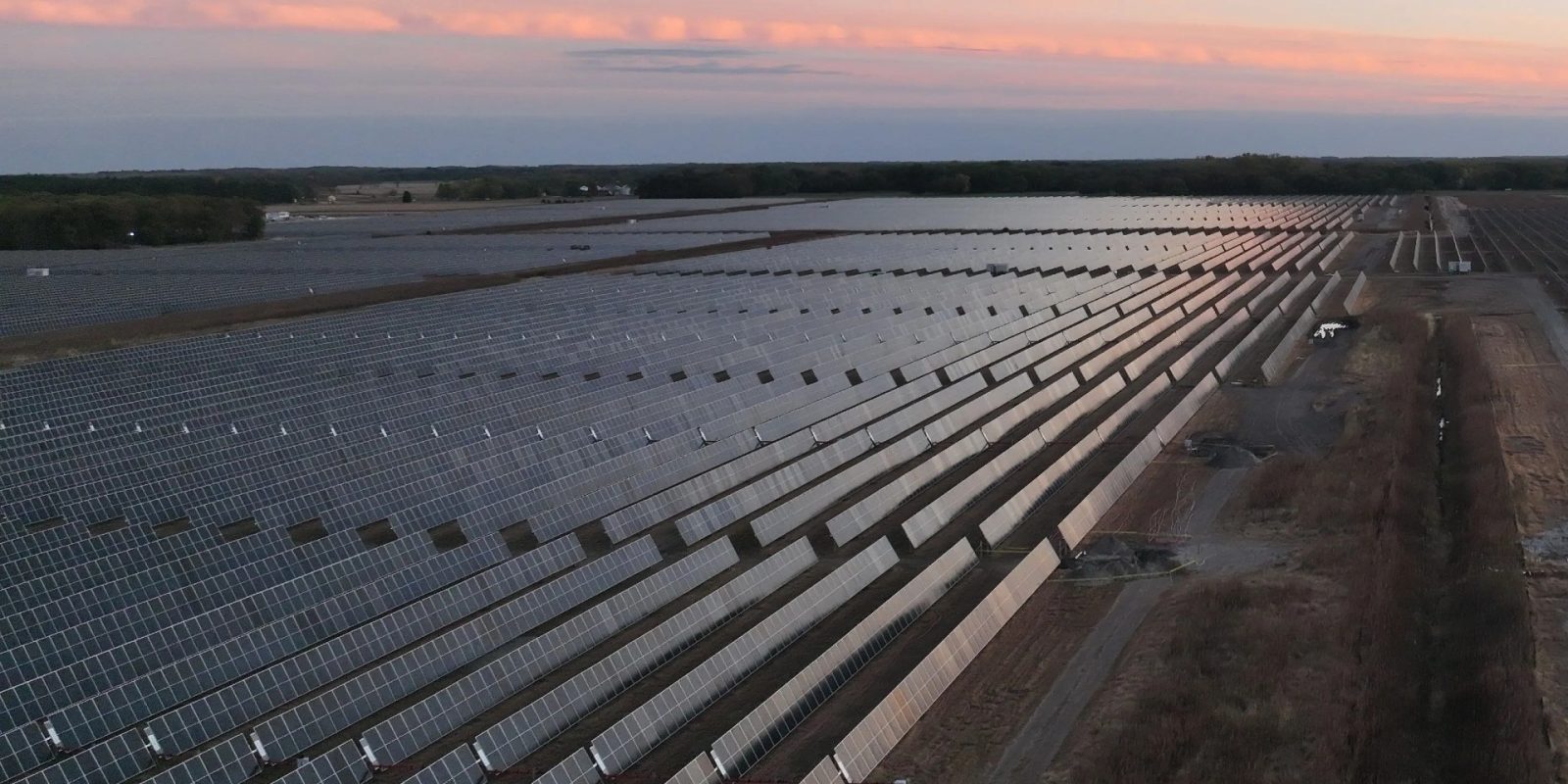
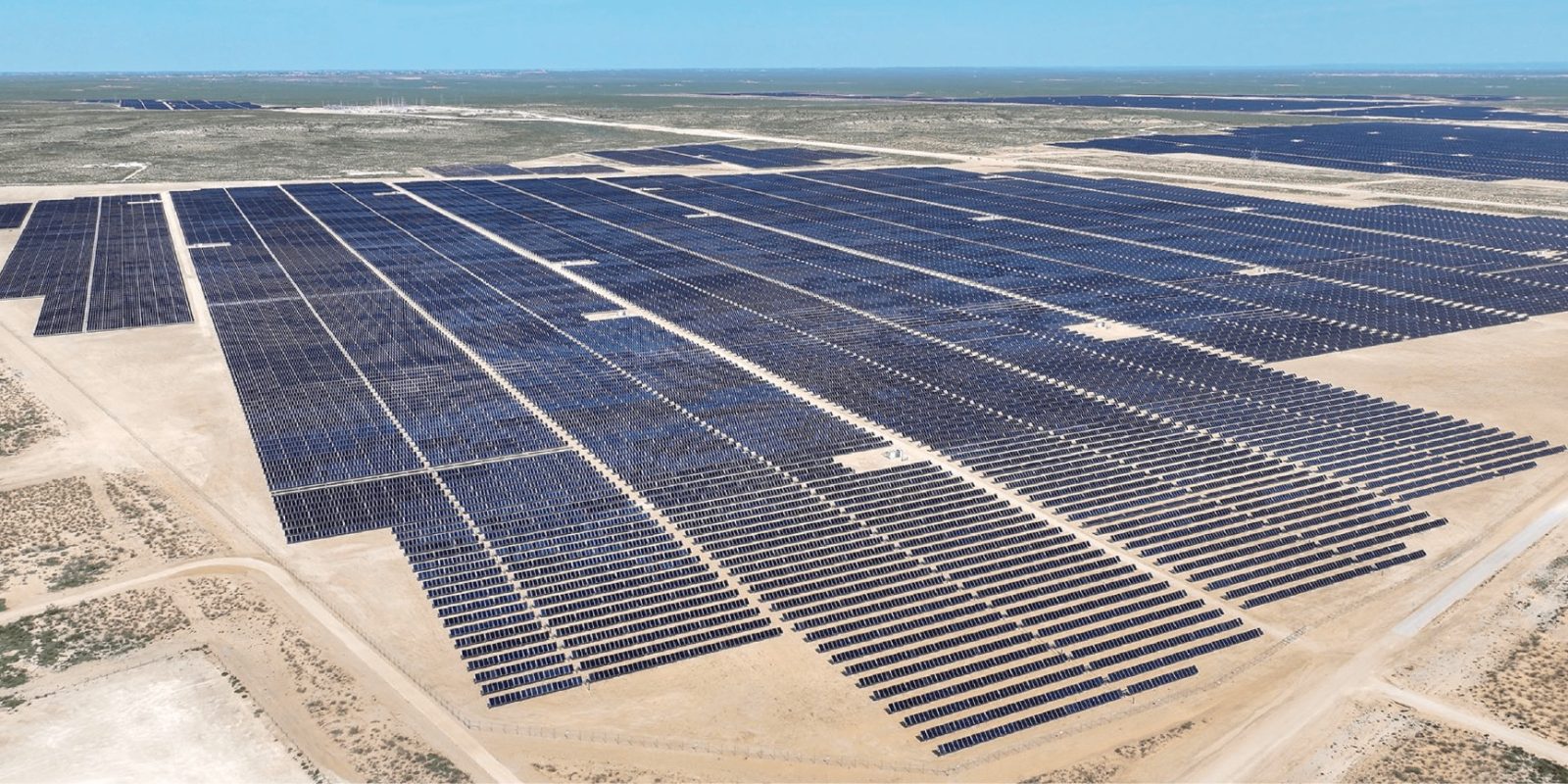
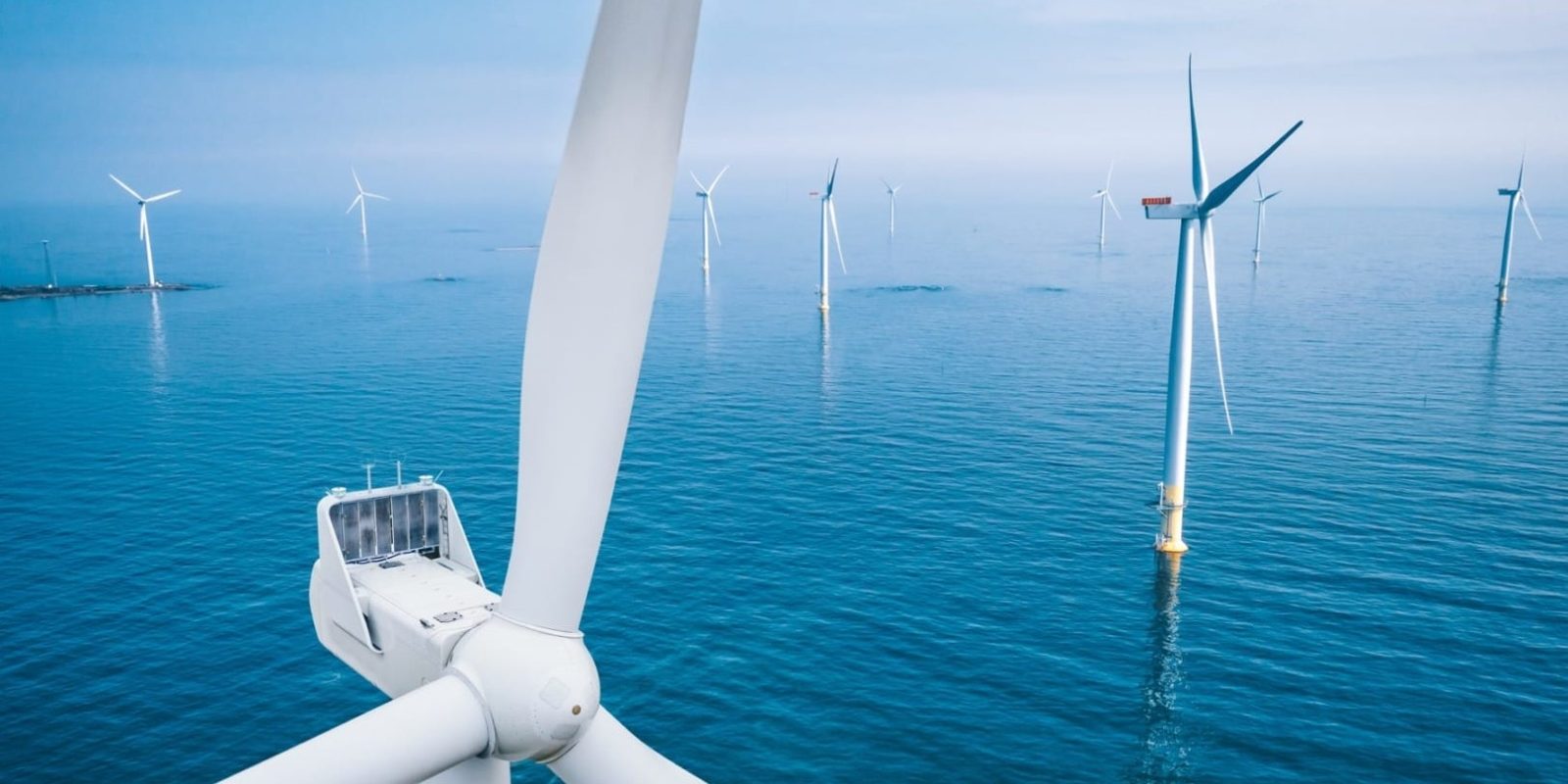
- Utility-scale solar grew by 27,110.9 MW, battery storage expanded by 15,788.8 MW, and wind added 6,016.3 MW, with solar and wind now accounting for 29.24% of total US generating capacity
- EIA's 2026 projections call for 41,552.7 MW of new utility-scale solar, 22,713 MW of battery capacity (a 43.9% increase), and nearly 14,000 MW of wind additions over the next 12 months
- Net fossil fuel capacity is projected to decline by 4,261.3 MW in the coming year, meaning renewables and battery storage will account for 100% of net new utility-scale capacity additions
- SUN DAY Campaign executive director Ken Bossong said the data show the Trump administration 'utterly failed to stop the nation's transition to solar, wind, and battery storage' in its first year
Why it matters: The US power sector is adding clean energy capacity at roughly 58 times the pace of fossil fuels and nuclear combined, and EIA forecasts that gap widens to 100% of all net new utility-scale capacity in the coming year—a $4.3 billion contraction in fossil fuel capacity that signals a structural shift, not a cyclical one, despite federal policy headwinds.
Ask SkimNews