Renewables’ installed capacity to beat natural gas within a year – EIA data — SkimNews
Get the Energy newsletter
Daily energy & climate — solar, EVs, oil, the policy fights and tech bets shaping the transition. Free.
- EIA data reviewed by the SUN DAY Campaign projects renewables and battery storage will add about 82.9 GW of new US generating capacity by June 30, 2027, while total fossil fuel and nuclear capacity declines by nearly 3.1 GW.
- Renewable electricity generation grew 11% in the first half of 2026 versus the same period in 2025, led by utility-scale solar (up 21.6%), small-scale solar (13.0%), hydropower (10.1%), and wind (6.5%), while coal output fell 11.3%.
- Wind and solar combined accounted for 22.3% of US electricity production in H1 2026, and all renewables hit 30.2% — up from 27.8% a year earlier and nearly double the 16.9% share recorded at mid-year 2016.
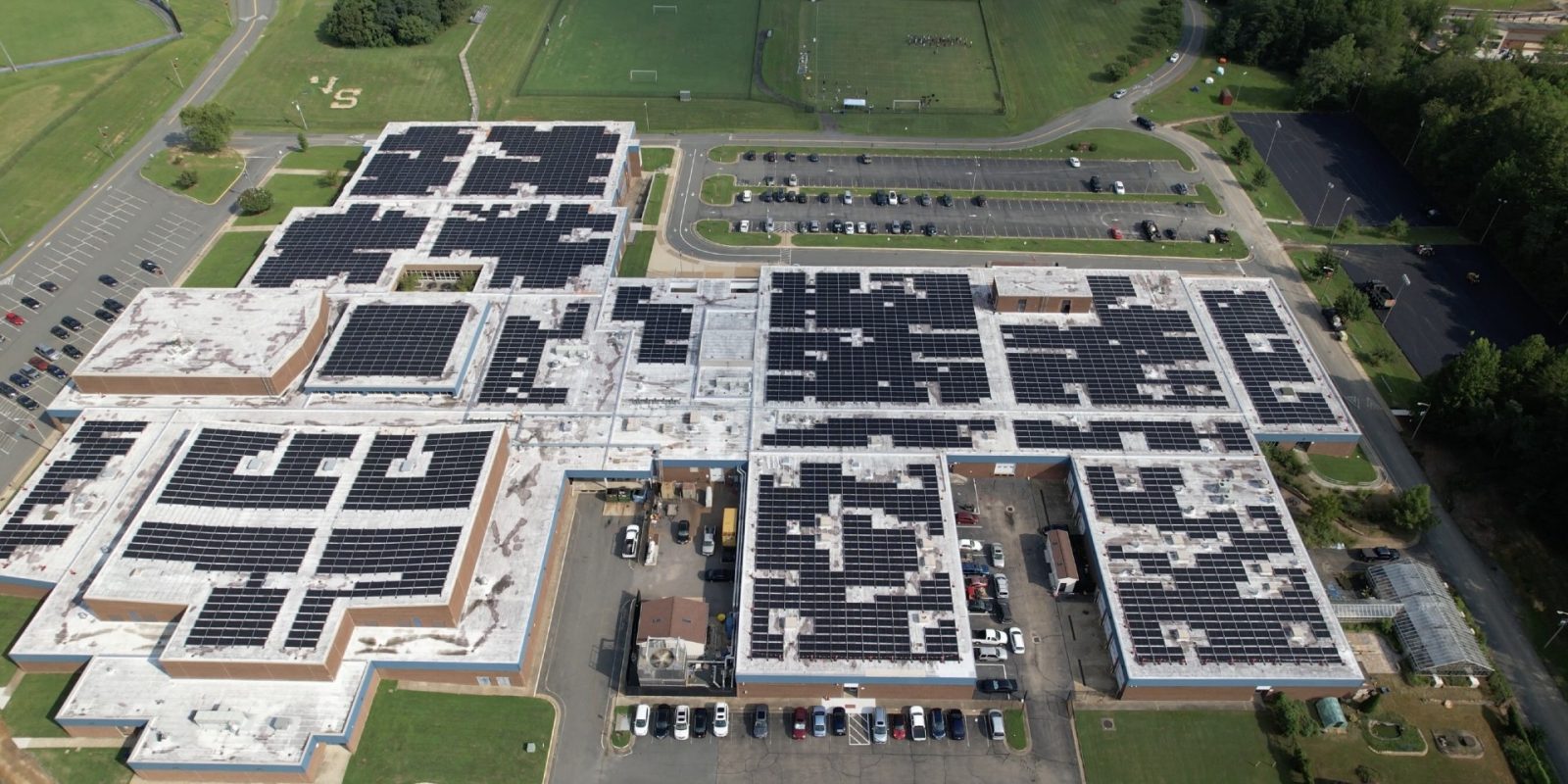
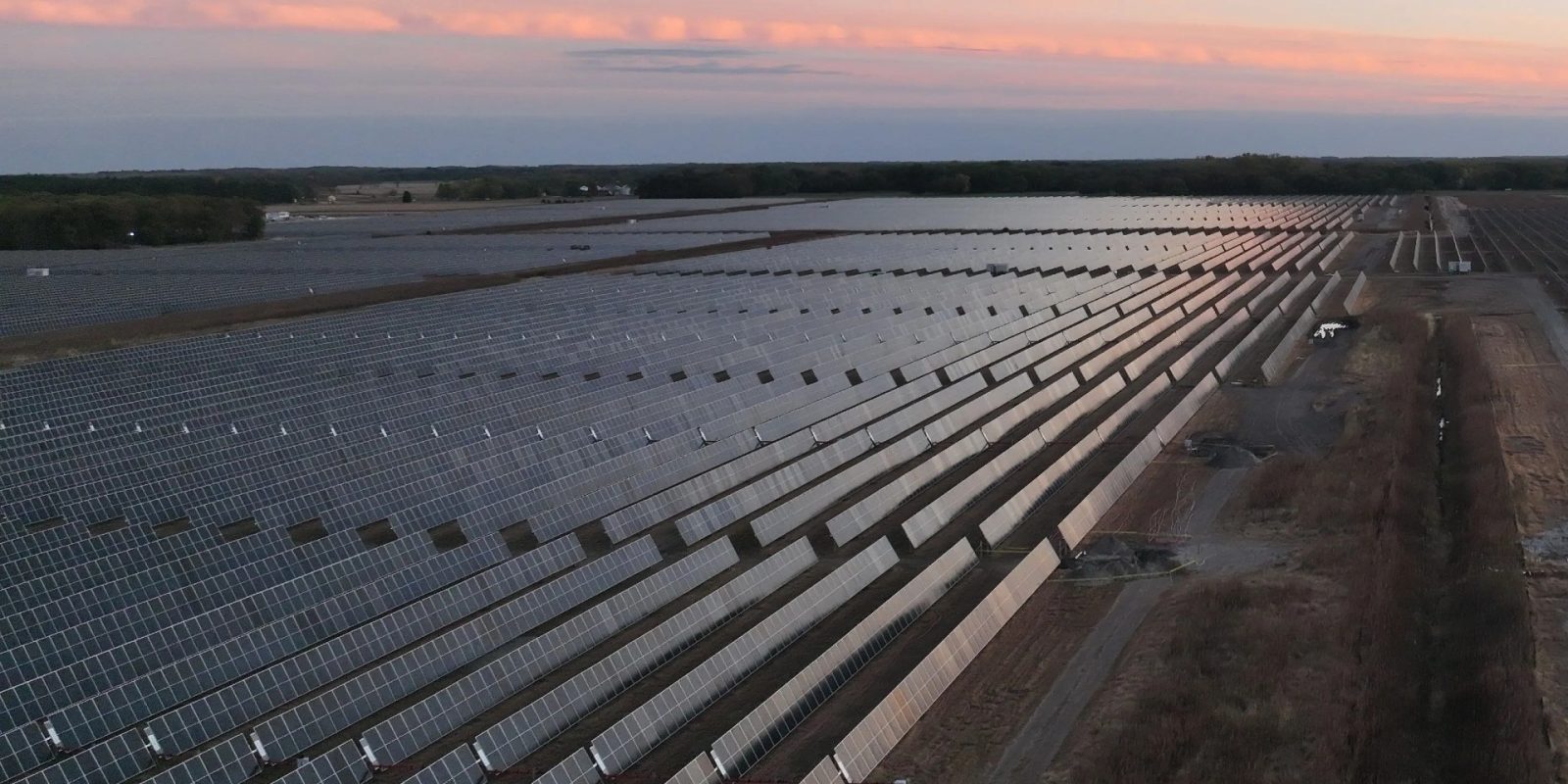
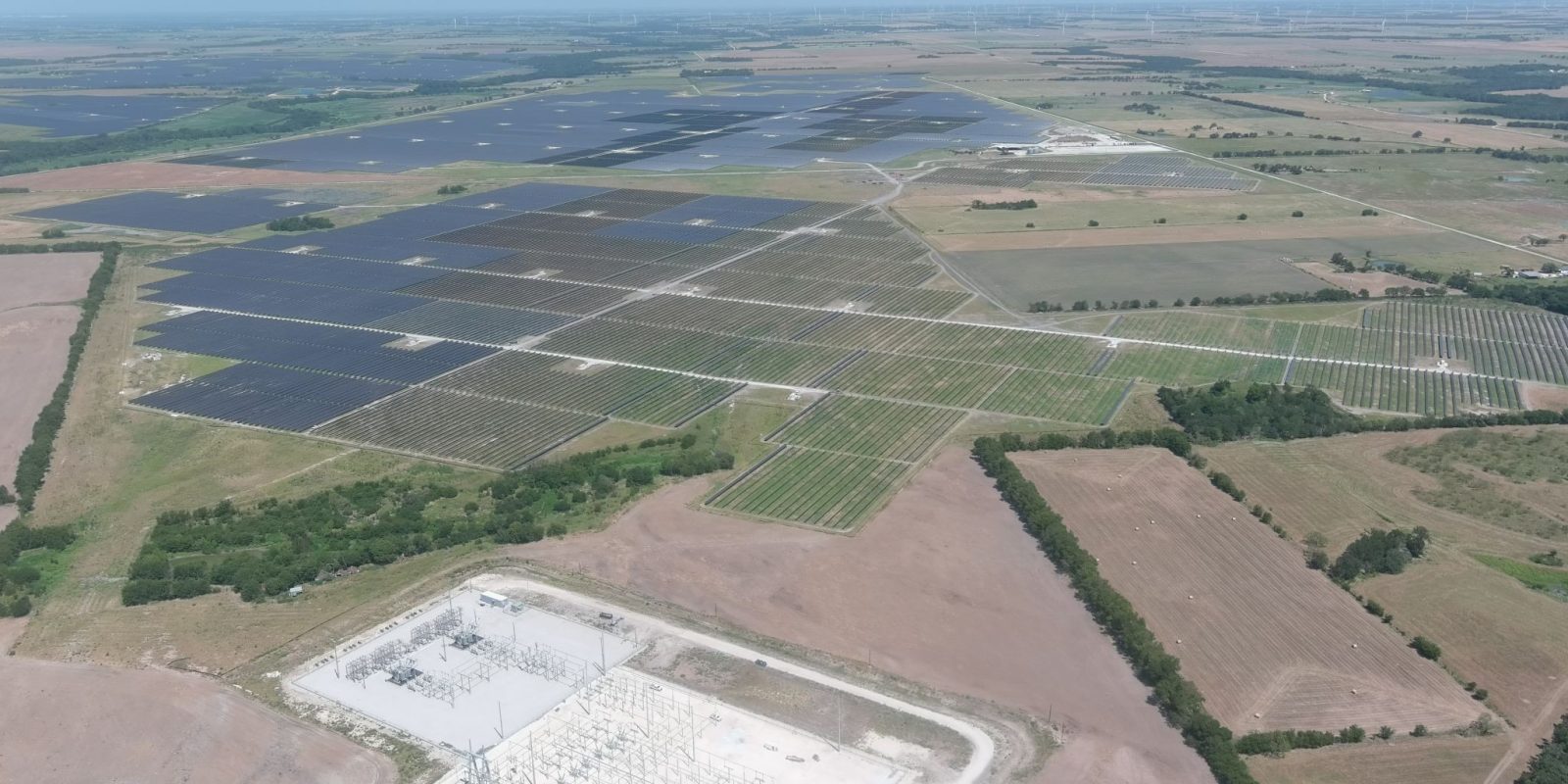
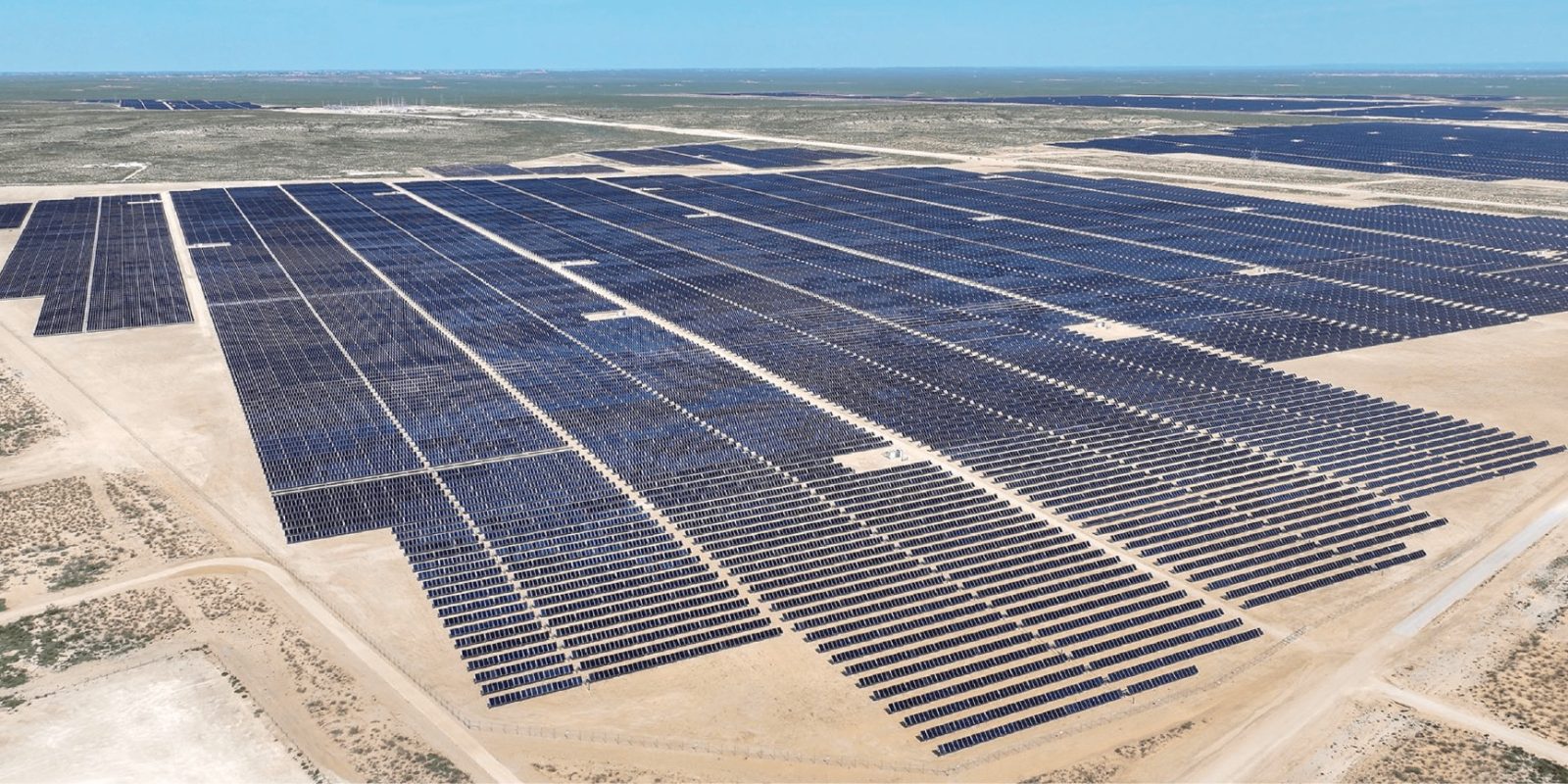
- Utility-scale solar added 28,076.7 MW of capacity between July 2025 and June 2026, and in June 2026 alone solar-generated electricity exceeded the combined output of wind and hydropower to become the leading renewable source for the month.
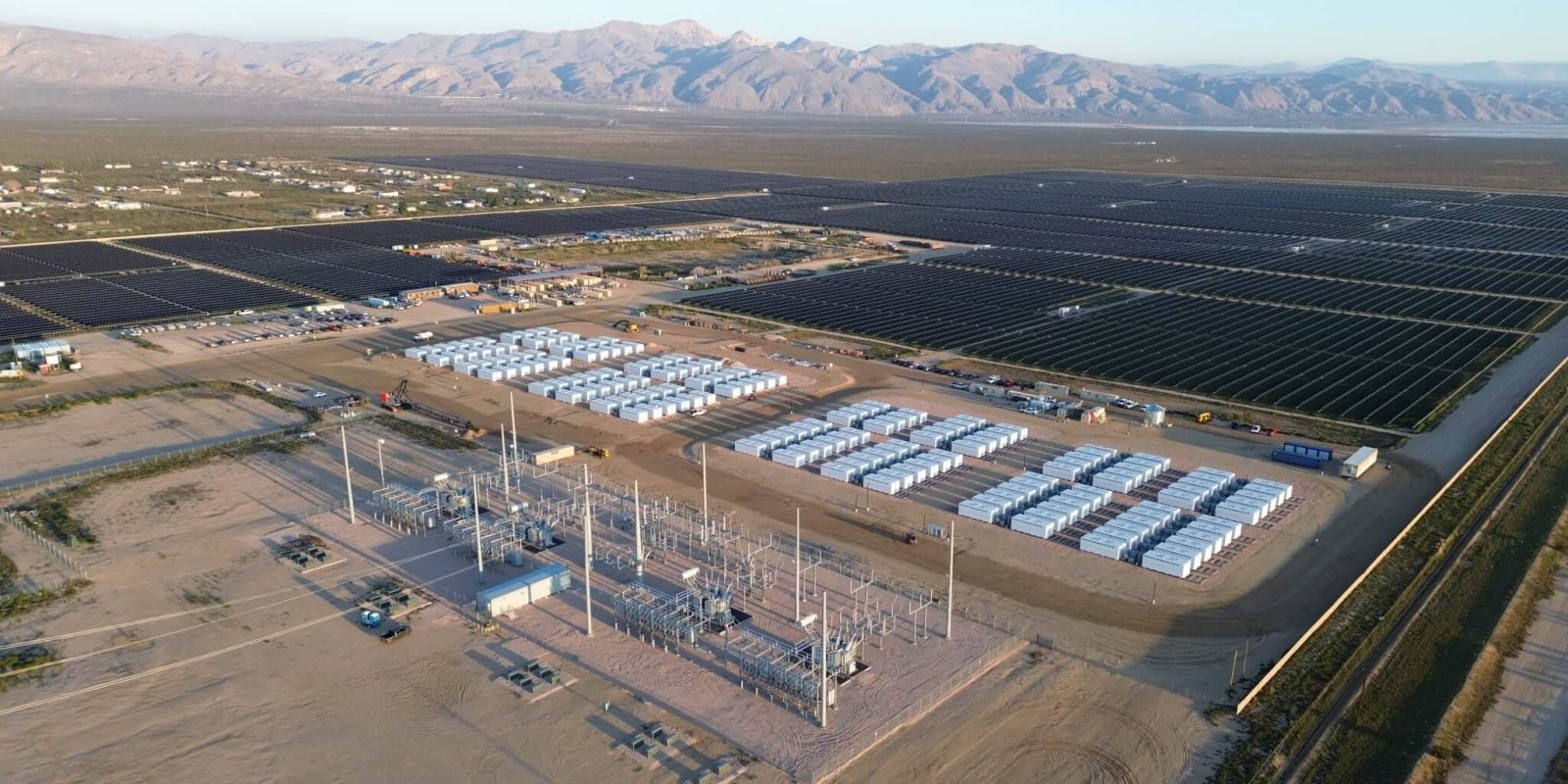
- Battery energy storage is projected to grow 44% by July 1, 2027, adding 22,788.4 MW to reach 74,454.1 MW — a nearly 20-fold increase from the 2,651.5 MW recorded just five years earlier.
- SUN DAY Campaign executive director Ken Bossong said renewables' growth is poised to accelerate further "notwithstanding the roadblocks set up by the Trump administration," noting decade-long records for solar and wind.
Why it matters: Renewables are projected to reach ~546 GW of installed capacity versus natural gas's ~518 GW by mid-2027, with gas output rising just 1.8% in H1 2026 — well below renewables' 11% — making gas the slowest-growing incumbent source at scale for the first time.
Ask SkimNews