California solar is crushing natural gas this year — SkimNews
SkimNews Take
California's solar fleet crossed a threshold in a single year, suggesting new capacity additions are producing a step-change rather than gradual displacement — which means gas plants now face compressed operating windows concentrated in evening and morning ramps, not just reduced total output.
Get the Energy newsletter
Daily energy & climate — solar, EVs, oil, the policy fights and tech bets shaping the transition. Free.
- CAISO utility-scale solar outproduced natural gas on 82% of days between January and May 2026, up from 21% of days during the same period in 2024 and 2025, per new EIA data.
- CAISO's solar generation rose 21% in the first five months of 2026 versus the same period in 2024, while natural gas generation plunged 60%.
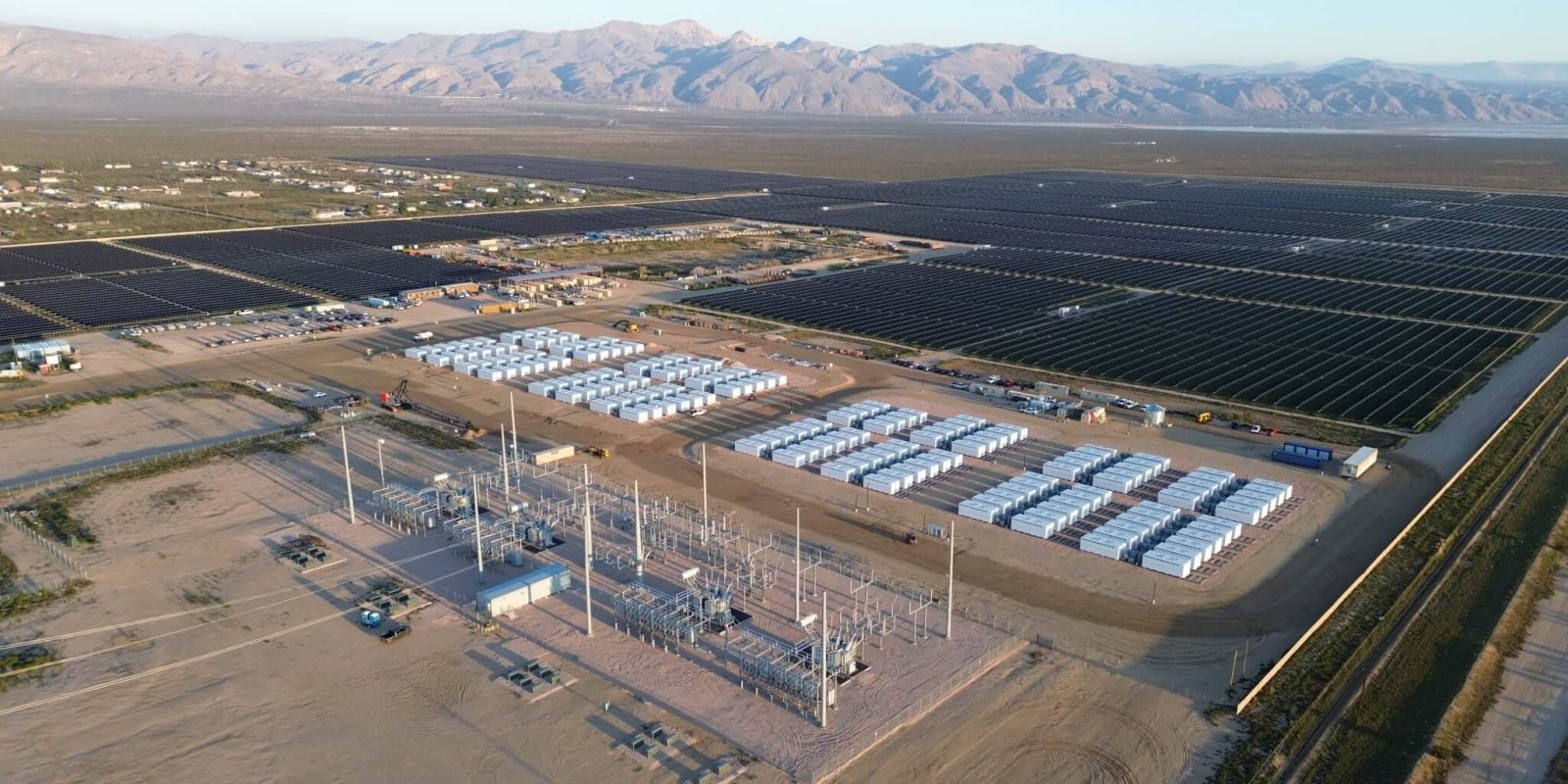
- CAISO's battery storage capacity surged 79% to 16 GW between April 2024 and April 2026, while utility-scale solar capacity grew 19% to 25 GW; natural gas capacity held flat at 29 GW.
- CAISO battery discharges during the first five months of 2026 were three times higher than the same period in 2024, shifting midday solar into evening and early morning hours.
- CAISO electricity imports from neighboring regions doubled over the two-year period, boosted by Pacific Northwest hydropower as drought eased and by the start of imports from the SunZia wind project in New Mexico in April — pushing in-state net generation down 19% even as demand rose 7%.
- CAISO retired 555 MW of generating capacity between May 2024 and May 2025, including a 300 MW battery storage facility lost to a fire in January 2025.
Why it matters: With gas capacity flat at 29 GW, the addition of 4 GW of solar and 7 GW of battery storage in two years flipped a gas-dominated grid to a solar-dominated one on 82% of days — and California is now leaning on cheap imports from New Mexico's SunZia wind project and Pacific Northwest hydro to cover the 19% drop in in-state net generation.
Ask SkimNews