Black Poplar Revival Begins in North Yorkshire — SkimNews
Get the Energy newsletter
Daily energy & climate — solar, EVs, oil, the policy fights and tech bets shaping the transition. Free.
- The Howardian Hills Partnership and North York Moors National Park have launched a revival effort under the Forgotten Flora project, with only about 7,000 black poplar trees remaining across the UK and Ireland
- Project leader Ambrose Greenfield warned that natural reproduction is severely limited because only around 600 of the 7,000 surviving trees are female and the rest are male
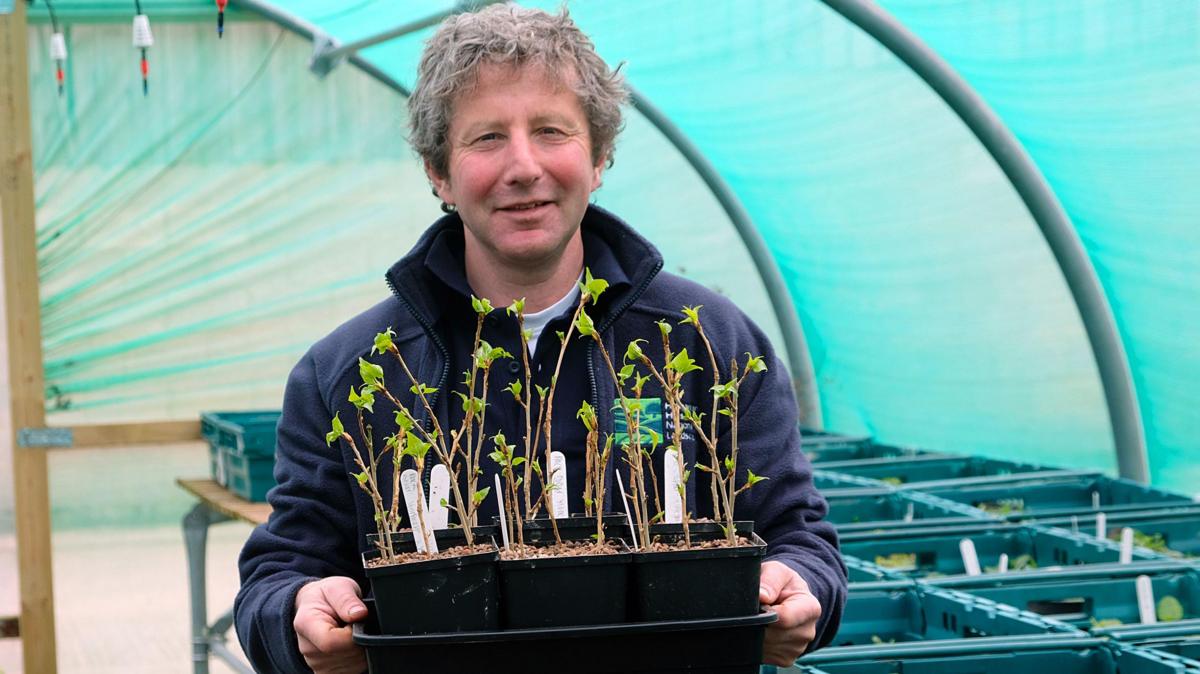
- Saplings propagated from cuttings taken from two mature trees in the Howardian Hills — one of which is female — are being nurtured in Terrington, near Malton, before planting within the next two years
- Natural black poplar reproduction requires male and female trees to grow close together, with fertilised seeds taking root only in damp ground such as wetlands
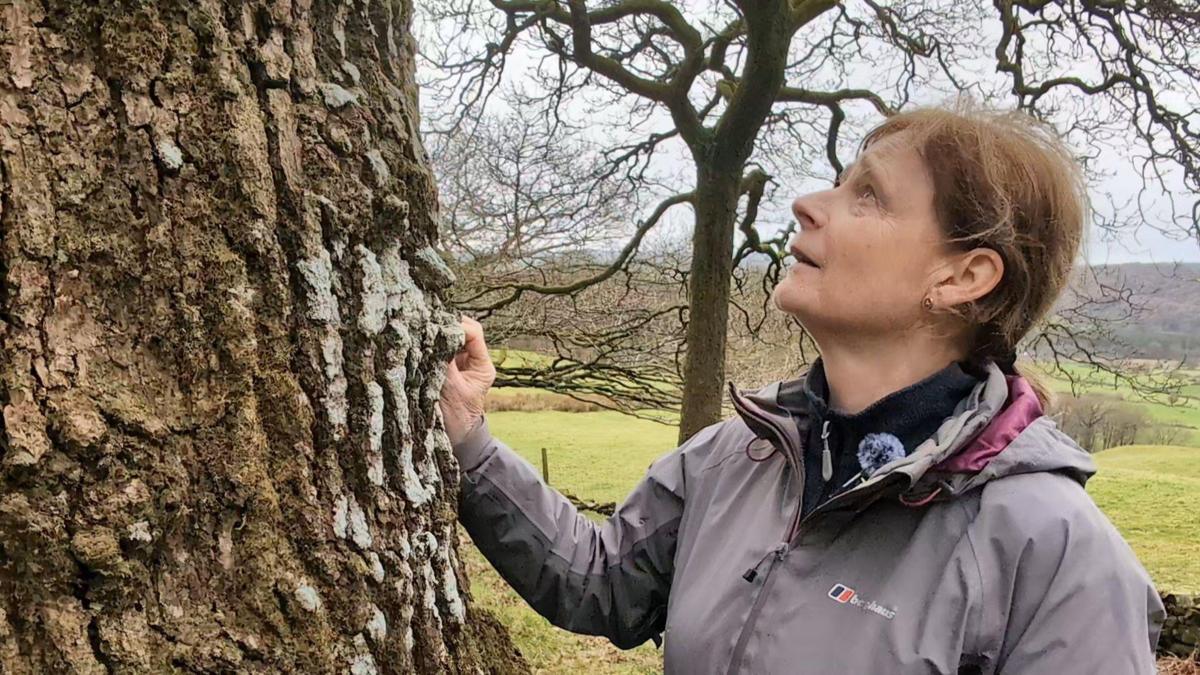
- Black poplar wood was historically prized for floorboards, cart wheels, and wagon bottoms because it is naturally springy, and mature trees can be identified by deeply fissured bark, triangular leaves, and a characteristic lean
- The Forgotten Flora project, launched three years ago to revive threatened plants across North Yorkshire, has previously led to the planting of thousands of lesser-known wildflower species
Why it matters: With roughly 600 female black poplars left out of 7,000 total trees, the species sits on the edge of reproductive collapse. The partnership's strategy of taking cuttings from one of the only two known mature trees in the Howardian Hills — including a female — directly tackles that gender imbalance, banking genetic material before any further losses occur.
Ask SkimNews