ICC Pink Ball Rule Unused as Bad Light Halts Durban Test — SkimNews

Get the Sports newsletter
Daily sports — scores, transfers, the storylines from the leagues you actually follow. Free.
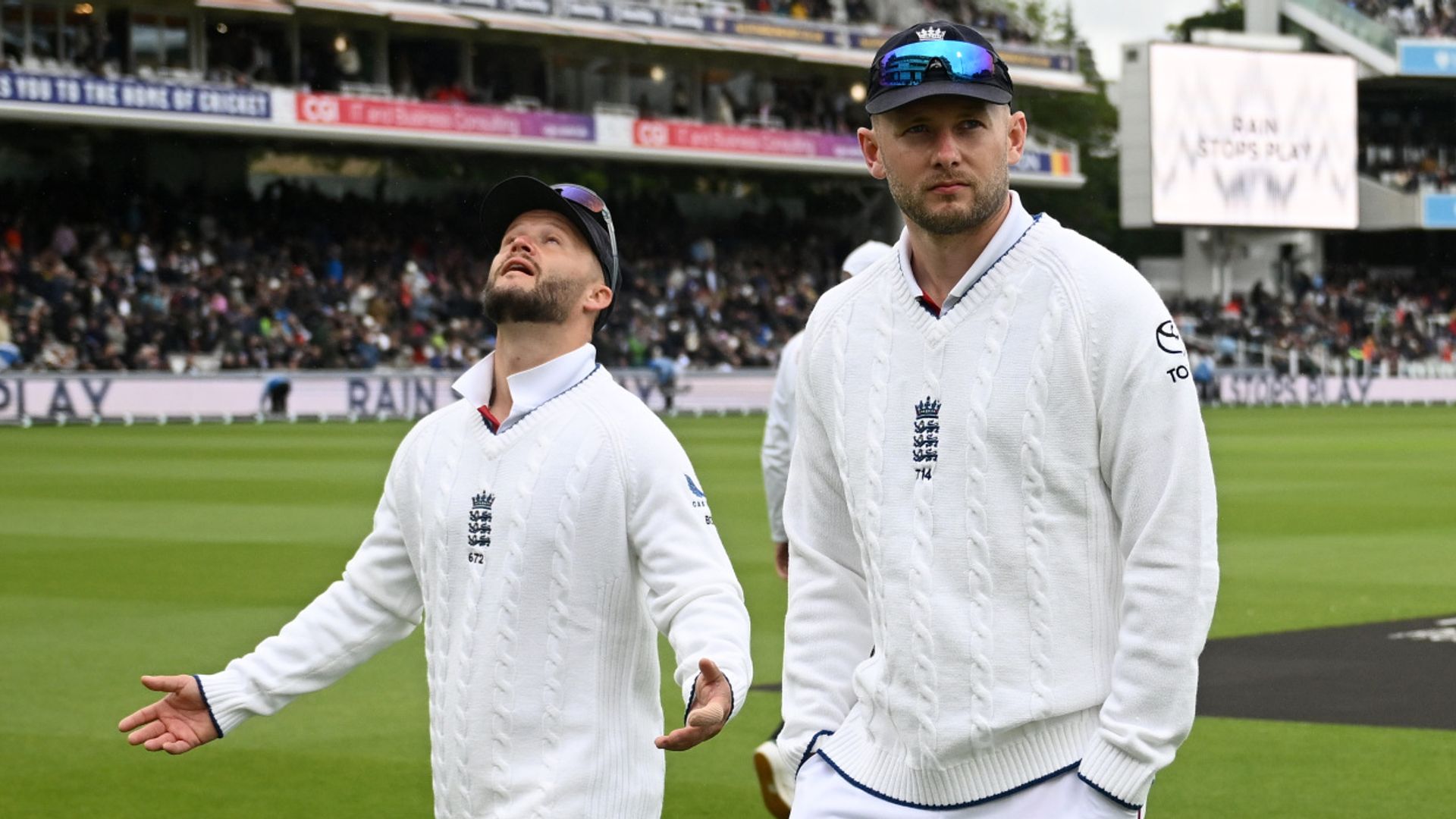
- Bad light halted more than 60 overs across the first three days of the South Africa-Australia Test in Durban, with play ending at 15:23, 16:25, and 16:31 local time respectively after afternoon sea-breeze clouds thickened.
- The ICC amended its playing conditions last week to permit pink ball use in Tests, but the rule only allows teams to agree before the match to use a pink ball throughout — not to switch from red mid-innings.
- South Africa and Australia did not hold pre-match discussions about using the pink ball in Durban, leaving the newly minted option untouched.
- Former South Africa bowler Shaun Pollock, who sat on the ICC committee recommending the change, said a pink ball would have delivered roughly 45 more overs of Test cricket and dismissed the 'stigma' that the ball behaves poorly.
- Australia have contested 15 of Test cricket's day-night matches — 10 more than any other nation — and left-armer Mitchell Starc leads the format with 89 wickets in those games.
- Former South Africa bowler Vernon Philander urged the ICC to let umpires mandate a switch to pink ball once light fades, rather than leaving the decision to players who fear giving up an advantage.
Why it matters: The ICC's new tool for rescuing lost overs is structurally hobbled: it requires both sides to volunteer before play begins, yet Australia's record pink-ball haul — Starc's 89 wickets in 15 day-night Tests, more than any nation — gives opponents a clear competitive reason to refuse. Until the ICC shifts the call to officials, the bad-light stoppage problem persists unchanged.
Ask SkimNews