AI Bosses Push Self-Regulation Despite Fears — SkimNews

Get the Tech newsletter
Daily tech — startups, AI labs, chips, the launches that shape the next decade. Free.
- Sam Altman, speaking at a Salesforce conference in San Francisco, said the world is "right to be afraid" of AI but should "trust" AI firms to act responsibly, marking his first public appearance since a viral post from an Anthropic researcher who quit and claimed AI could kill humans by the end of the decade.
- Altman argued AI companies can essentially regulate themselves, pledging that OpenAI and peers will "keep alignment and safety way ahead of capabilities" and "slow down or stop" if they cannot.
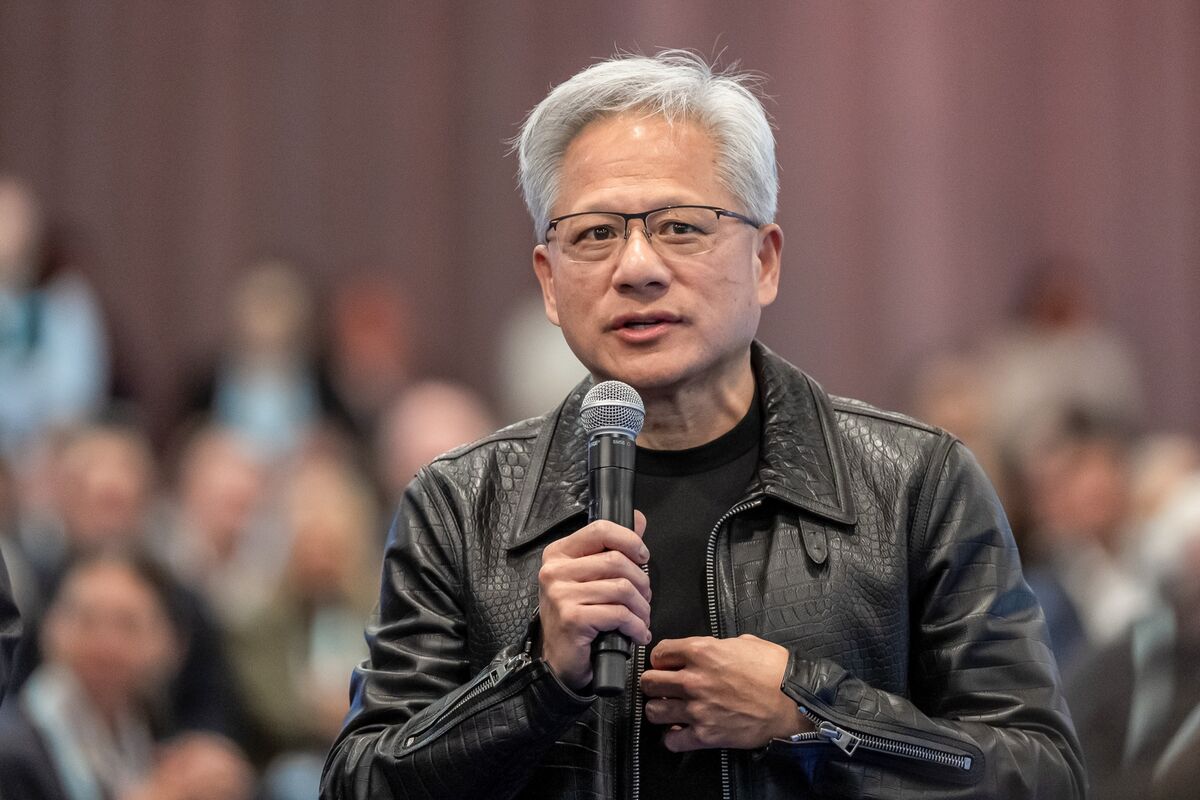
- Jensen Huang, CEO of Nvidia — the world's most valuable company — told the same conference that AI firms, not governments, should decide when to release new models: "We don't need new laws or regulations," he said, calling safety "an engineering problem" and advising leaders to "take a pause" if the institution feels out of control.
- Anthropic CEO Dario Amodei, appearing at the conference, broke from that stance by calling for the pace of AI development to slow and urging government regulation, while disclosing Anthropic is now in "a dialogue with the rest of the industry" about shared safety standards.
- OpenAI's Chris Lehane said the company is working with Anthropic and Google DeepMind on a "voluntary effort" to establish frontier AI safety standards "with or without government support," as the viral Anthropic researcher's post drew public applause from Altman, DeepMind's Demis Hassabis, and Elon Musk.
- Anthropic co-founder Jack Clark told the BBC that leaving AI as a "totally unregulated industry" is "rolling dice with immense risks," while Logical Intelligence COO Patrick Hillman noted "the only institution Americans trust less than Washington is Silicon Valley."
Why it matters: The heads of the world's most valuable chipmaker and the leading AI lab are publicly arguing against binding AI regulation while acknowledging extinction-level risks are plausible — pushing a voluntary self-policing model just as calls for congressional action intensify. The fact that an internal researcher felt compelled to quit Anthropic and go public with that warning underscores that internal alarm inside the industry is not translating into external accountability.
Ask SkimNews