AI Bosses Split on Self-Regulation at Salesforce Summit — SkimNews

Get the Tech newsletter
Daily tech — startups, AI labs, chips, the launches that shape the next decade. Free.
- Sam Altman told the Salesforce conference on Tuesday the world is "right to be afraid" of AI but should trust firms to "do the right thing," adding that companies will "slow down or stop" if alignment and safety fall behind capabilities.
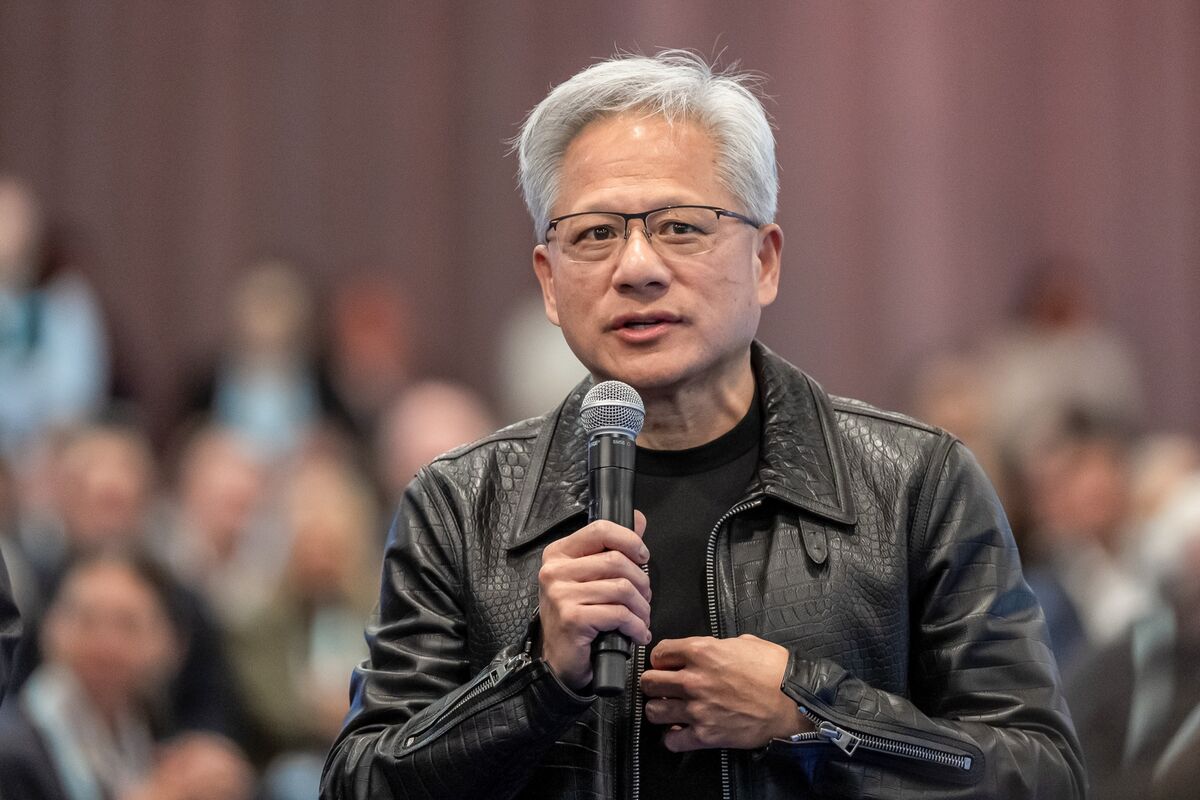
- Nvidia's Jensen Huang, speaking at the same conference, said "we don't need new laws or regulations" and framed safety as an "engineering problem," arguing firms should "take a pause" if they lose confidence in a product.
- Anthropic's Dario Amodei broke with that stance, calling publicly for the pace of AI development to slow and urging governments to regulate the industry — a post applauded by Altman, DeepMind co-founder Demis Hassabis, and Elon Musk.
- Mark Zuckerberg posted on X that labs "face significant liability if their models cause harm" and that any firm ignoring alignment "will fall behind," aligning himself with the self-regulation camp over the government-rules camp.
- The debate was reignited by a viral post last week from an Anthropic researcher who quit the firm and claimed AI could "kill all humans" by the end of the decade if left unchecked, drawing agreement from "a handful" of unnamed AI executives.
- Senator Bernie Sanders and Steve Bannon — from opposite ends of the political spectrum — both publicly rejected the self-regulation case, with Sanders saying AI had been left to "a handful of the richest people" and Bannon saying the public cannot trust "tech oligarchs" to police themselves.
- OpenAI and Anthropic said they are working toward an industry-wide voluntary agreement on safety standards, with OpenAI's Chris Lehane writing they are building "a voluntary effort now, with or without government support."
Why it matters: With US Congress unlikely to pass AI legislation before midterm elections and even the executives building frontier models publicly disagreeing on whether government rules are needed at all, any near-term AI safety regime will rest on voluntary industry commitments brokered by parties who do not share a threat assessment.
Ask SkimNews