Iran, US set new conditions during Hormuz talks: What does this mean? — SkimNews

Get the Geopolitics newsletter
Daily geopolitics — wars, elections, sanctions, the diplomatic moves that move markets. Free.
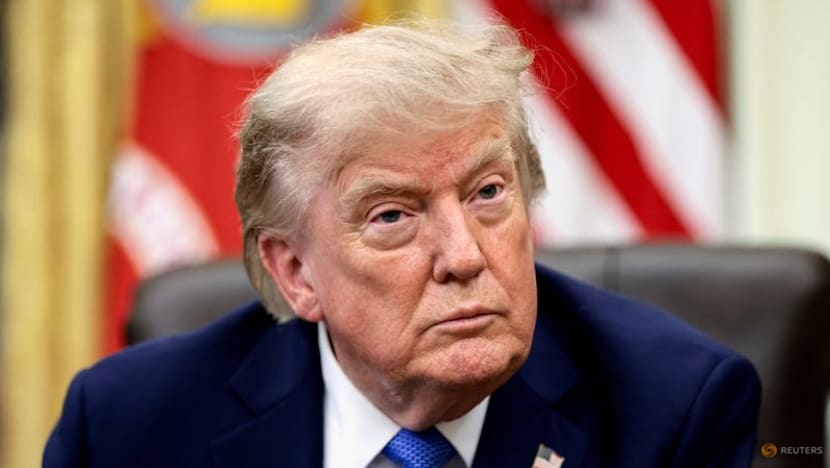
- Trump demanded Iran pay compensation for deaths and injuries over a 50-year period, citing the 17 US sailors killed in the 2000 USS Cole attack and Iranian protesters killed during January unrest, while also demanding compensation for victims in Lebanon, Syria, Yemen, and Gaza.
- Iran's Supreme National Security Council announced six conditions for reopening the strait: an end to US threats and insults, a permanent end to attacks on Iran and its regional allies, lifting the US naval blockade and withdrawal of forces, compensation for two "imposed wars" (the February 28 war and the June 2025 12-day war), lifting of sanctions, and unconditional release of frozen assets.
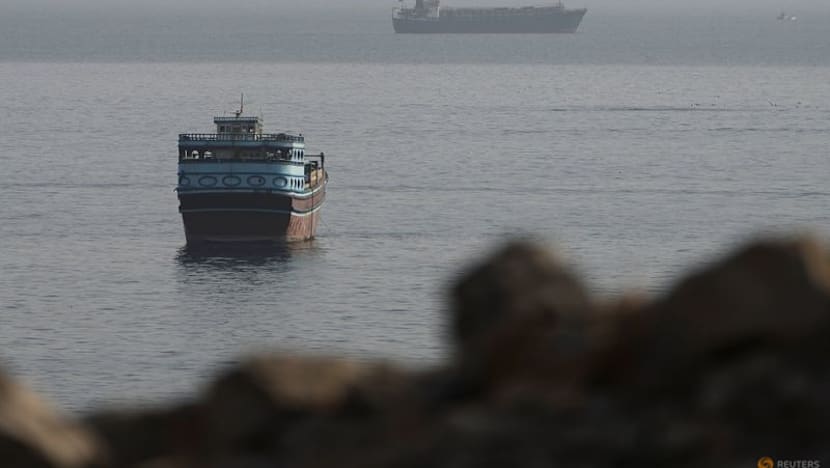
- Iran says negotiations with Oman over new shipping lanes in the strait are in their "final stages," though Foreign Minister Abbas Araghchi reiterated Tehran is not in direct talks with the US, communicating only through intermediaries.
- Oil prices jumped more than 5% on Monday after Trump's new demands and rose again on Tuesday as hopes for a deal faded.
- VP JD Vance publicly contradicted Trump's escalatory rhetoric, telling reporters Saturday he was confident about reaching a deal and that Iran had told the US it has "no plans" to impose tolls on the strait.
- Analyst Negar Mortazavi of the Centre for International Policy said both sides are putting forward "maximalist demands" and warned Trump's compensation demands over past events could make a deal "extremely difficult for Tehran to accept," noting Iran has lost trust after the US launched attacks three times during prior talks.
- Tehran-based analyst Hossein Royvaran framed the standoff as a test of endurance, noting America is already suffering from rising petrol prices and inflation while Iran can frame the war as "imposed" and defensible domestically.
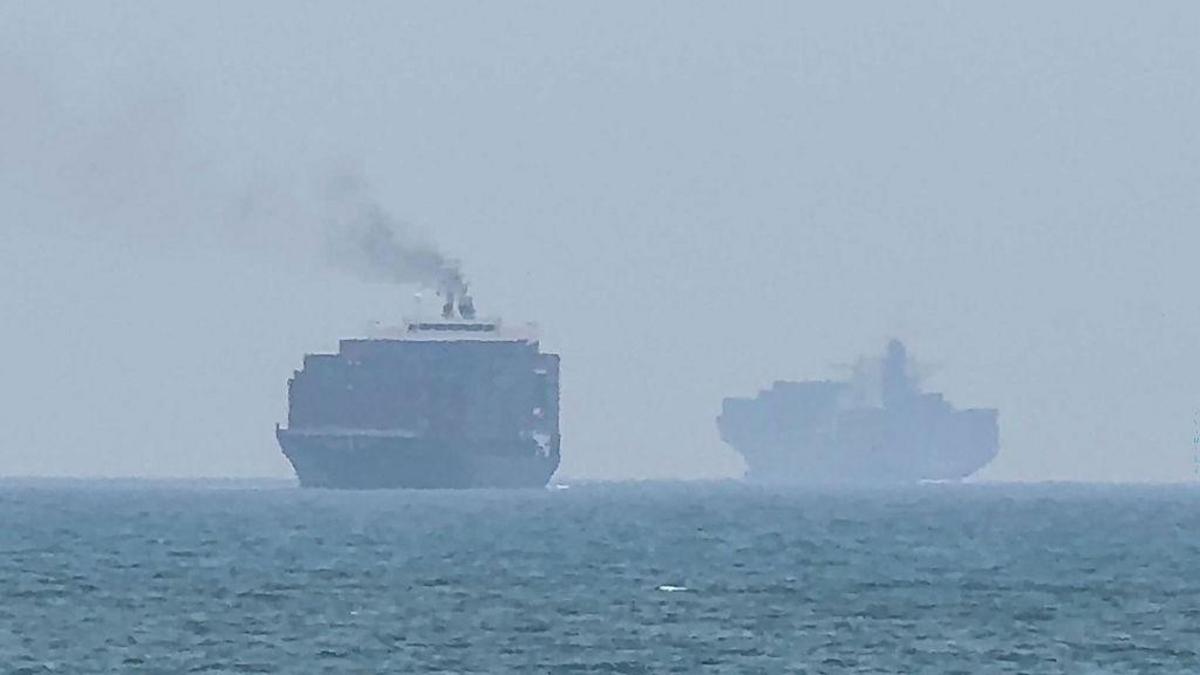
Why it matters: With one-fifth of the world's oil and LNG previously transiting the strait before Iran essentially closed it in late February, the hardening of both sides' positions — combined with Trump's compensation demands that go beyond the current conflict — means the war's economic drag (oil up 5%+, domestic inflation pressure already noted inside the US) continues with no clear offramp until the strait issue is resolved.
Ask SkimNews