Japan deep-sea rare-earth test targets China reliance — SkimNews
Get the Geopolitics newsletter
Daily geopolitics — wars, elections, sanctions, the diplomatic moves that move markets. Free.
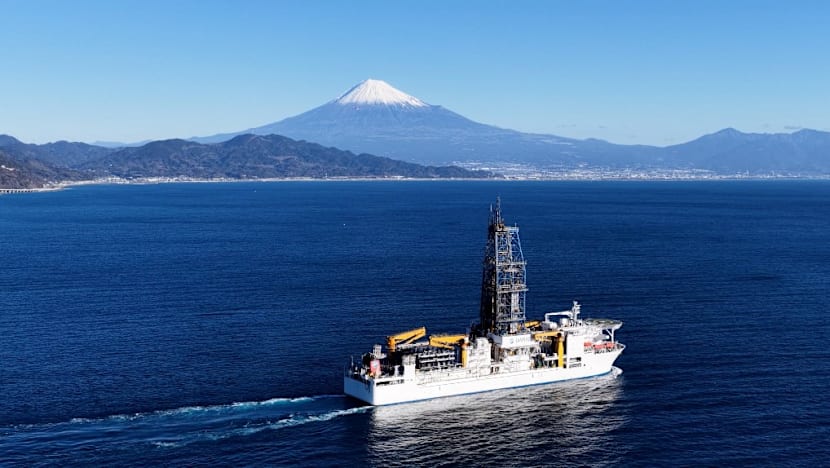
- Japan plans full-scale rare-earth mining tests in February near Minami Torishima, a remote Pacific island 2,000km from Tokyo, after a deep-sea drilling ship recovered samples from approximately 6km depth containing traces of yttrium.
- JAMSTEC confirmed that gadolinium and dysprosium were also detected in the 50 tonnes of seabed material recovered, with previous studies suggesting the surrounding seabed could hold millions of tonnes of rare earths—potentially supplying some minerals for hundreds of years.
- Prime Minister Sanae Takaichi said on X that yttrium is critical for coating agents in semiconductor manufacturing equipment and catalysts that purify exhaust gases, and pledged 'full involvement of both government and private sectors' to avoid over-dependence on specific countries.
- China accounts for almost two-thirds of global rare-earth mining production and 92% of refined output (per IEA), and a diplomatic spat triggered by Takaichi's November comments about Taiwan has already prompted Beijing to heavily restrict supplies to Japan.
- Environmental campaigners warn deep-sea mining threatens marine ecosystems—an angle conspicuously absent from the government's announcement of the February test.
- In March, officials also flagged Minami Torishima—the uninhabited atoll set to host the mining tests—as a possible site for nuclear waste storage, a secondary use not connected to the rare-earth program.
Why it matters: China's 92% grip on global refined rare-earth output gives it a proven willingness to weaponize supply, as it already has against Japan since November. The Minami Torishima samples contain yttrium, gadolinium, and dysprosium—all vital to semiconductors and defense—and prior studies suggest the seabed could supply some minerals for hundreds of years if extraction at 6km depth proves commercially viable.
Ask SkimNews