Trump's Iran blockade lifts oil prices above war levels — SkimNews
Get the Geopolitics newsletter
Daily geopolitics — wars, elections, sanctions, the diplomatic moves that move markets. Free.
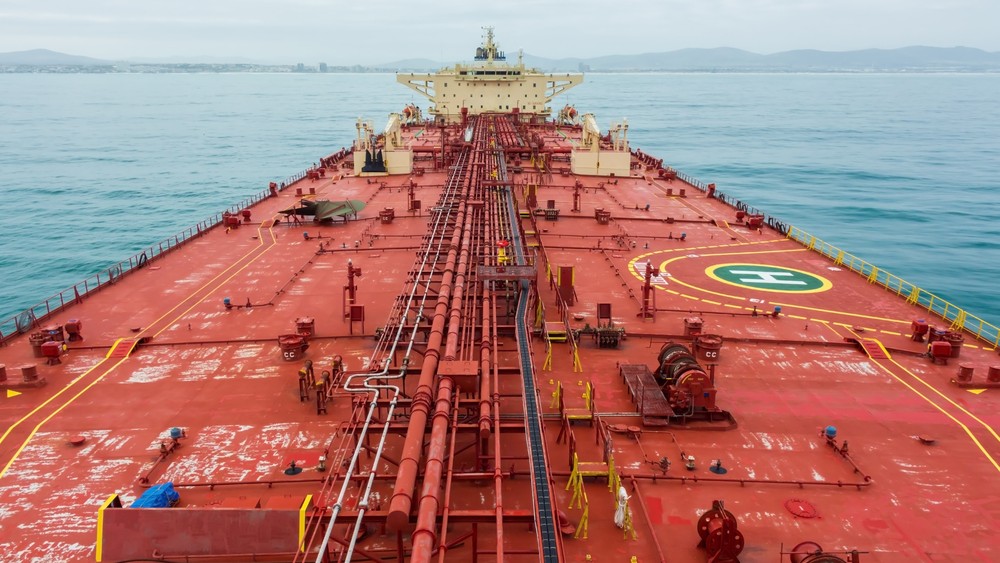
- Trump implemented a Persian Gulf blockade of Iran's oil exports after the Foundation for Defense of Democracies (FDD) projected it would "effectively zero out" Iran's export revenues within days at nearly $500 million in daily losses.
- FDD's predictions have not materialized — satellite imagery shows Iran still actively loading oil at Kharg Island, though FDD claimed Iran should have exhausted its storage capacity nearly a week ago.
- The blockade has pushed oil prices above the levels seen during the war itself, and Exxon's CEO told shareholders gasoline prices will rise further because "the market hasn't seen the full impact" of the Iran conflict yet.
- Joe Kent, Trump's former director of the National Counterterrorism Center, warned the blockade is "triggering a global fertilizer shortage that will cause major food security crises and potential famines."
- The article frames the blockade as the latest in a 47-year pattern of "silver bullet" approaches to Iran — including the proposed assassination of Ayatollah Ali Khamenei and a bombing campaign where a Bloomberg analysis found only 32% of damaged buildings were military targets.
- Steve Witkoff disclosed Trump was frustrated Iran had not "capitulated" despite military threats, and an FDD staffer has reportedly since joined Witkoff's negotiating team.
Why it matters: Trump sacrificed the favorable post-ceasefire status quo — where Iran had forfeited oil-price leverage and Trump could afford strategic patience — for an FDD-promised "silver bullet" that has instead raised oil prices above wartime levels and threatens a global fertilizer-driven food crisis. FDD's own timelines for Iran's collapse have been overtaken by satellite evidence of continued exports from Kharg Island.
Ask SkimNews