The Geopolitical Circumstances of Japan-South Korea Rapprochement — SkimNews

Get the Geopolitics newsletter
Daily geopolitics — wars, elections, sanctions, the diplomatic moves that move markets. Free.
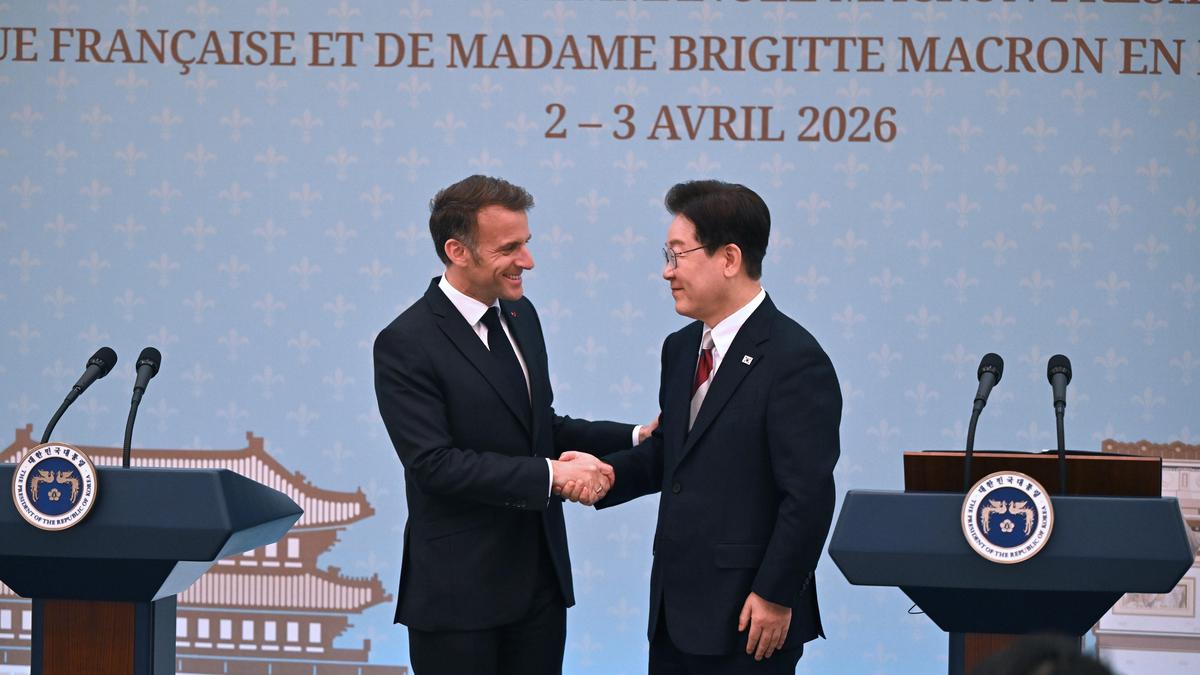
- Lee Jae‑myung and Takaichi Sanae met in Andong on May 19, marking their fourth bilateral meeting in six months and the first reciprocal hometown visit between the two leaders.
- Lee Jae‑myung has met roughly every two months since his inauguration, maintaining a warm rapport while both sides deliberately avoided contentious actions such as a Korean presidential visit to Dokdo and a Japanese ministerial presence on Takeshima Day.
- Lee and Takaichi agreed to deepen cooperation on energy‑supply chain resilience, artificial intelligence, and economic security, pledging information‑sharing on oil supplies, strategic reserves, and petroleum swaps to offset exposure to the closed Strait of Hormuz.
- Security talks will be elevated from director‑general to vice‑ministerial level, institutionalizing regular coordination, though military integration remains limited due to South Korean domestic concerns about Japan’s remilitarization.
- Japan’s outreach to South Korea is driven by strategic necessity, reflecting Tokyo’s desire to secure economic and security interests amid regional tensions.
Why it matters: South Korea and Japan, both major oil importers, will gain greater supply‑chain resilience, reducing risk of price spikes from the Hormuz shutdown and stabilizing regional energy markets.
Ask SkimNews