Trump blocks shipping carbon tax and plastics treaty — SkimNews

Get the Energy newsletter
Daily energy & climate — solar, EVs, oil, the policy fights and tech bets shaping the transition. Free.
- Trump called climate change “the greatest con job ever perpetrated on the world” at the United Nations General Assembly in September, rejecting the notion that industrialized nations should self‑impose emissions cuts.
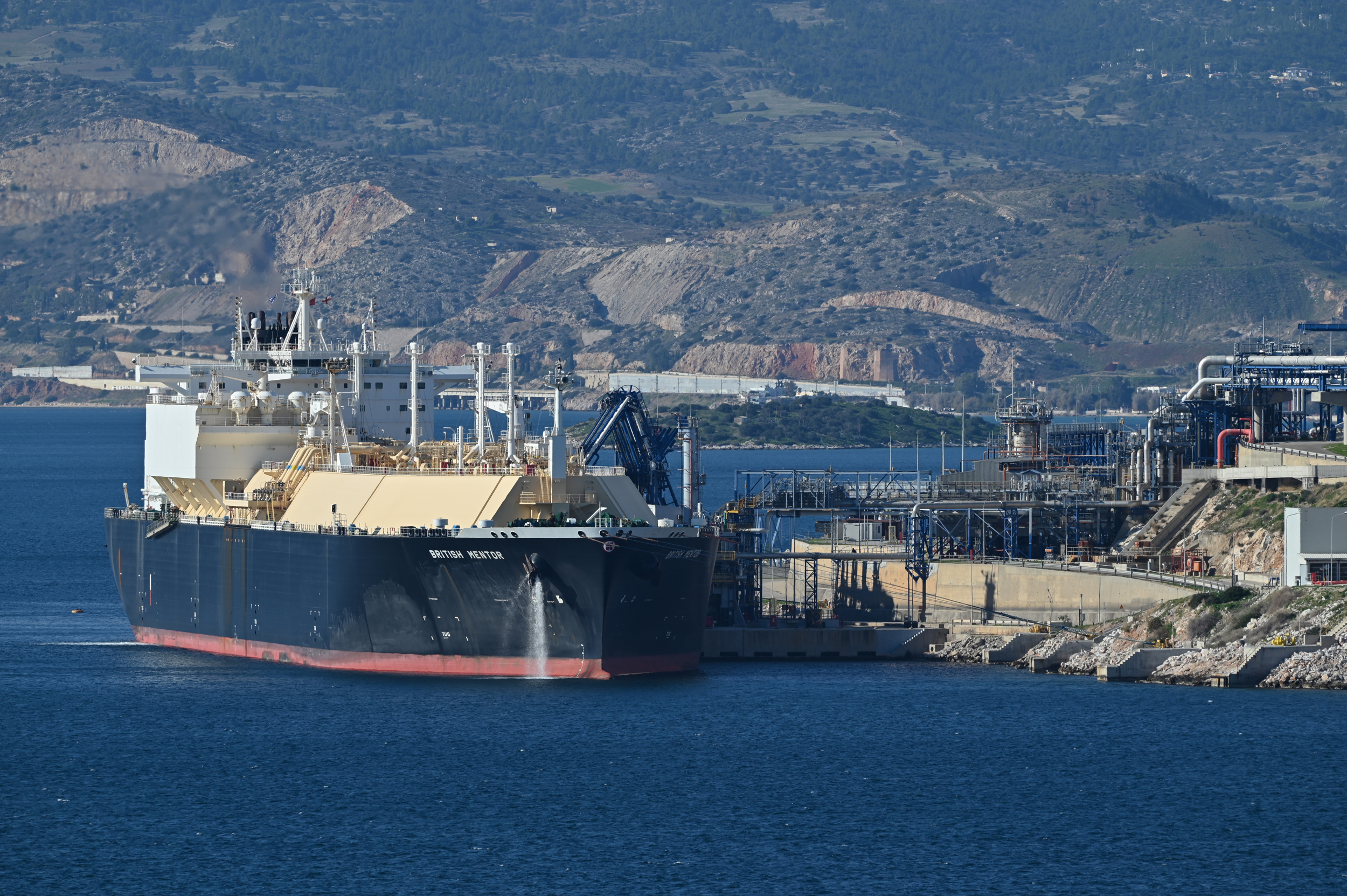
- U.S. administration withdrew from the global shipping carbon‑tax negotiations in April, threatened retaliatory tariffs, visa limits and sanctions, and later prepared to abandon the effort, prompting 57 countries to delay a decision in October.
- U.S. circulated an informal negotiating memo urging key nations to oppose mandatory caps on plastic production, contributing to the collapse of the Geneva plastics treaty talks without a final agreement.
- U.S. State Department sent a missive urging all UN members to reject Vanuatu’s climate resolution, calling it a “charade” and demanding Vanuatu immediately withdraw the proposal.
- Chris Wright warned the International Energy Agency that the United States would pull its funding unless the agency dropped net‑zero scenario modeling and revived a “current policies” model favoring fossil‑fuel demand.
- International Energy Agency revived its “current policies” scenario at U.S. pressure and focused its February summit on energy security rather than climate change.
Why it matters: By derailing the shipping carbon tax and the plastics treaty, the Trump administration preserves market advantages for U.S. fossil‑fuel interests while denying other nations a coordinated emissions‑reduction tool; island states like Vanuatu lose a high‑profile push for climate reparations, and the IEA’s net‑zero modeling credibility is eroded.
Ask SkimNews