Trump: Iran War 'Very Close to Over'; S&P, Nasdaq Rally — SkimNews
SkimNews Take
With Hormuz traffic reduced yet oil holding near $91 despite Trump's de-escalation claim, the price action suggests traders aren't fully buying the verbal signal — a gap that could widen sharply if the optimism fades.
Get the Finance newsletter
Daily finance — markets, central banks, M&A, the prints that move money. Free.
- Trump told Fox Business the war he launched with Israel is 'very close to over,' and White House press secretary Karoline Leavitt said 'we feel good about the prospects of a deal.'
- The S&P 500 rose 0.80% to 7,022.95 and the Nasdaq Composite gained 1.60% to 24,016.02, but the Dow Jones Industrial Average fell 0.15% to 48,463.72.
- Industry sources told Reuters that transit through the Strait of Hormuz is running at a fraction of its usual volume, though a Tehran-briefed source said Iran could permit free passage on the Omani side if a deal prevents renewed conflict.
- Bank of America and Morgan Stanley both reported strong first quarters, with shares rising 1.8% and 4.5% respectively, kicking off an earnings season analysts expect to show broad S&P 500 growth.
- Oil steadied after steep prior-session falls — U.S. crude up 0.01% to $91.29/barrel, Brent up 0.15% to $94.93/barrel — as Gelber & Associates said a small but increasing number of tankers were moving through the strait while the market held 'a residual premium.'
- The U.S. dollar index sat nearly flat at 98.08, on track for an eighth straight session of declines, with Monex US's Juan Perez noting the focus is shifting from conflict headlines to economic growth.
- U.S. Treasuries slid, with the 2-year yield rising 1 basis point to 3.761% and the 10-year up 2.5 bps to 4.282%; Nomura's David Seif said energy disruptions have hit European markets harder than U.S. markets, which benefit from being a net energy exporter.
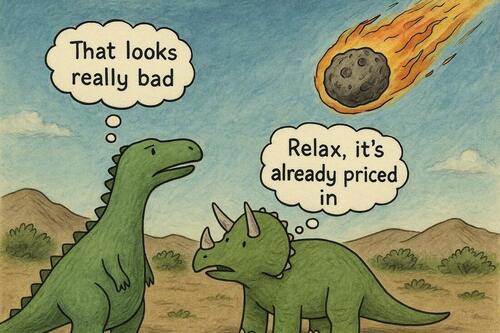
Why it matters: The market split reveals the tension: equity investors priced in peace (S&P 500 +0.80%, Nasdaq +1.60%), but the Dow's 0.15% decline, the dollar's eighth straight losing session, and a residual oil premium show Wall Street hasn't fully bought the 'war's over' narrative. With Hormuz traffic still at a fraction of normal volume, the energy supply shock is real even if Trump's rhetoric isn't — leaving traders whipsawed between headline-driven rallies and the underlying commodity constraints.
Ask SkimNews