Skull Immune Hubs Found That Fight Brain Tumors in Mice

Get the Health newsletter
Daily health & science — research, biotech, public health, the studies worth knowing. Free.
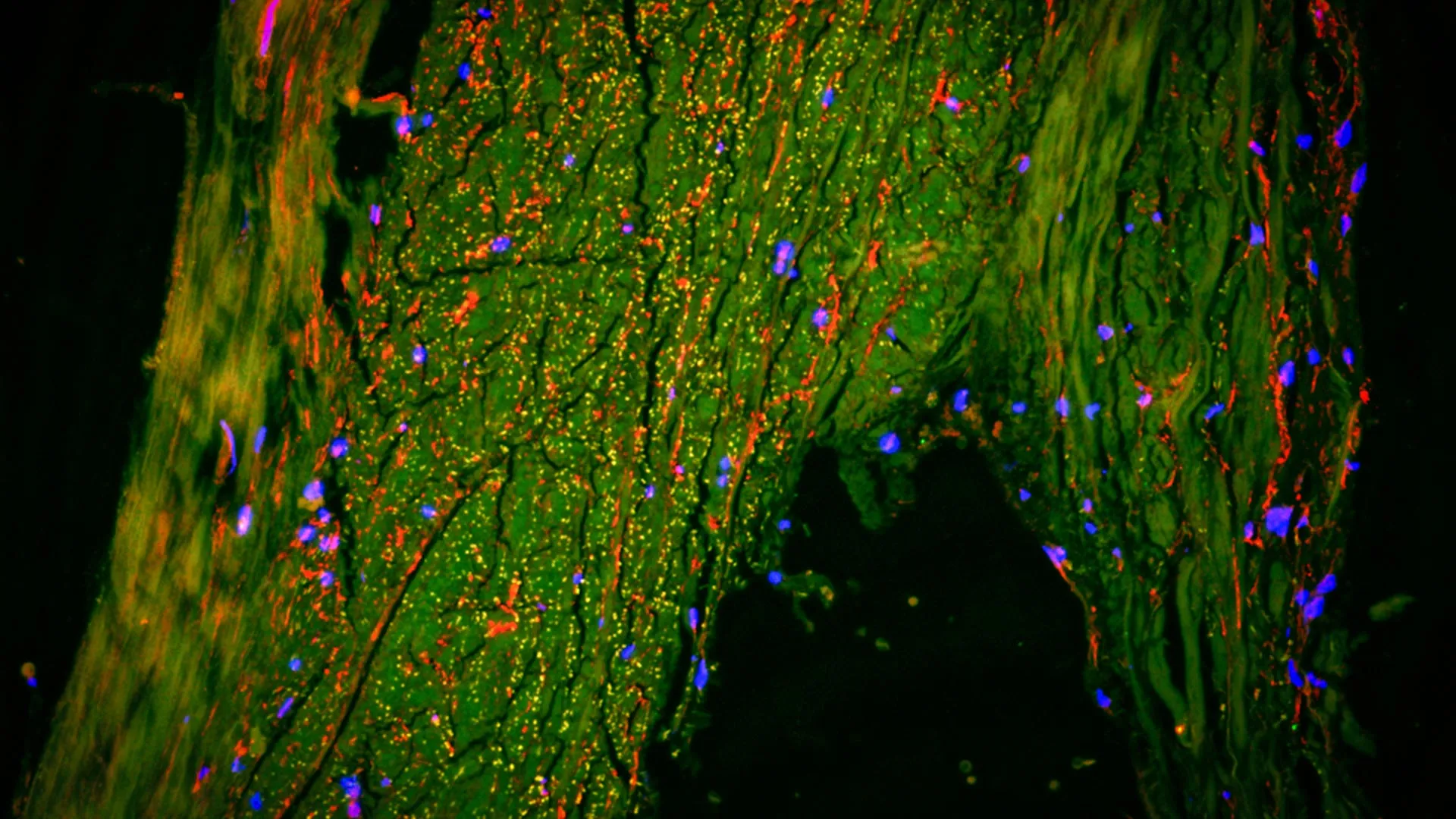
- Jonathan Kipnis at the University of Washington and colleagues discovered that B-cells, T-cells, and antigen-presenting cells cluster together in immune hubs at the back of the skull in mice, structures that resemble lymph nodes and had never been described before.
- Vesa Kiviniemi of the University of Oulu, who was not involved in the study, called the finding "an important step forward in understanding the brain's immune response" and said it is relevant to infections, inflammatory brain diseases, multiple sclerosis, and neurodegenerative diseases.
- Mice injected with brain cancer cells that received an experimental drug blocking CD40L on antigen-presenting cells lived an average of 25 days, compared with 35 days for mice given saline placebo injections.
- Mice given three drugs designed to enhance B- and T-cell activation in the skull survived roughly 10 days longer than placebo mice after the same tumor injection.
- The researchers believe similar hubs exist in humans based on gene activity data from prior skull studies, though Kiviniemi noted that cadaver studies are still needed to confirm their presence.
- The team says targeting these hubs could lead to new treatments that "awaken and strengthen" the brain's immune defenses against cancer and other diseases where immune cells malfunction.
Why it matters: If confirmed in humans, these skull immune hubs open a drug-accessible route to the brain's immune system — the CD40L-blocking experiment cut survival by 10 days, while the activation-boosting drugs extended survival by 10 days, demonstrating that both suppressing and amplifying these hubs produces measurable effects on brain tumor outcomes in mice.
Ask SkimNews