Indonesia receives first aircraft carrier amid cost debate — SkimNews

Get the Geopolitics newsletter
Daily geopolitics — wars, elections, sanctions, the diplomatic moves that move markets. Free.
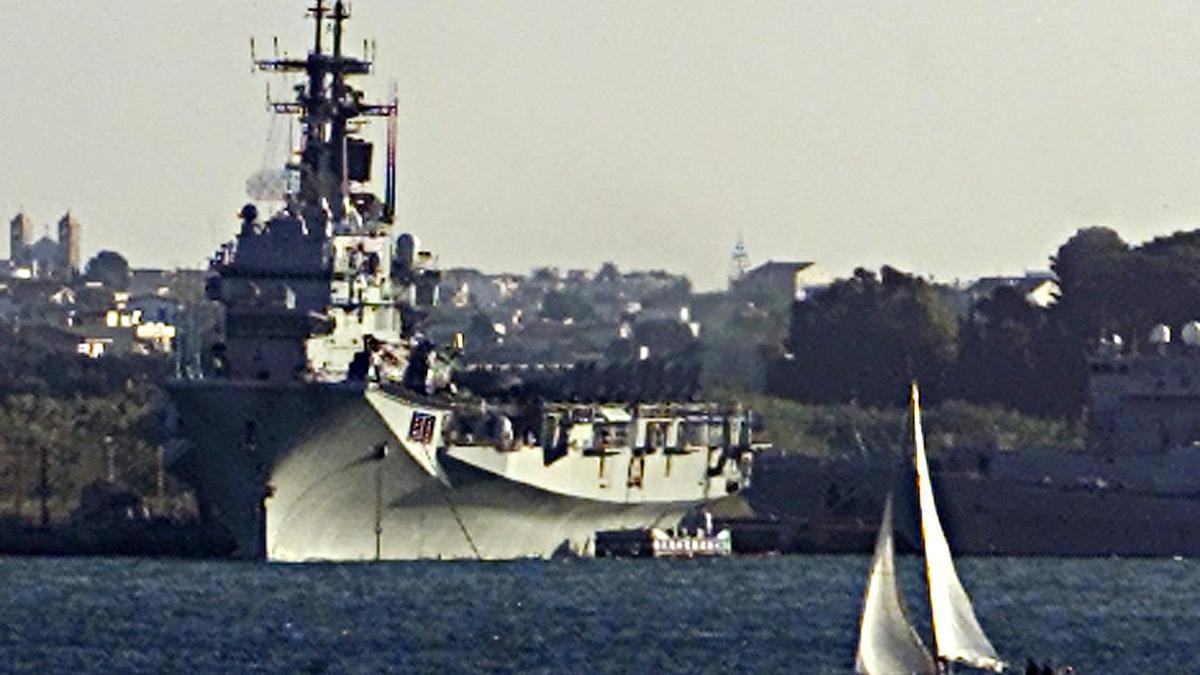
- Indonesia received its first aircraft carrier — the 41-year-old former Italian warship ITS Giuseppe Garibaldi, retired in 2024 — at a military ceremony at Tanjung Priok port in North Jakarta, with formal commissioning as KRI Gajah Mada set for next week.
- Italy agreed in March to transfer the retired carrier as part of broader defense engagement with Indonesia that includes pursuit of submarine and aircraft deals, with the gift also saving Rome the cost of decommissioning the vessel.
- The Giuseppe Garibaldi makes Indonesia the second Southeast Asian nation to operate a carrier, following Thailand's HTMS Chakri Naruebet, which was commissioned in 1997 after procurement from Spain.
- Indonesia's finance ministry approved $450 million in 2025 financing for the carrier program, but lawmaker TB Hasanuddin warned retrofitting alone could cost about $900 million (16 trillion rupiah).
- President Prabowo Subianto framed the vessel as a mobile command center and disaster-response platform capable of carrying up to 10 medium-sized helicopters and drones, particularly for combating the forest and peatland fires that regularly blanket the region in haze.
- Analysts including CSIS's Muhammad Fauzan Malufti and Khairul Fahmi questioned the acquisition, citing Thailand's carrier as a cautionary example of a ship that spent most of its service life in port due to budget and operational constraints, and arguing Indonesia needs submarines and frigates more urgently.
- The acquisition comes as Prabowo's government funds a free nutritious meals program — recently tainted by food-poisoning incidents — while economists warn of slowing growth, weaker state revenues and widening budget constraints.
Why it matters: Indonesia's first aircraft carrier — financed with at least $450 million and potentially $900 million for retrofitting alone — arrives as the country faces slowing growth and tight budgets. Defense analysts argue the money would be better spent on frigates and submarines, and Thailand's largely docked carrier offers a cautionary precedent.
Ask SkimNews