Iranian VLCCs Breach Hormuz Blockade, Reroute via Lombok — SkimNews

Get the Geopolitics newsletter
Daily geopolitics — wars, elections, sanctions, the diplomatic moves that move markets. Free.
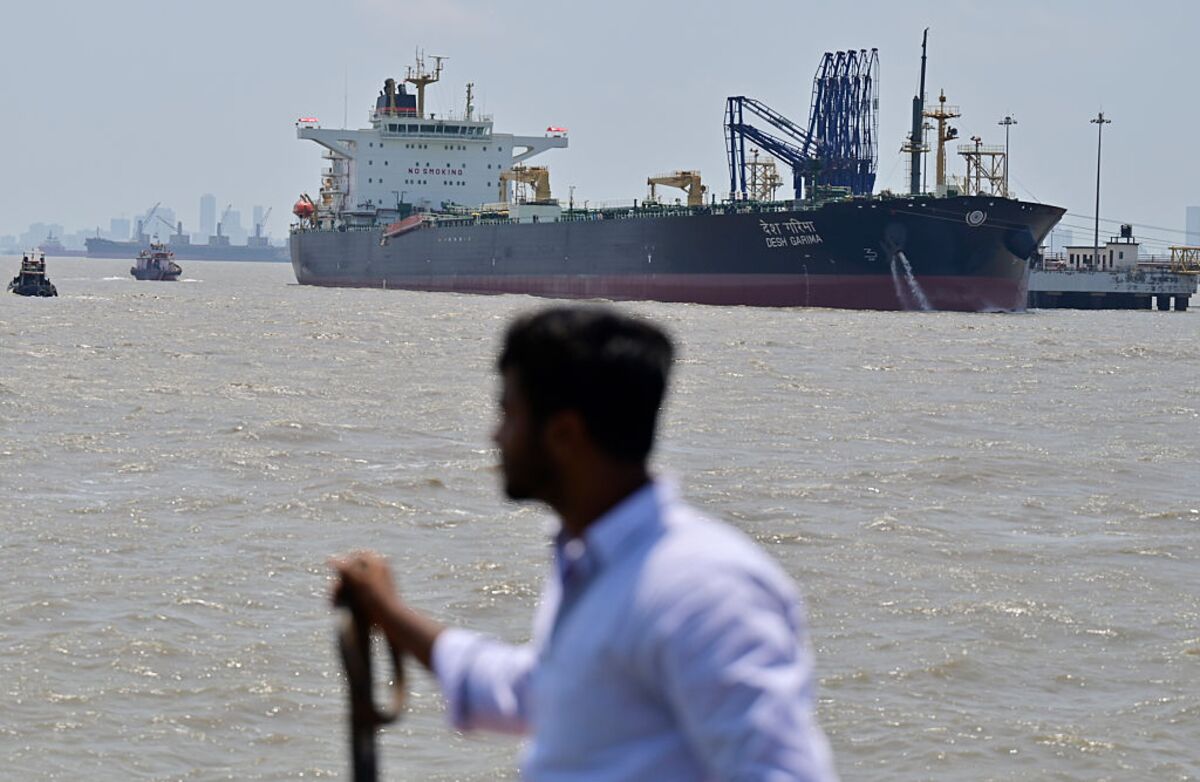
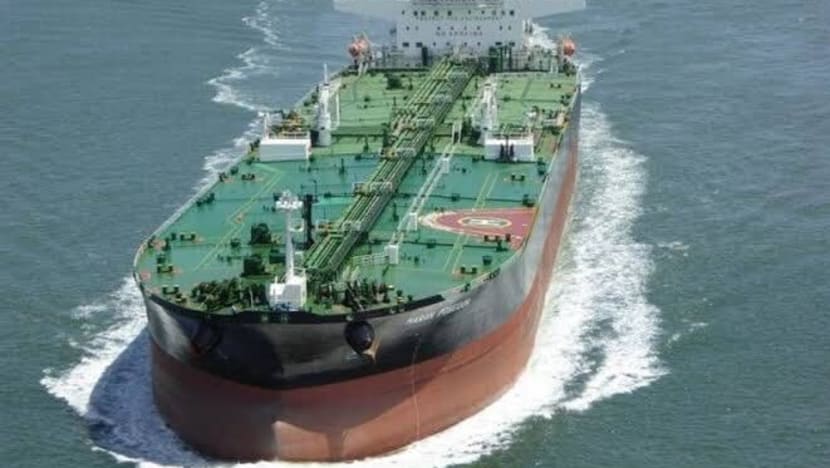
- VLCCs HUGE and DERYA navigated past the US Navy's Strait of Hormuz blockade over the weekend, carrying 3.8 million barrels of crude through the Lombok Strait to Indonesia's Riau Archipelago.
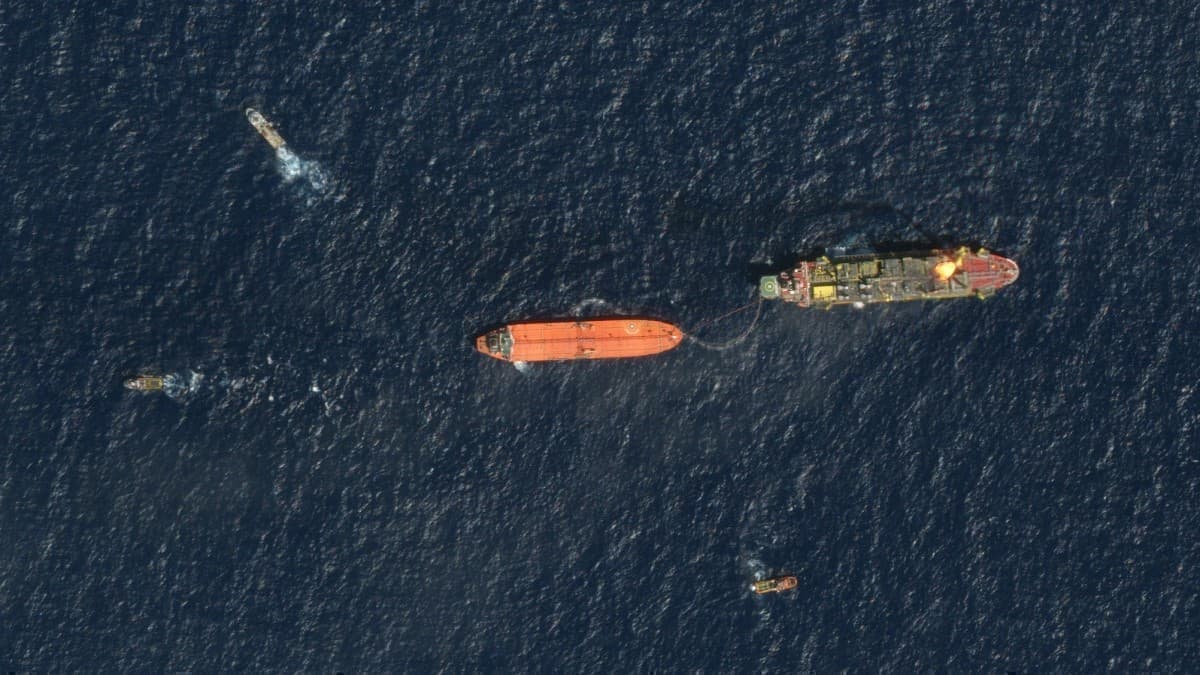
- The Riau Archipelago has become a clearinghouse for Iranian crude, coordinating ship-to-ship transfers to smaller, re-flagged vessels largely destined for China.
- The Lombok Strait is deeper, wider, and less monitored than the Strait of Malacca, adding only a few days of travel time while offering a sanctions-proof alternative route.
- The leaked Pentagon plan would grant the US military unlimited overflight access to Indonesian airspace, a request framed as necessary to salvage the failing Hormuz blockade through air superiority.
- President Prabowo Subianto faces intensifying pressure as Indonesia is pulled deeper into the US-China rivalry, and lacks the naval capacity to police ship-to-ship markets in its own waters.
- The US Navy's interdiction policy exposes what the author calls a core contradiction of American naval hegemony: it is 'omnipotent but not omnipresent,' unable to police thousands of archipelagos where shadow-fleet operations can simply relocate.
Why it matters: The blockade breach shows that naval interdiction cannot scale to cover every maritime transit corridor, and the longer Trump's Hormuz blockade holds, the more permanent the Lombok route becomes. Indonesia is now the pressure point: if Prabowo grants Pentagon overflight access, the US gains a workaround to its naval limits; if he refuses, he faces the threat of American sanctions while lacking the fleet to police shadow-fleet transfers in his own exclusive economic zone.
Ask SkimNews