Iran's Dark Fleet Moves 1.5–1.7M bpd Through 'Closed' Hormuz — SkimNews
Get the Energy newsletter
Daily energy & climate — solar, EVs, oil, the policy fights and tech bets shaping the transition. Free.
- Iran has kept crude exports at an estimated 1.5–1.7 million bpd — roughly pre-war levels — with more than 16 million barrels transiting Hormuz in March alone, according to intelligence cited in the source.
- Commercial traffic through the Strait of Hormuz has fallen more than 90% from normal levels, but the collapse is uneven: it applies primarily to Western-linked shipping and Gulf exporters, while Iranian-linked and sanctioned vessels continue moving with tacit or explicit tolerance from Iranian naval forces.
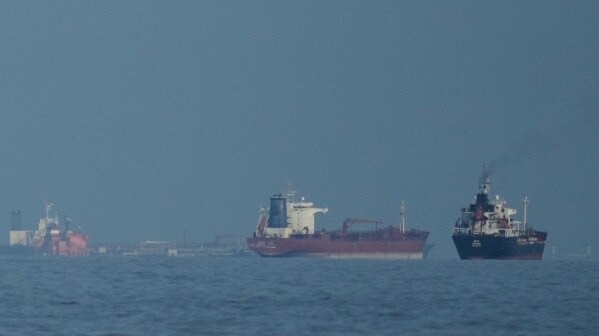
- At least 25 laden Iranian tankers have been operating inside the Gulf as part of the shadow system, collectively handling tens of millions of barrels since the conflict began, and at least 40 vessels were observed disabling AIS signals at the conflict's start.
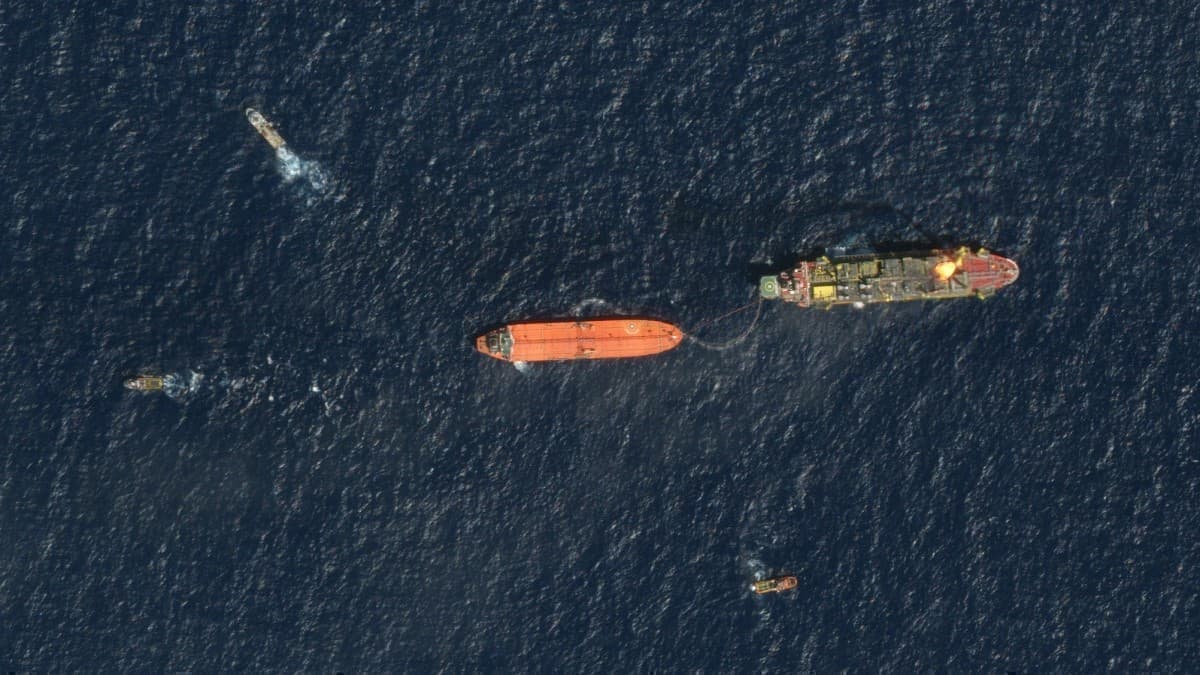
- Iran has built a floating storage buffer of up to 140 million barrels of crude held at sea, serving as both a revenue stabilizer and a strategic reserve, while also activating the Jask terminal on the Gulf of Oman — nearly 1 million bpd of capacity that bypasses Hormuz entirely.
- China is the primary destination for cargoes moved through this network, with origin typically obscured via ship-to-ship transfers in Indian Ocean and Southeast Asian waters.
- The dark fleet uses ownership opacity, shell companies, AIS manipulation or deactivation, and flags from weakly enforced jurisdictions, and Tehran adapted the model from Russia's post-Ukraine shadow-fleet operations.
- Western policymakers are tolerating the system because 15–20% of global oil and LNG flows are already disrupted and a full cutoff of Iranian exports could trigger a supply shock of potentially historic proportions, leaving selective enforcement and tacit waivers as the current equilibrium.
Why it matters: The Hormuz crisis is not choking off supply — it is rerouting it through a sanctioned, opaque system dominated by Iran and ultimately feeding Chinese demand. With 15–20% of global oil and LNG flows already disrupted and a full Iranian cutoff threatening historic price spikes, Washington has effectively accepted a bifurcated oil market in which sanctions enforcement is now subordinated to the goal of preventing a supply shock.
Ask SkimNews