Oil exports through the Strait of Hormuz might not return to levels seen before the Iran war — SkimNews

Get the Geopolitics newsletter
Daily geopolitics — wars, elections, sanctions, the diplomatic moves that move markets. Free.
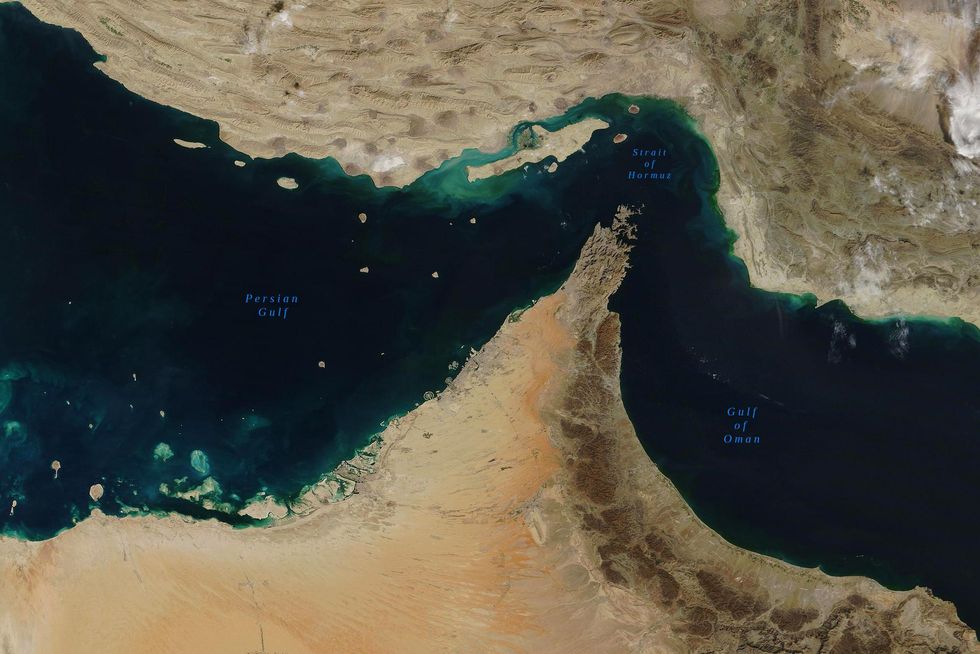
- Iran closed the Strait of Hormuz in late February 2024 in response to the U.S.-Israel war, creating the largest oil supply disruption in history.
- Western commercial ship owners are expected to avoid Hormuz unless they can coordinate with Iran’s Revolutionary Guard, risking U.S. sanctions violations.
- Amos Hochstein said on CNBC that Iran will retain control of the strait for the foreseeable future, regardless of any peace settlement.
- Helima Croft of RBC Capital Markets warned that any post‑war arrangement leaving Iran in operational control will cut oil flows through Hormuz appreciably.
- Richard Meade of Lloyd’s List projected Hormuz traffic could fall to 60‑70% of pre‑war levels, with China‑affiliated vessels sailing freely while Western ships need bilateral agreements with Iran.
Why it matters: Western oil traders lose access to the cheapest route, pushing freight rates up by 10‑15% and forcing refiners to source from pricier alternatives, while Chinese shippers retain cheaper passage, tightening global price spreads.
Ask SkimNews