Iran Moves to Lock In Permanent Hormuz Control After War — SkimNews
Get the Geopolitics newsletter
Daily geopolitics — wars, elections, sanctions, the diplomatic moves that move markets. Free.
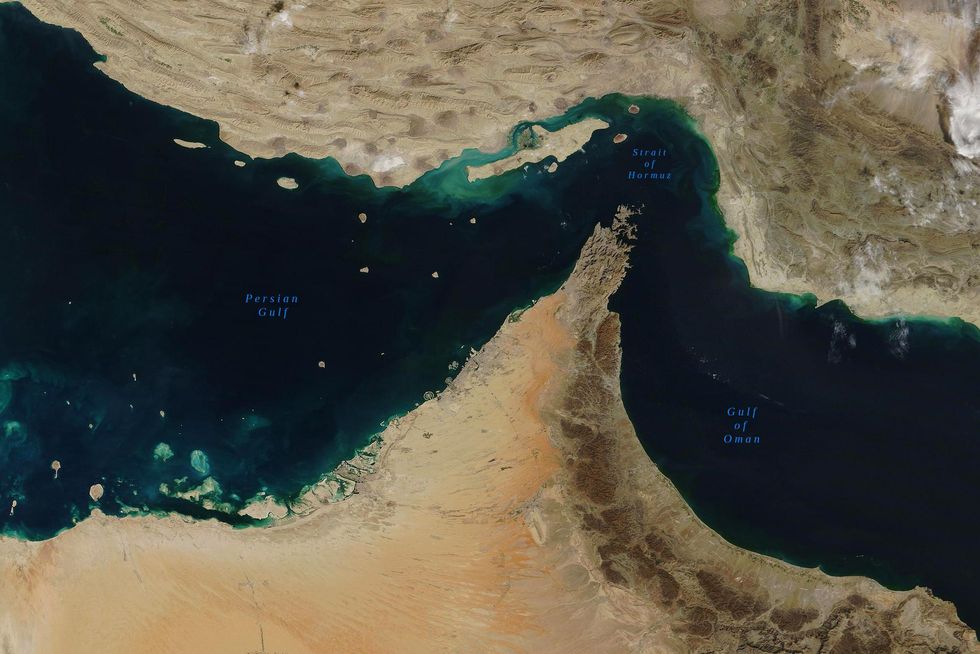
- Iran has imposed significant restrictions on Strait of Hormuz transit and targeted several vessels attempting passage, demonstrating leverage over the international economy that Tehran aims to convert into permanent post-war control.
- The IRGC is expected to maintain de facto control of the strait with backing from both hardliners and reformists, allowing passage to vessels from China, Russia, Iraq, Turkey, Thailand, Pakistan, and India while restricting those linked to the US, Israel, or their allies.
- Iran's parliament is considering a "Strait Security Arrangements" bill granting Tehran authority over maritime navigation safety, toll regulations, financial arrangements, and cooperation with Oman.
- UNCLOS generally prohibits tolls for mere passage through international straits, but neither the US, Israel, nor Iran is party to the convention, and Iran has explicitly rejected the transit passage regime in favor of "innocent passage" under the 1985 Geneva Convention.
- UN Security Council Resolution 2816 condemned Iran's obstruction of the strait, and Bahrain circulated a draft resolution — but China and Russia would likely veto any measure authorizing military action against Iran.
- Trump set an April 6 deadline for Iran to reopen the strait, but the source argues Tehran treats it as a permanent fixture rather than a bargaining chip, having concluded that its missile capability alone can no longer preserve deterrence.
- Oman is expected to be offered a specific role in the new transit mechanism modeled on the authorities governing the Panama or Suez Canals, and Iran may revive a revised version of the 2019 Hormuz Peace Endeavour (HOPE) framework that originally brought together eight regional states.
Why it matters: Tehran is converting the Strait of Hormuz from a wartime weapon into a permanent fixture: analysts cited in the source say strait-fee revenue has the potential to exceed oil-export earnings, Gulf states must choose between joining Iran's emerging framework or being sidelined, and Trump's April 6 reopening deadline has failed to shift Tehran's position.
Ask SkimNews