Iran Tightens Hormuz Grip to Pressure US as War Costs Mount — SkimNews

Get the Geopolitics newsletter
Daily geopolitics — wars, elections, sanctions, the diplomatic moves that move markets. Free.
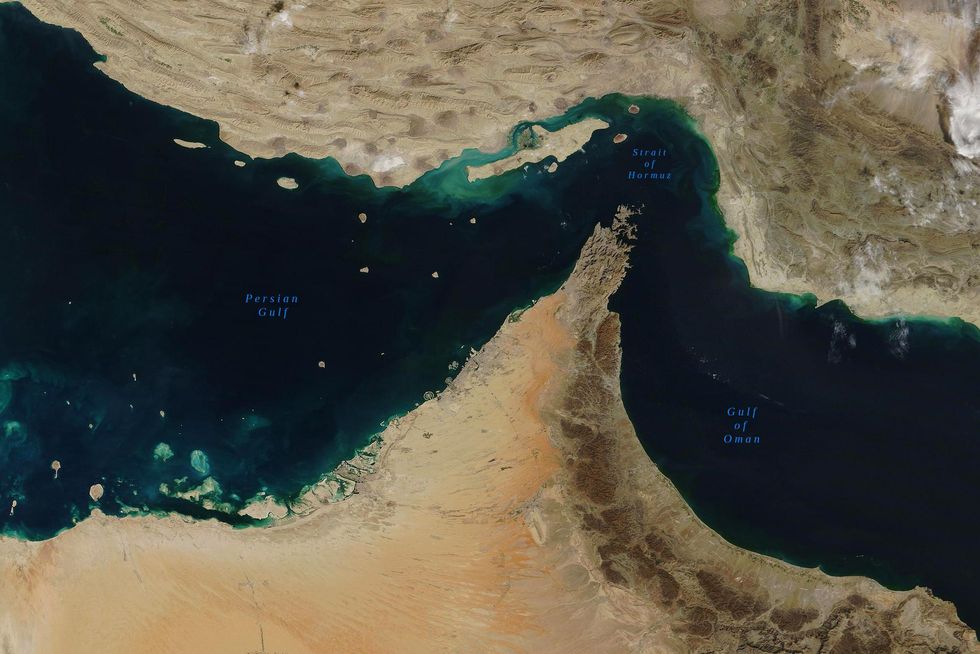
- Iran is tightening control over the Strait of Hormuz — which carries a fifth of the world's traded oil and gas — betting that US weapons shortages, war unpopularity at home, and November congressional election pressure will force American acceptance of Iranian leverage.
- Iran says it is close to a deal with Oman to manage the strait, but the arrangement depends on the US lifting its blockade, would require Trump's approval, and could formalize Iranian control over what had been an open international waterway.
- Iran's joint military command has declared the strait will not return to being an open waterway and that it will keep attacking ships without permission, calling it an "unbreakable red line."
- Iran's economy has been hit by US and Israeli strikes on its industrial base, the US blockade choking oil exports, and triple-digit food inflation; a December currency crisis sparked the largest anti-government protests in the Islamic Republic's 47-year history, met with a crackdown that killed thousands and detained tens of thousands.
- Mohammad Javad Zarif, the former foreign minister who helped negotiate the 2015 nuclear deal, warned in a recent essay that Iran's war gains opened "an exceptional window for diplomacy," but that without a deal soon, "the possibility of internal unrest or renewed aggression, especially after the US elections, cannot be ruled out."
- Mahdi Mohammadi, an adviser to Iran's chief negotiator, wrote on social media that "Iran is going after the enemy's defeat - not an agreement," and said a surprise Iranian attack on Jordan in July "compensated" for falling oil prices and helped collapse an interim June agreement that had offered Iran a US waiver to sell oil internationally and broader sanctions relief.
Why it matters: The strait carries roughly a fifth of global traded oil and gas, so formalizing even partial Iranian control would mark a concrete US strategic setback and set a precedent that challenges freedom-of-navigation norms. Inside Iran, former Foreign Minister Zarif has publicly warned the diplomatic window is closing — meaning Tehran's leverage play could collapse into renewed domestic unrest if economic strain deepens.
Ask SkimNews