Iran closes Hormuz deal as US missile stocks run dry — SkimNews

Get the Geopolitics newsletter
Daily geopolitics — wars, elections, sanctions, the diplomatic moves that move markets. Free.
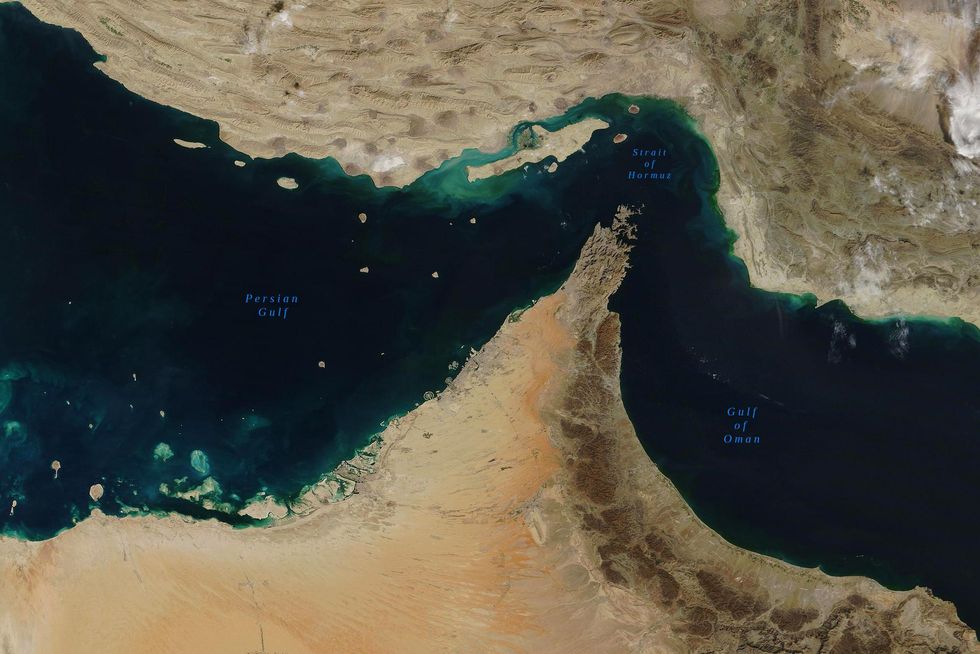
- Iran-Oman Hormuz draft routes inbound Strait of Hormuz shipping through an Iranian-controlled channel with service fees, awaiting approval from Supreme Leader Ayatollah Mojtaba Khamenei, who has not been seen publicly since the Feb. 28 opening strikes.link ›
- U.S. missile depletion: The Army burned through 'virtually all' of its ATACMS and PrSM stockpiles, roughly 65% of Patriot interceptors, at least 38% of THAAD, and nearly half of Tomahawk cruise missiles during the five-month Iran war, per CSIS estimates.link ›
- Senate passes Russia sanctions bill 86-11: The Lindsey O. Graham Sanctioning Russia and Iran Act gives Trump authority to impose 100% tariffs on the top five importers of Russian oil — China, India, Azerbaijan, Hungary, and Slovakia.link ›
- Russia pounds Kyiv with 24 ballistic missiles, four Zircon/Onik cruise missiles, and 115 jet-powered drones in a single overnight barrage, killing 17 and wounding 44; Zelenskyy says first-half 2026 air-defense supplies fell to one-third of 2025 levels.link ›
- Mecca Joint Defence Agreement signed by Crown Prince Mohammed bin Salman, Turkey's Recep Tayyip Erdogan, and Pakistan's Shehbaz Sharif: 'any armed attack against any one of the three States shall be regarded as an attack against them all.'link ›
- Taiwan launches Han Kuang 10-day drills with deliberate mobile-internet throttling for the first time, mobilizing 20,000+ troops including 5,000 reservists, and rehearsing wartime arsenal relocation amid fears China may sever Pacific supply lines.link ›
- Cargo ship struck off Oman near the Strait of Hormuz; crew abandoned vessel, one seafarer missing — even as Brent crude fell more than 2% Tuesday on hopes of a deal to unfreeze traffic through a chokepoint carrying about a fifth of global oil and LNG.link ›
The U.S. is closing its five-month war with Iran by handing Tehran operational control over the Strait of Hormuz. Iranian and Omani negotiators finalized a draft routing inbound shipping through an Iranian-controlled channel with service fees, and Trump told reporters in California an announcement could come as soon as Wednesday. That same week, sources confirmed the Army burned through 'virtually all' of its ATACMS and PrSM stockpiles, roughly 65% of Patriot interceptors, and nearly half its Tomahawk cruise missiles since February — leaving the U.S. less able to deter China or Russia if either pushes. On a parallel front, the Senate passed the Lindsey O. Graham Sanctioning Russia and Iran Act 86-11, giving Trump 100% tariff authority over the top five Russian crude buyers: China, India, Azerbaijan, Hungary, and Slovakia.
The stories behind this week
Senate passes Russia sanctions bill with 100% tariff powerIndia and China — the world's two largest buyers of Russian crude — would face 100% U.S. tariffs if Trump invokes the new authority, potentially reshaping global energy flows. But Meeks and Beyer's critique exposes a built-in contradiction: the bill's stated goal is punishing Russia, yet it simultaneously hands Trump broader unilateral tariff power that Democrats argue he could redirect elsewhere, undermining the anti-Russia mission.

Cargo Ship Struck in Hormuz as US-Iran Talks ProgressThe source explicitly states that granting Iran full control over the strait "would be a major shift in the regional balance of power in Tehran's favour" and undermine the case that Operation Epic Fury weakened Washington. Combined with three sources reporting the U.S. Army has burned through most of its high-precision long-range missile stockpile, any deal that hands Tehran operational leverage in the strait would directly undercut the stated goals of the February campaign while Washington's coercive leverage is eroding.

Taiwan launches 10-day Han Kuang drills, throttles internetHan Kuang has been held since 1984, but this iteration marks a clear pivot toward realism—testing wartime internet throttling, arsenal relocation, and Pacific supply-line escorts—reflecting Taiwan's growing concern that Beijing is rehearsing strikes designed to paralyze command centres and ports early in an attack.
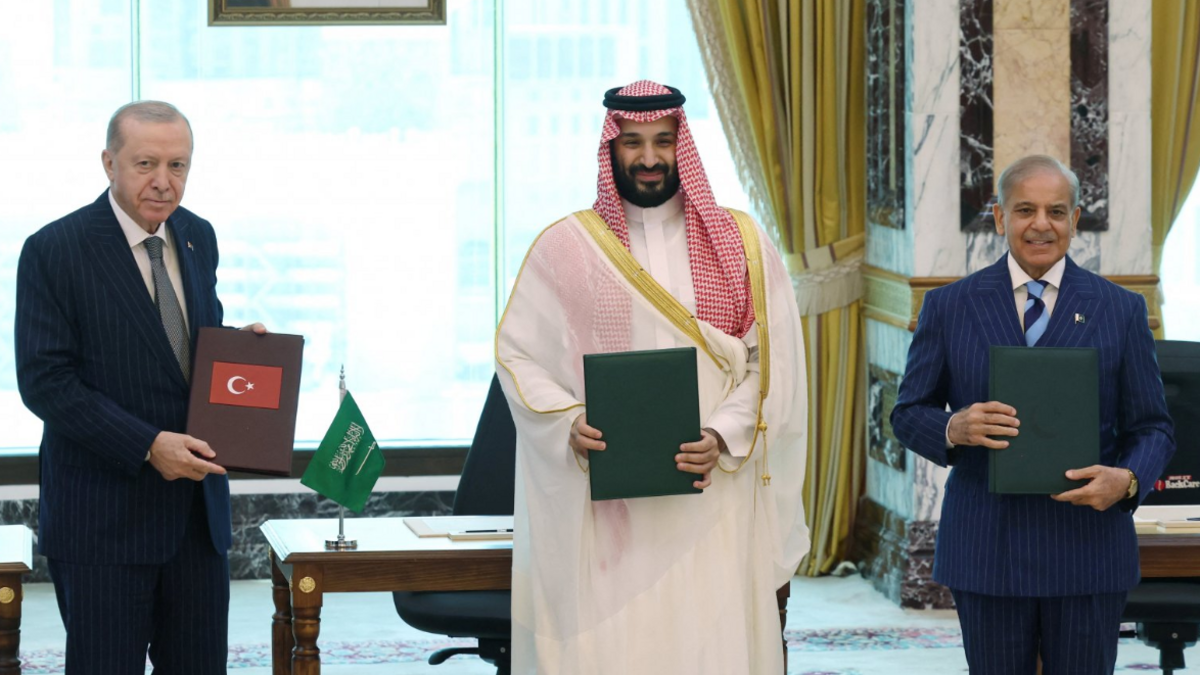
Saudi Arabia, Turkey, Pakistan Sign Defence PactFor Saudi Arabia, the pact formalizes a regional security backstop after the US-Israel-Iran war and Houthi Red Sea attacks — but with no specified obligations, its real value is deterrence, making aggression against any of the three significantly costlier while leaving trigger scenarios like Yemen and India diplomatically ambiguous.

Russia Kills 17 in Kyiv; Ukraine's Patriots EmptyThe attack killed 17 civilians at sites with no confirmed military value—brewing, mail sorting, construction retail—and Zelenskyy pinned the toll directly on Western interceptor delays. With first-half 2026 Patriot supplies at one-third of 2025 levels and Russia firing 24 ballistic missiles plus 115 drones in a single night, Ukraine's ability to shield its cities from the next barrage now hinges on whether the US or European partners release more interceptors before stocks are exhausted.

Iran, Oman finalize Hormuz draft as Trump says deal closeThe draft deal would route a waterway carrying roughly a fifth of the world's oil and gas through an Iranian-controlled lane with service fees — a reversal of prewar international norms that the Trump administration says it opposes, complicating Trump's effort to end an unpopular war before midterm elections.

Malaysia Won't Return Rohingya If Lives At RiskThe conditional language gives Malaysia political cover without committing to a full reversal: it retains the option to send back Rohingya deemed 'safe' by its own ministries. For the 126,000+ Rohingya already in Malaysia, the review's criteria — not the headline — will determine whether any face forced return to a country where rights groups document ongoing junta persecution.
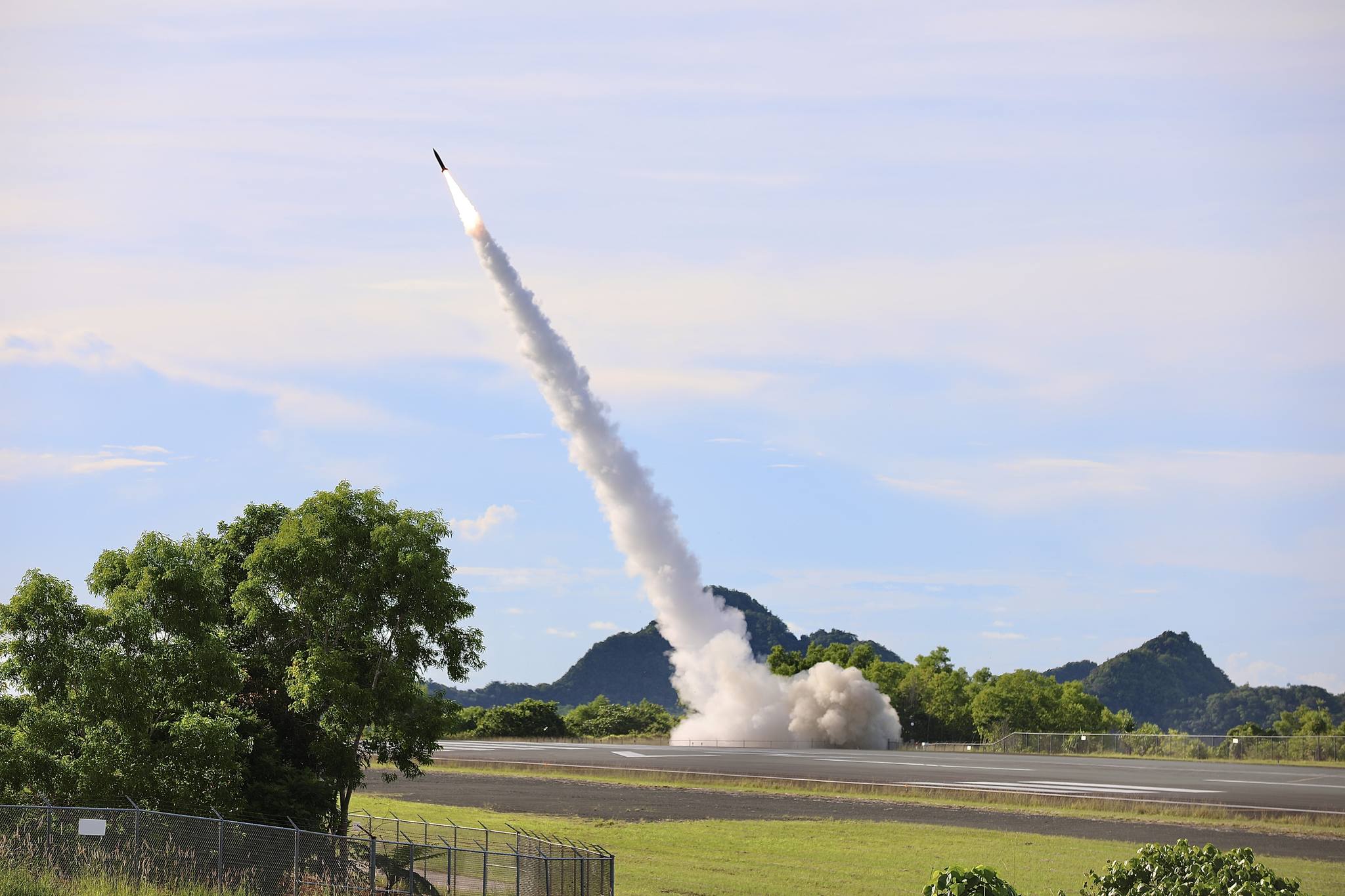
US Exhausted Precision Missiles in Iran WarA war Trump predicted would be short has now drained 'virtually all' of the Army's long-range precision missiles, 65% of Patriot interceptors, and nearly half of Tomahawk cruise missiles — leaving the U.S. less able to respond to simultaneous crises elsewhere, particularly a China contingency. With CSIS confirming production may lag a prolonged conflict, the depletion forces a choice between continued strikes on Iran and preserving deterrence against Russia and China.
Why it matters: The concrete consequence: any deal that institutionalizes Iranian operational control over a chokepoint carrying a fifth of global oil and LNG will leave the U.S. trying to deter simultaneous crises in Taiwan and Ukraine with a precision-missile stockpile that has just publicly telegraphed its own depletion.
Ask SkimNews