Iran Would Control Inbound Hormuz Traffic Under Deal — SkimNews

Get the Geopolitics newsletter
Daily geopolitics — wars, elections, sanctions, the diplomatic moves that move markets. Free.
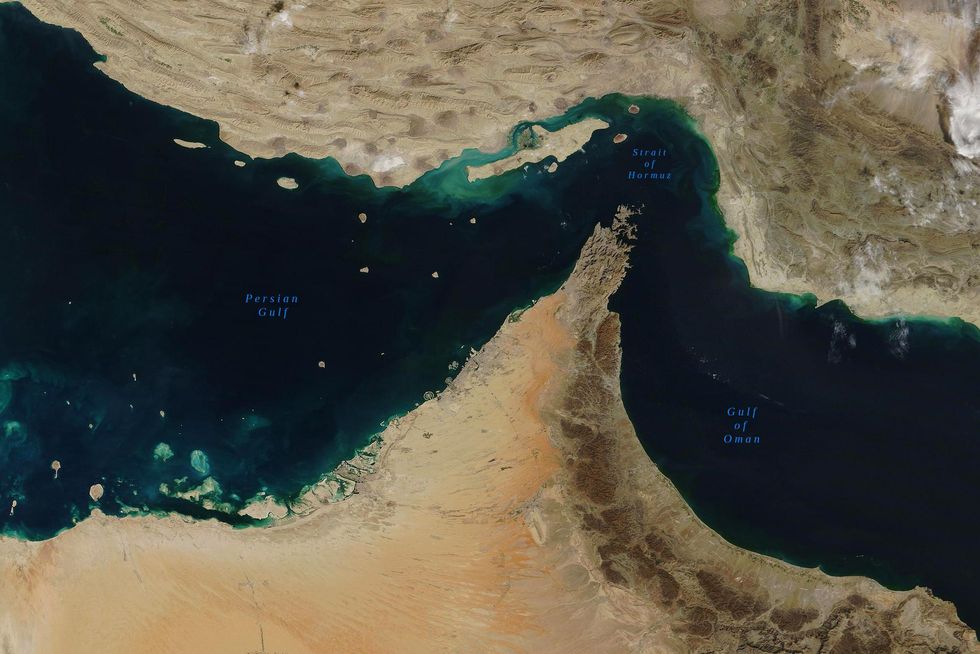
- Proposed Iran-Oman deal would give Tehran control over ships entering the Gulf through the Strait of Hormuz, with Iranian Deputy Foreign Minister Kazem Gharibabadi telling IRNA the arrangement routes commercial ships through Iranian territorial waters on both inbound and outbound legs.
- US officials have repeatedly insisted they would never agree to Iran controlling access to the world's most important energy trade route, though there was no immediate US comment on the specific proposal reported Wednesday.
- Fee structure remains the central unresolved issue: Iran is seeking 5-7% of cargo prices, Oman is discussing roughly 3%, and Washington wants no fees — with making payments voluntary, at least nominally, floated as a potential compromise.
- Donald Trump faces domestic pressure as voters reject the conflict by two-to-one ahead of November midterms; the war began with his promise of Iran's "unconditional surrender" and his asserted role in choosing its leader.
- US military constraints have emerged — the Army has used up nearly all long-range precision missiles, and commanders warned Trump in July about dwindling munitions supplies during a two-week July strike campaign that failed to break Iran's grip on the strait.
- Yemen's Houthis launched missile attacks on Saudi oil tankers off the Red Sea port of Yanbu and in the Gulf of Aden on Wednesday, and declared a maritime embargo on Saudi ports that is capping losses in plunging crude prices.
- Iran has received US messages indicating Washington is "fully prepared to return to its commitments" under a mid-June memorandum of understanding for cessation of military operations, though Tehran said no direct US-Iran talks have been held in recent days.
Why it matters: A deal handing Iran inbound-traffic control would mark a major regional power shift after a war the US launched expecting "unconditional surrender," with Iran's grip on the strait unbroken despite a July strike campaign. The concession table appears tilted toward Tehran precisely as US precision-missile stockpiles approach depletion and voters oppose the conflict 2-to-1.
Ask SkimNews