IAEA: Iran Nuclear Program Unchanged Since War — SkimNews

Get the Geopolitics newsletter
Daily geopolitics — wars, elections, sanctions, the diplomatic moves that move markets. Free.
- IAEA reported to UN member states that its assessment of Iran’s nuclear program has not changed significantly in its first post‑war report, released a little over three months after the U.S.-Israeli conflict began.
- Reuters reviewed the confidential IAEA report before the agency’s 35‑nation board of governors meets next week, noting only minor updates from pre‑war assessments.
- IAEA Director General emphasized that Iran must urgently implement the NPT Safeguards Agreement and that suspension of safeguards is not permissible under any circumstances.
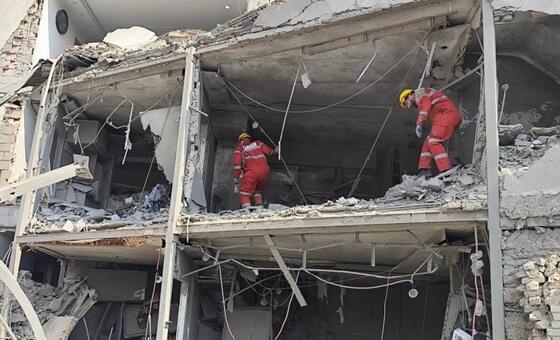
- IAEA said it has been unable to return to Iran’s nuclear sites since they were bombed by Israel and the United States in June, and Iran has not provided an update on the fate of its enriched uranium stockpiles.
- U.S. and Iran reached a tentative agreement to extend a cease‑fire by 60 days, reopen the Strait of Hormuz, and establish a framework for expanded talks on Iran’s nuclear program, pending approval from President Trump and Iranian leaders.
- Marco Rubio gave an optimistic outlook on the talks while testifying before the Senate Foreign Relations Committee and a House Appropriations subcommittee, noting that Iran now agrees to discuss aspects of its nuclear program it previously refused to mention.
- Vice President Vance reported that negotiators are “going back and forth” on deal terms, including Iran’s nuclear capacity, indicating ongoing deliberations despite the tentative cease‑fire extension.
Why it matters: The report’s finding of little change leaves the U.S. and its allies with limited new evidence to pressure Tehran, while Iran’s refusal to update stockpile data and the IAEA’s blocked access erode verification credibility, complicating the fragile cease‑fire extension and any future nuclear agreement.
Ask SkimNews