UK Breaks June Heat Record as Europe Swelters Past 40C — SkimNews

Get the Energy newsletter
Daily energy & climate — solar, EVs, oil, the policy fights and tech bets shaping the transition. Free.
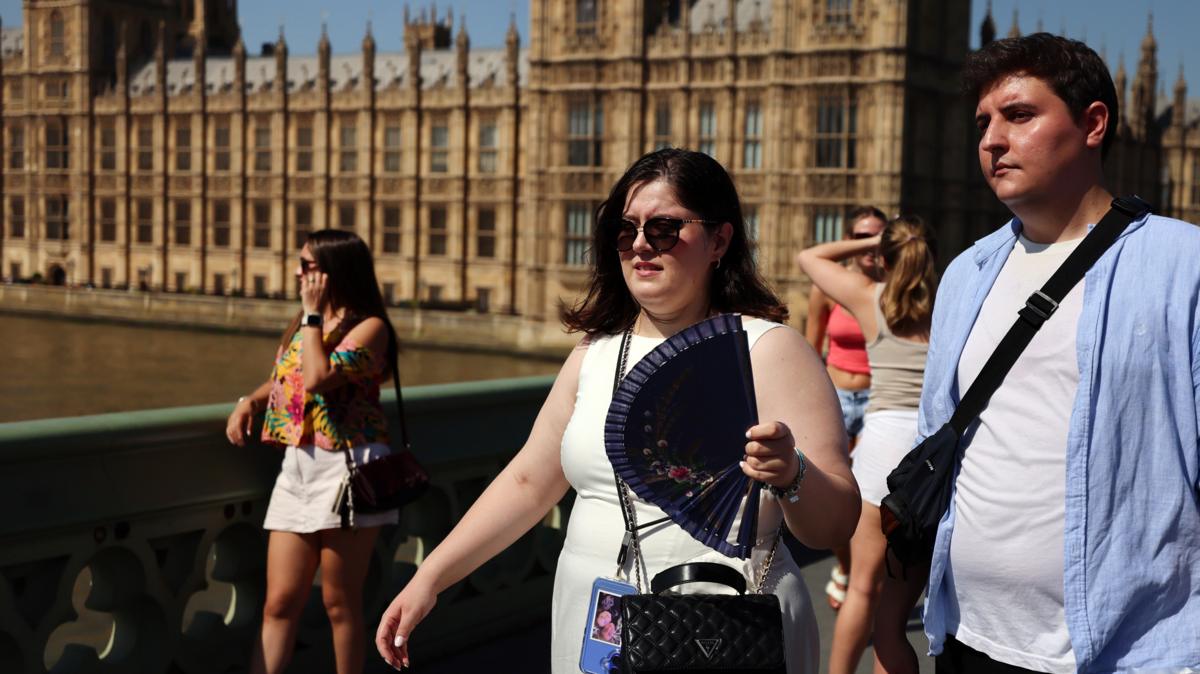
- UK shattered its all-time June temperature record as Wiggonholt in West Sussex hit 35.8C, surpassing Surrey's 35.7C and the 1976 Southampton record of 35.6C.
- Mainland Spain recorded its highest daily average June temperatures since at least 1950, with Bilbao surpassing 39C and only parts of the Basque country remaining under red alert.
- AFP estimated at least 94 million Europeans faced temperatures above 35C, while WHO Director-General Tedros Adhanom Ghebreyesus warned the heatwave is "putting people's health at risk" and that European temperatures are rising at roughly twice the global average rate.
- Belgium set a new June 24 record of 33.2C at Uccle, cancelled roughly one-fifth of trains because old rolling stock lacks air conditioning, and faced forecasts of its hottest-ever night with temperatures between 25-27C.
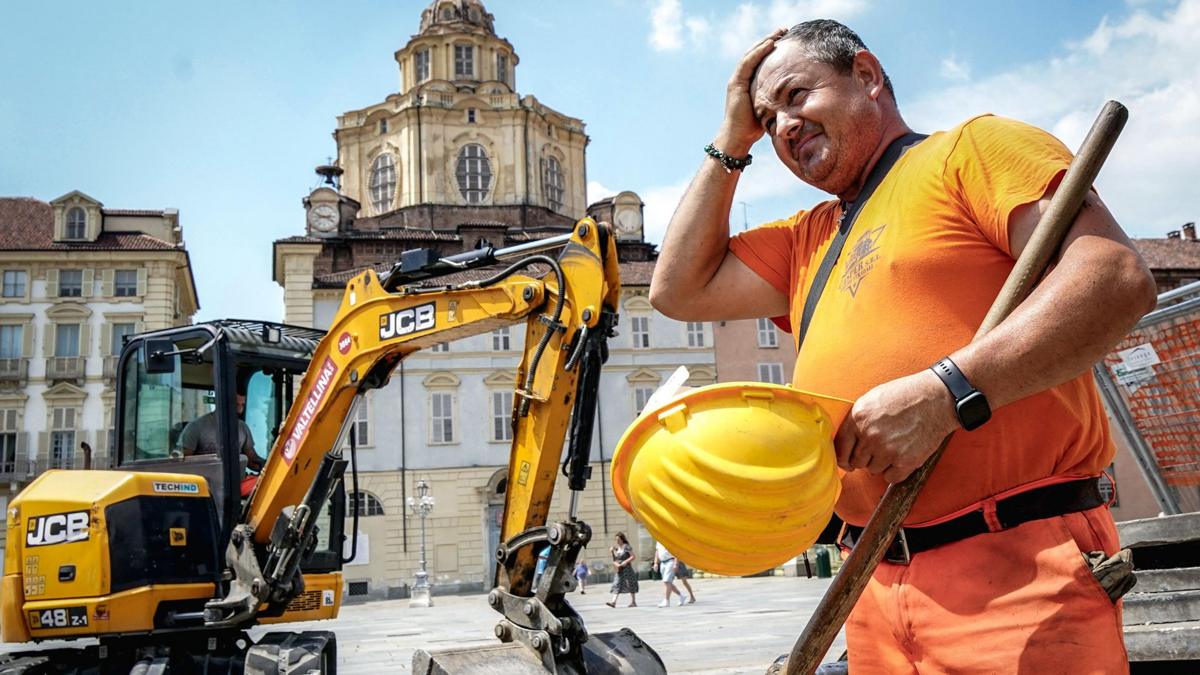
- Italy's Lazio region banned outdoor construction and delivery work from 12:30-4pm, but the order was widely flouted; Greenpeace measured surface temperatures of up to 80C around Rome's Termini station where delivery riders like 22-year-old Omer Iliaz continued working 10-hour shifts.
- UK Education Secretary Bridget Phillipson urged parents to keep sending children to school despite hundreds of closures across England, citing the cost of missed lessons on disadvantaged pupils.
- A Nantes-based translator told reporters she spent €250 in three days on heat-related expenses including taxis and air-conditioned co-working spaces, while a Paris resident fled her top-floor zinc-roofed apartment after her cat overheated and vomited during last year's heatwave.
Why it matters: Europe's heatwave is shattering temperature records dating to 1950 (Spain) and 1976 (UK), with over 94 million people exposed to 35C+ heat. WHO chief Tedros warned European temperatures are rising at twice the global rate, while Belgium cancelled one-fifth of trains and UK schools closed, exposing the gap between infrastructure designed for older climate norms and today's reality.
Ask SkimNews