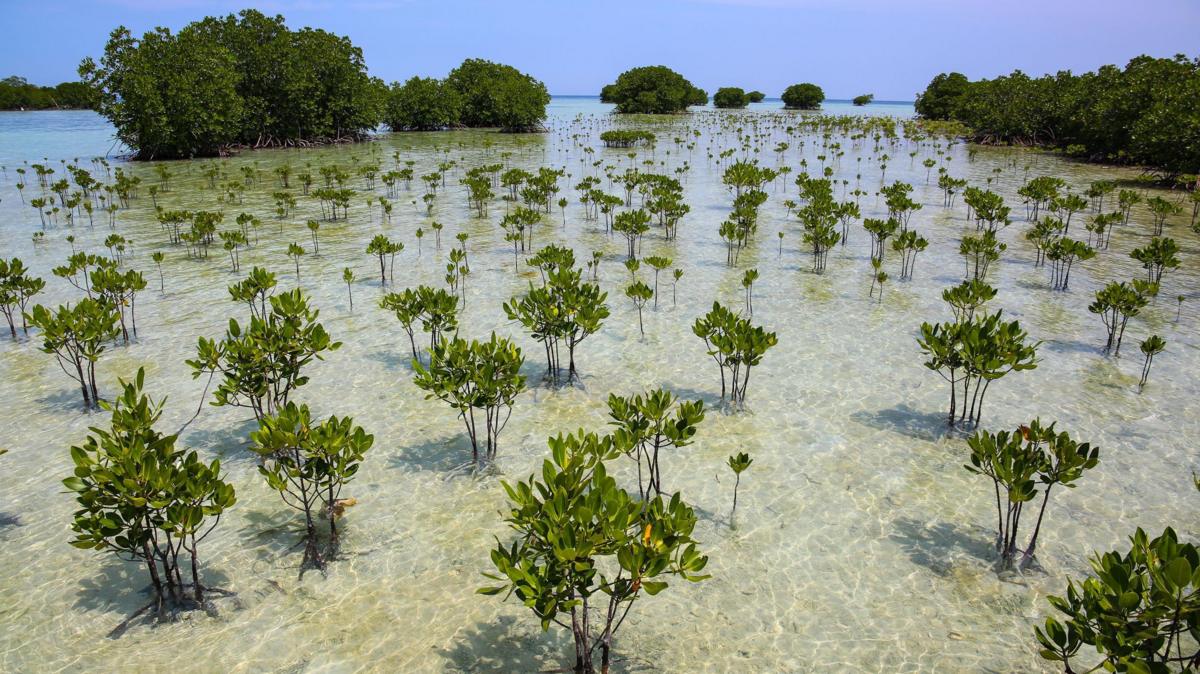
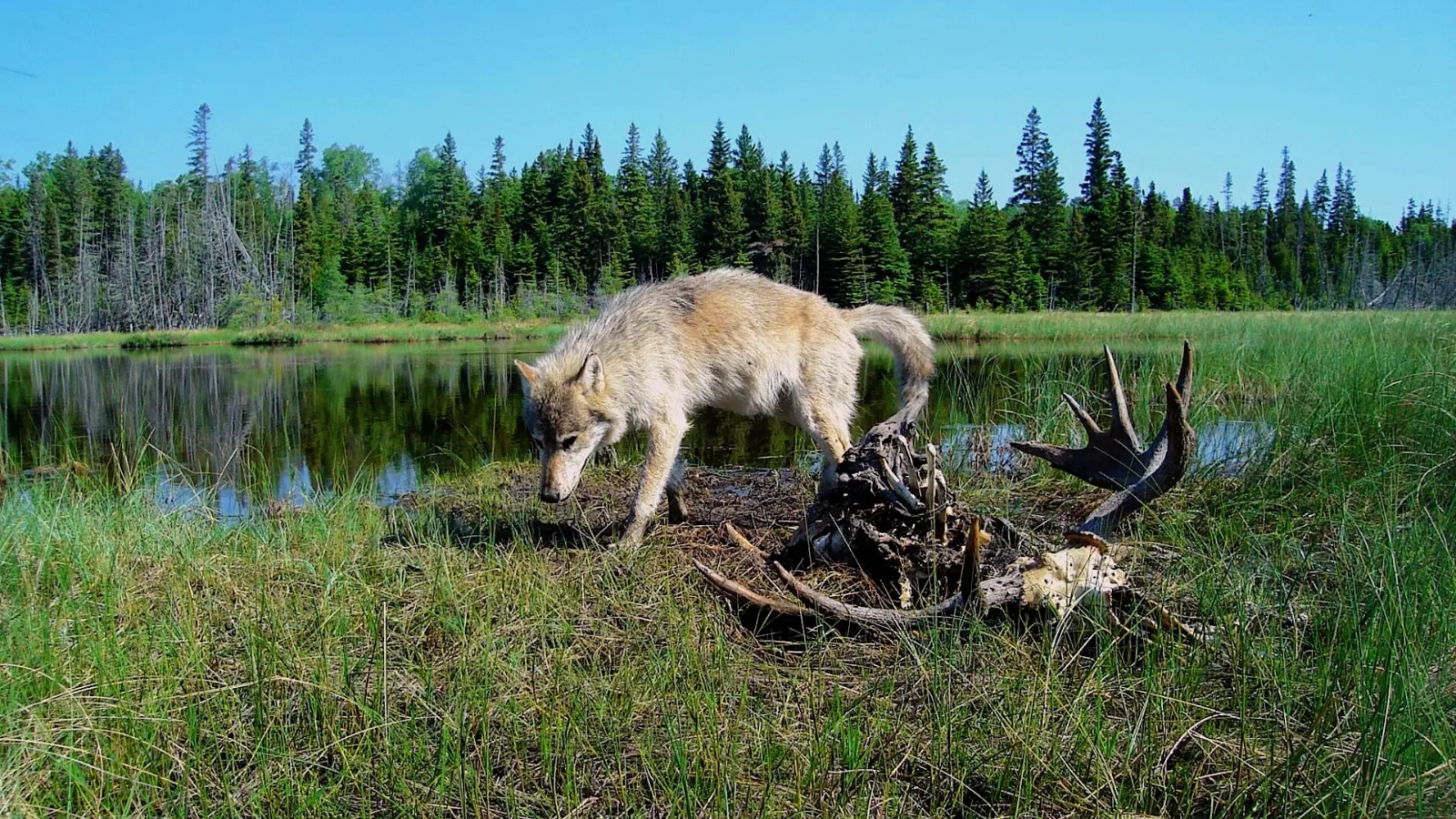
Comebacks for wild tigers, tuna and sea turtles prove nature loss can be reversed, scientists say — SkimNews
Get the Energy newsletter
Daily energy & climate — solar, EVs, oil, the policy fights and tech bets shaping the transition. Free.
- WWF's report, the largest-ever database of vertebrate wildlife covering nearly 36,000 populations across 5,000+ species, found average population declines of 73% since 1970 with "no sign of losses slowing."
- Latin America and the Caribbean recorded the steepest regional drop, with land and freshwater wildlife populations falling 95% between 1970 and 2022, compared with 80% in Africa and 23% in Europe and Central Asia.
- Freshwater wildlife suffered the sharpest losses of any ecosystem, with monitored river and lake populations down 85% globally versus 69% for land species and 59% for marine species.
- Wild tigers grew from roughly 3,200 globally in 2010 to about 5,700 today — a 70%+ increase — after sustained, targeted conservation interventions, according to WWF UK tiger lead Becci May.
- Atlantic and Pacific bluefin tuna, once collapsing from decades of overfishing, have recovered enough that neither is now considered threatened, while the green sea turtle became the first marine turtle ever downlisted from endangered to "least concern" on the IUCN red list after 50 years of coordinated work across ~80 countries.
- WWF UK chief executive Tanya Steele warned that nature loss is now a direct economic threat, noting roughly half of global GDP — about $58tn in 2023 — depends on nature and its ecosystem services.
- Dr Mike Barrett, WWF UK's chief scientific adviser, identified food production as the next critical "positive tipping point," noting agriculture is the single largest cause of habitat loss and drives almost 90% of global deforestation.
Why it matters: WWF explicitly frames food system reform as the next positive tipping point after renewable energy, naming agriculture as the driver of 90% of deforestation and the single largest cause of habitat loss. With roughly half of global GDP — $58tn in 2023 — exposed to nature's collapse, the report recasts biodiversity decline as an economic and security threat rather than purely an environmental one, putting pressure on policymakers and agribusiness to act before irreversible tipping points are crossed.
Ask SkimNews