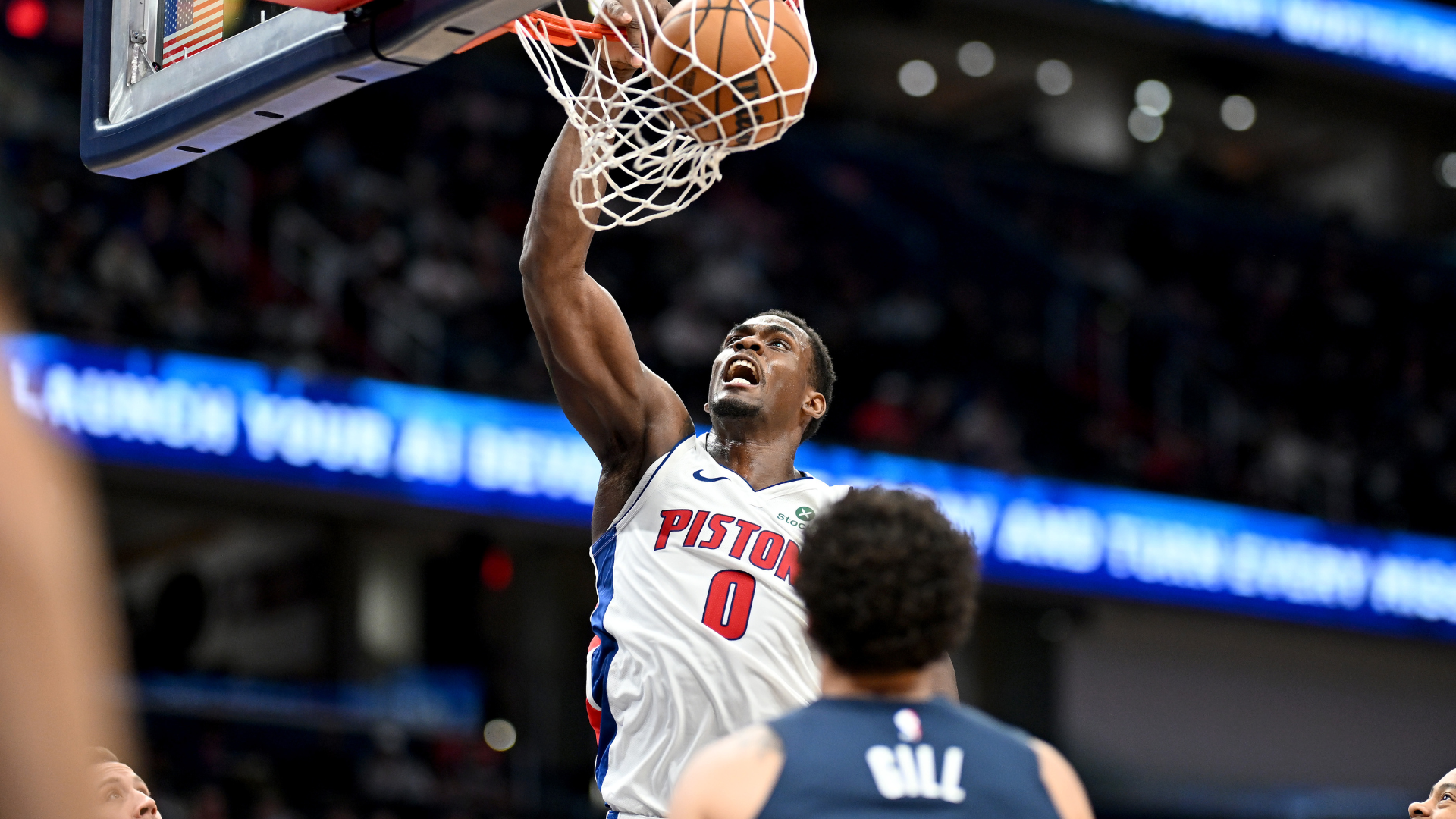
Grading Jalen Duren's $200 million contract: Pistons pay up to keep All-NBA center — SkimNews
Get the Sports newsletter
Daily sports — scores, transfers, the storylines from the leagues you actually follow. Free.
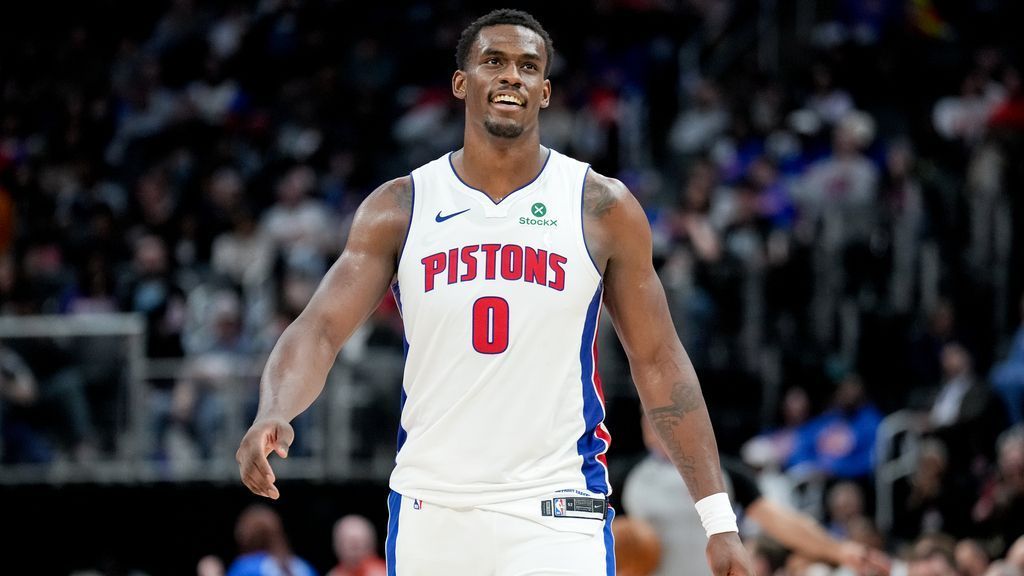
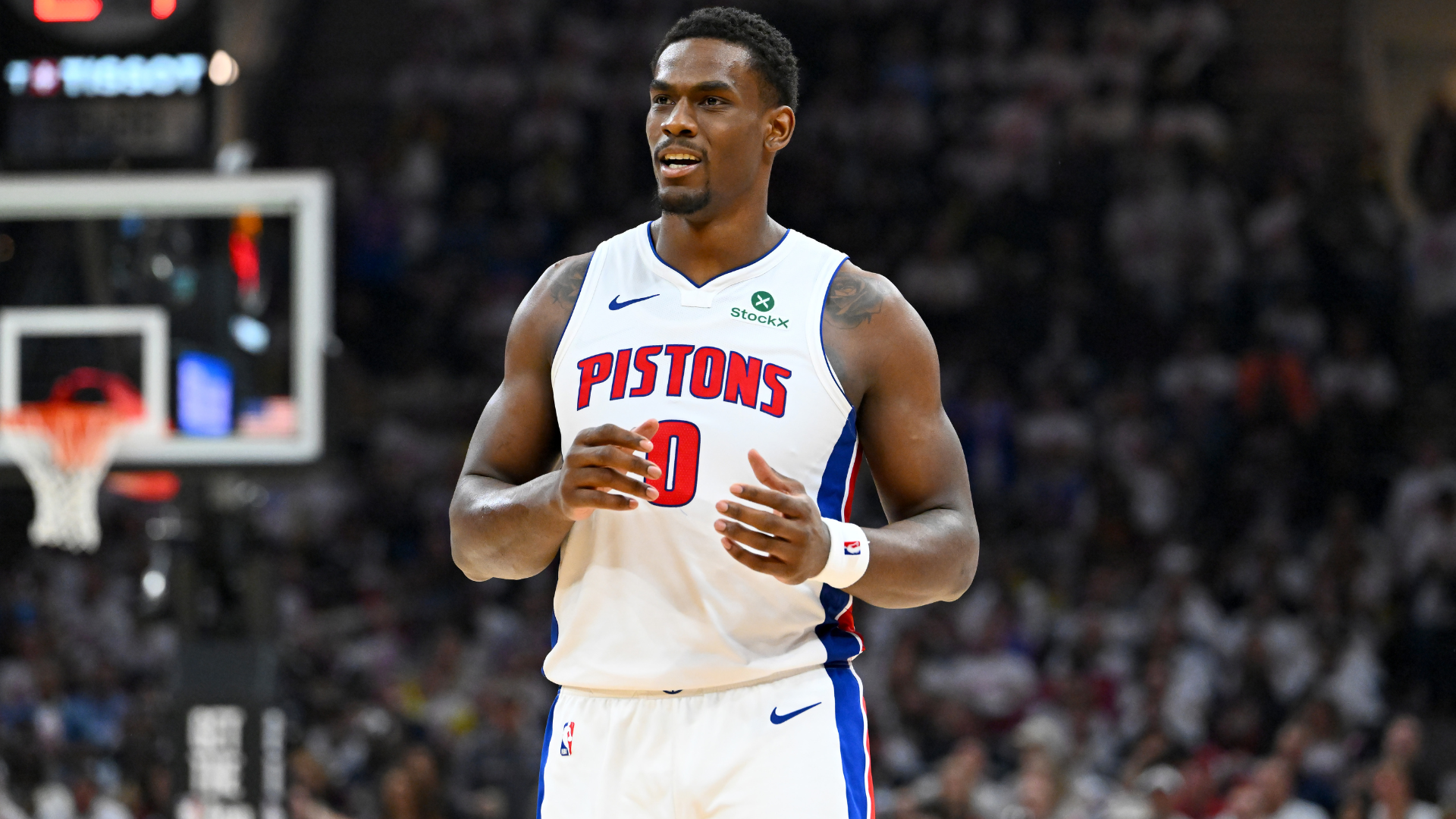
- Jalen Duren agreed to a five-year, $200 million extension with the Detroit Pistons roughly 90 minutes before the qualifying offer deadline Thursday, keeping him under contract through the 2030-31 season after he missed media day and the start of camp.
- Duren was eligible for a Rose Rule max worth roughly $287 million after making an All-NBA team last season, but accepted a deal that pays about $40 million annually and starts at approximately 21% of the salary cap — a structure the article compares to Alperen Sengun's contract.
- The Detroit Pistons raised their initial reported offer of $180-190 million to $200 million and dropped a weight clause despite having no competing offer sheet, with the Sacramento Kings lacking cap space and the Los Angeles Lakers spending their room on Walker Kessler instead.
- The qualifying offer path would have produced approximately $199 million in unrestricted free agency next offseason under current cap projections, eliminating any plausible financial upside for Duren rejecting the extension and betting on himself.
- The Pistons' offer sheet leverage was undermined by the historical rarity of first-round picks taking the qualifying offer — only seven have done so since 2018 — and the cautionary tale of Nerlens Noel, who turned down a four-year, $70 million extension and signed for the minimum a year later.
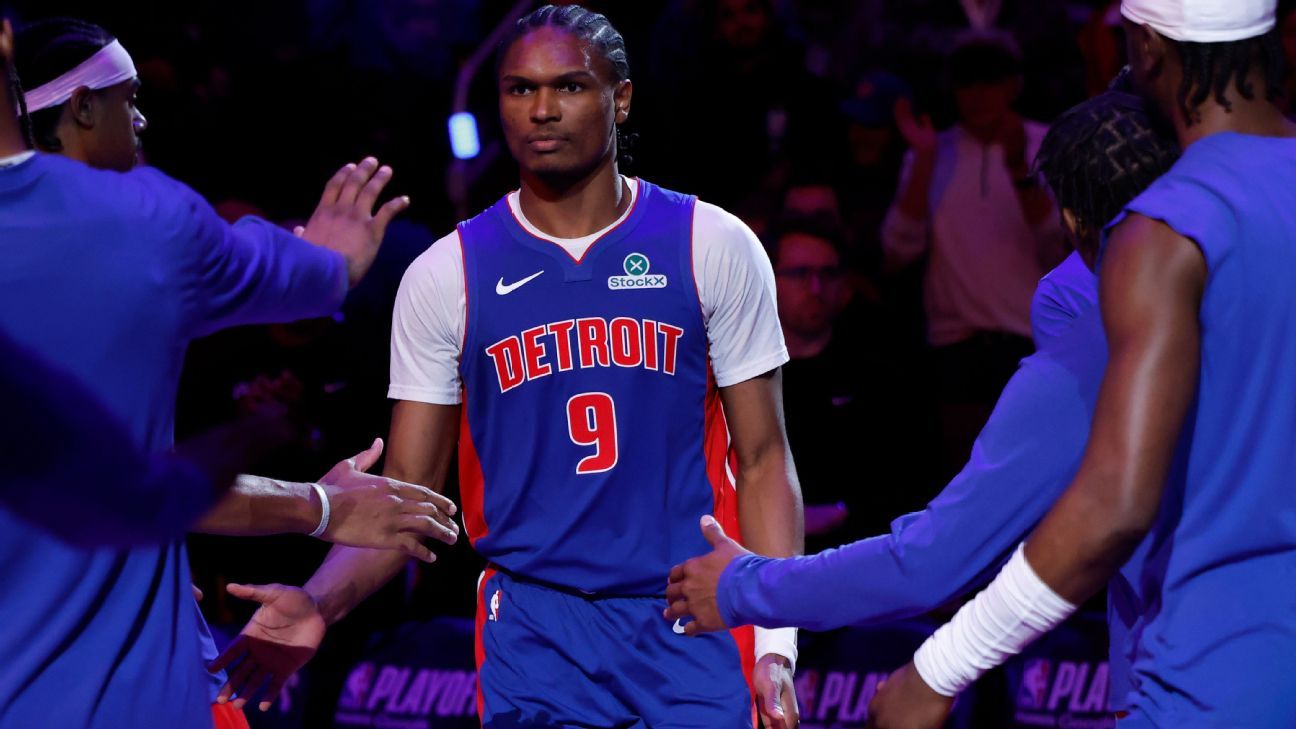
- The Duren-Ausar Thompson pairing lacks 3-point shooting, a flaw the article says the playoffs exposed and that will force Detroit to spend significant resources on a secondary creator to make the duo viable long-term.
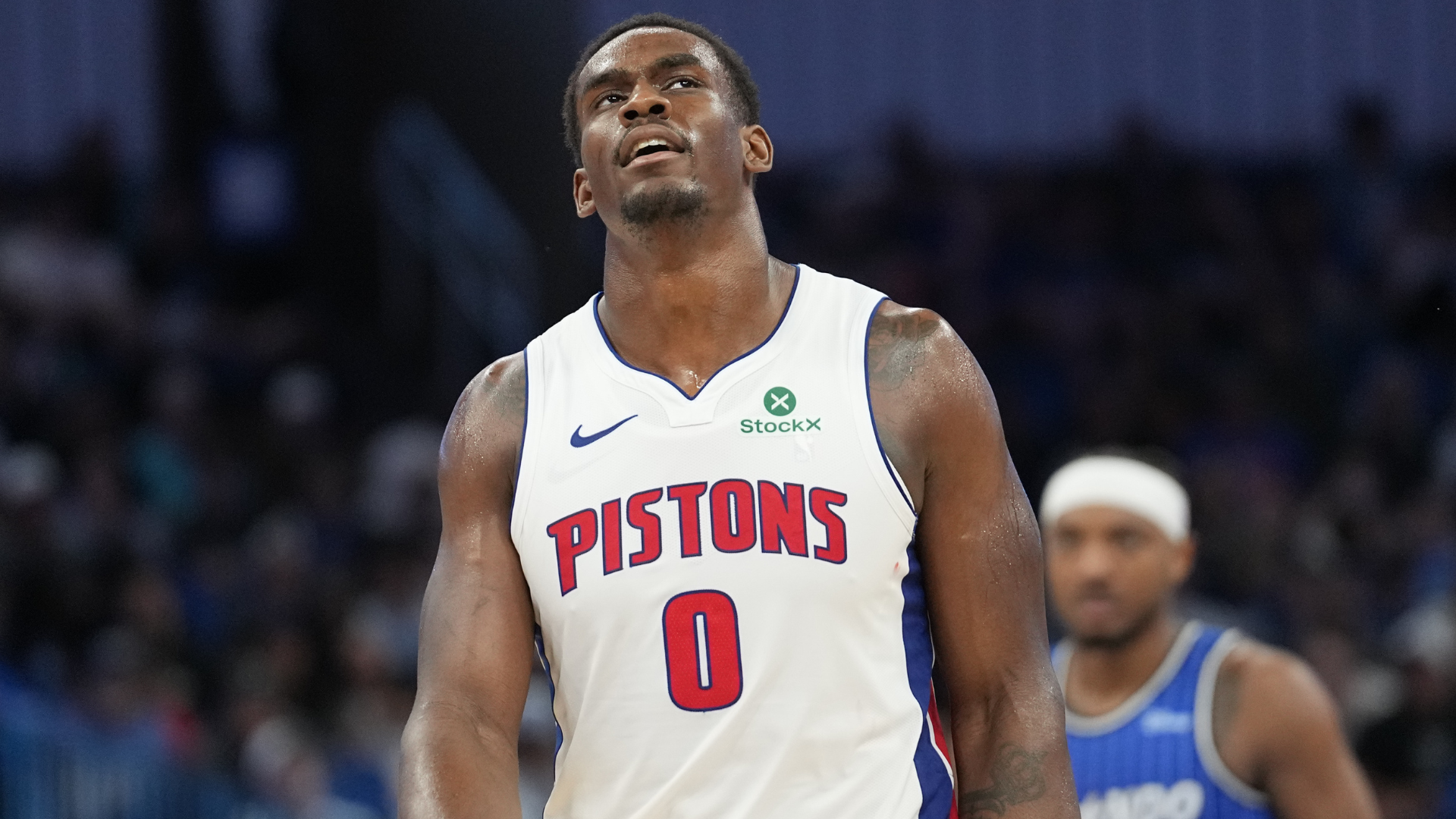
- The deal grades out as a B for Duren and a C+ for the Pistons, with Detroit faulted for bidding against itself and failing to capitalize on Duren's second-round playoff collapse against the Cleveland Cavaliers, where he scored just 12 more points than third-string center Paul Reed in three times the minutes.
Why it matters: Detroit had every practical advantage in this negotiation — no competing offer sheet existed and the qualifying offer was never a credible threat, since only seven first-round picks since 2018 have taken one and most fared poorly — yet still raised its offer by $10-20 million and dropped a weight clause. That extra money now sits on the back of a roster that still needs to spend big to compensate for a center who isn't an elite rim protector or shooter.
Ask SkimNews