Trump's Iran war: allies reject Hormuz coalition, gas spikes — SkimNews
SkimNews Take
Publicly maintained confidence when every available option carries serious risk narrows the political off-ramp, since any shift would contradict the stated posture and invite fresh scrutiny of the decision-making itself.
Get the Geopolitics newsletter
Daily geopolitics — wars, elections, sanctions, the diplomatic moves that move markets. Free.
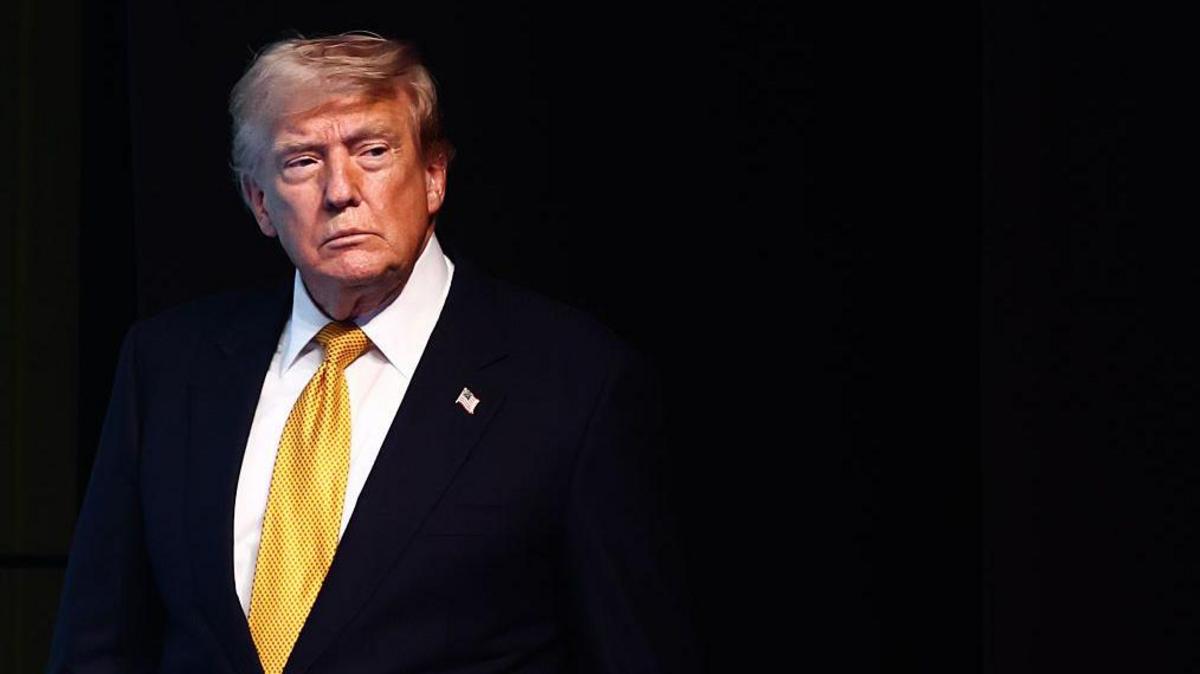
- Trump delayed a planned early-April presidential trip to China by a month, with the White House citing 'Operation Epic Fury' as his 'utmost responsibility.'
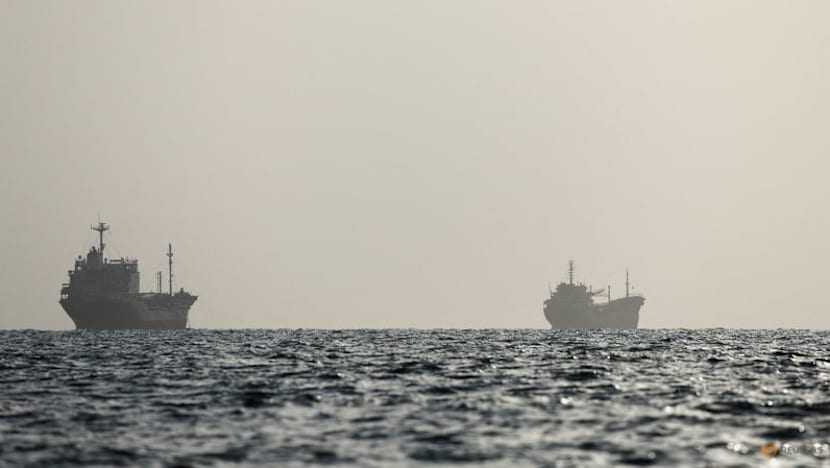
- Trump publicly called for a coalition of China, France, Japan, South Korea, and the UK to secure the Strait of Hormuz, but Japan, Australia, and most European powers have declined to join.
- UK PM Keir Starmer declared 'We will not be drawn into the wider war,' while leaving the door open to a 'viable collective plan.'
- US gas prices climbed to $3.72 per gallon from $2.94 a month ago, a dramatic increase that Ipsos's Clifford Young said 'blows up everything' for Trump's affordability message.
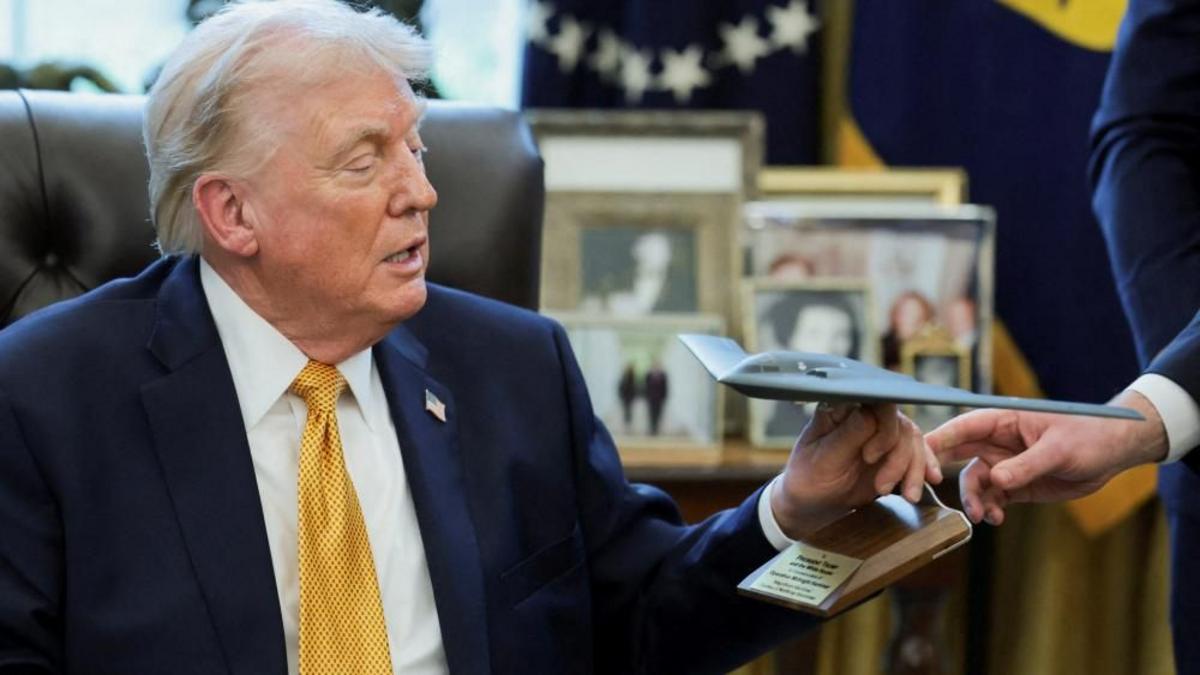
- Trump ordered a 5,000-strong Marine amphibious unit from Japan to the Middle East, putting US ground forces in closer proximity to Iran.
- Trump's approval ratings sit in the low 40s, with Ipsos polling showing erosion at the margins among centrist Republicans and independents wary of another protracted war.
Why it matters: Gas prices jumped from $2.94 to $3.72 a gallon in one month, directly threatening Trump's affordability platform, while allies' refusals to patrol the Strait of Hormuz leave him choosing between committing Marines to a ground operation or winding down a war he called 'already won'—each path carrying political risk seven months before November's midterms.
Ask SkimNews