Waymo's Ojai Robotaxi Launches, Cuts Sensors 42% — SkimNews
Get the Tech newsletter
Daily tech — startups, AI labs, chips, the launches that shape the next decade. Free.
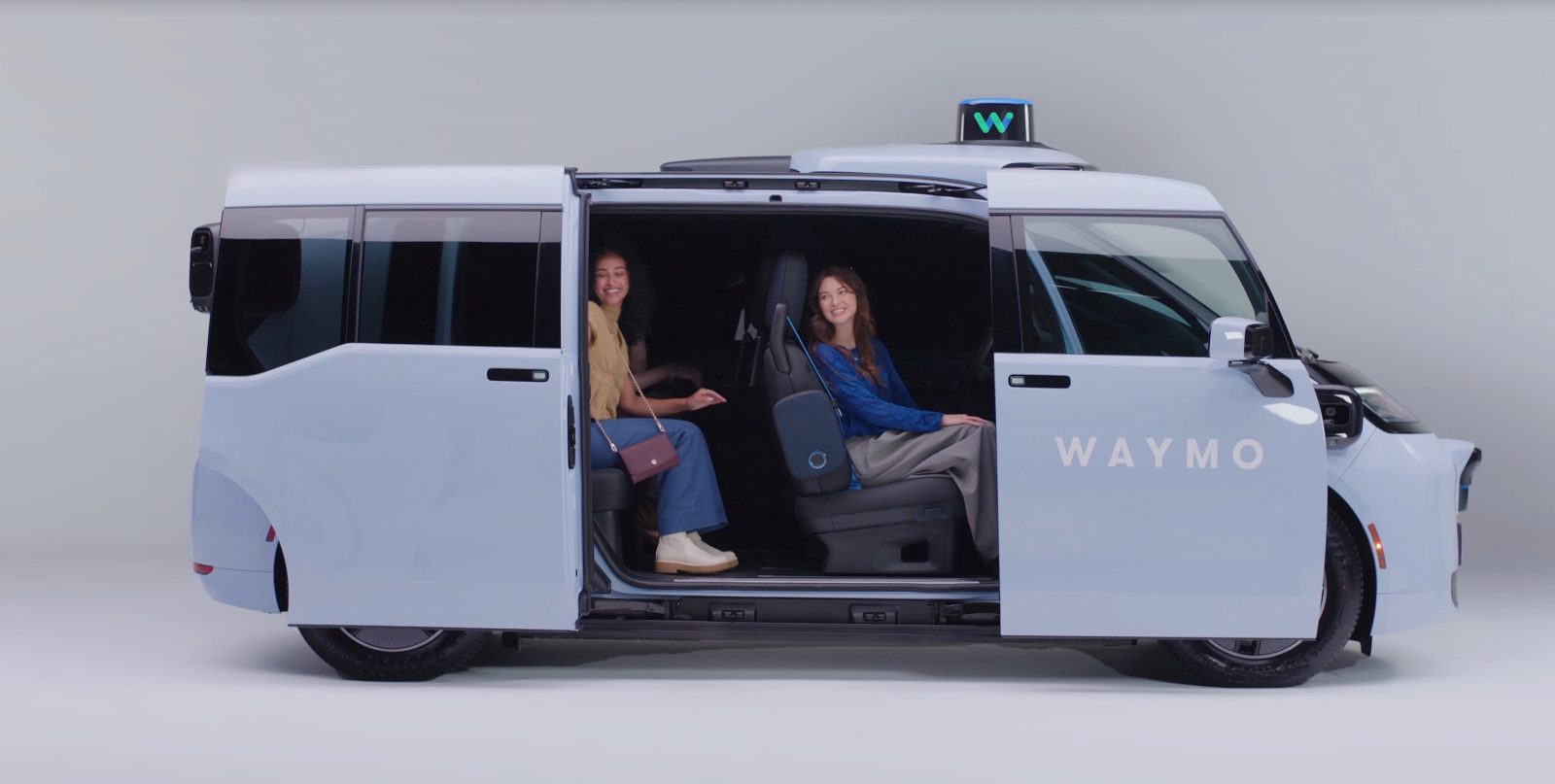
- Waymo launched the Ojai — its first purpose-built robotaxi built by Zeekr and outfitted with Waymo hardware in Arizona — in San Francisco, Los Angeles, and Phoenix, with free trips for select riders and a gradual expansion to more cities.
- The 6th-gen Driver cuts sensor count by 42% (from 29 cameras to 13, five lidars to four) with a hardware cost target under $20,000 per unit, and enables fully autonomous operation in snow — opening markets like Chicago where Waymo is already laying groundwork.
- The Ojai's design prioritizes accessibility and rider experience, featuring a flat floor, low step-in height, braille markings, grab bars, three large adaptive rear screens, and easy-to-clean modular interiors built for fleet-scale maintenance.
- Waymo has surpassed 20 million fully autonomous trips across 11 cities, delivers roughly 500,000 paid rides per week, and operates 3,000+ vehicles covering over 1,400 square miles — a scale no US competitor approaches.
- Waymo's Arizona factory is scaling toward tens of thousands of units annually, starting with the Ojai then the Hyundai IONIQ 5, backed by a $16 billion raise at a $126 billion valuation earlier this year — the largest investment ever in an autonomous vehicle company.
- Tesla runs roughly 25 unsupervised robotaxis across three Texas cities, a fraction of Waymo's fleet, though Waymo recently paused service in several markets after its systems struggled to detect flooded roads.
Why it matters: Waymo's 6th-gen hardware targets under $20,000 per-unit cost while enabling snow operations, dismantling the two structural barriers — sensor expense and climate limits — that have constrained robotaxi scaling. The Arizona factory ramp to tens of thousands of vehicles annually, backed by 20 million lifetime trips and 500,000 weekly paid rides, widens Waymo's operational lead over any US rival.
Ask SkimNews

