ASEAN Leaders Push Oil‑Sharing Pact Amid Iran War
SkimNews Take
Regional economic integration, often driven by shared development goals, can also be a strategic response to external geopolitical instability, creating internal resilience through collective resource management.
Get the Geopolitics newsletter
Daily geopolitics — wars, elections, sanctions, the diplomatic moves that move markets. Free.
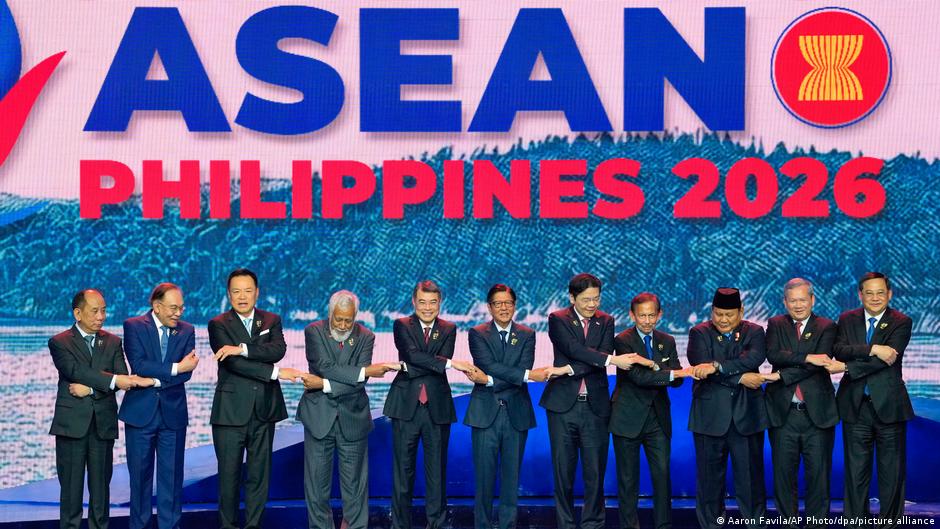
- ASEAN leaders convened in Cebu, Philippines, to coordinate responses to the disruptions caused by the US‑Israeli war with Iran.
- Marcos Jr. urged a collective approach, pushing for an ASEAN‑wide oil‑sharing pact and a regional power‑grid plan to diversify energy sources.
- Draft joint declaration outlines emergency fuel sharing, EV expansion, renewable growth, and civilian nuclear options to bolster energy resilience.
- ASEAN economic ministers identified concrete steps to secure food and energy supplies, though specifics were not disclosed.
- ASEAN also prepared evacuation plans for over 1 million Southeast Asians working in the Gulf, amid rising casualties since the war began on Feb 28.
Why it matters: Southeast Asian nations secure stable fuel supplies and lower transport costs, while the oil‑sharing pact shields vulnerable economies from volatile oil prices, preserving tourism revenues and food‑price stability.