Russia's wartime Duma vote: anti-war party barred from ballot — SkimNews

Get the Geopolitics newsletter
Daily geopolitics — wars, elections, sanctions, the diplomatic moves that move markets. Free.
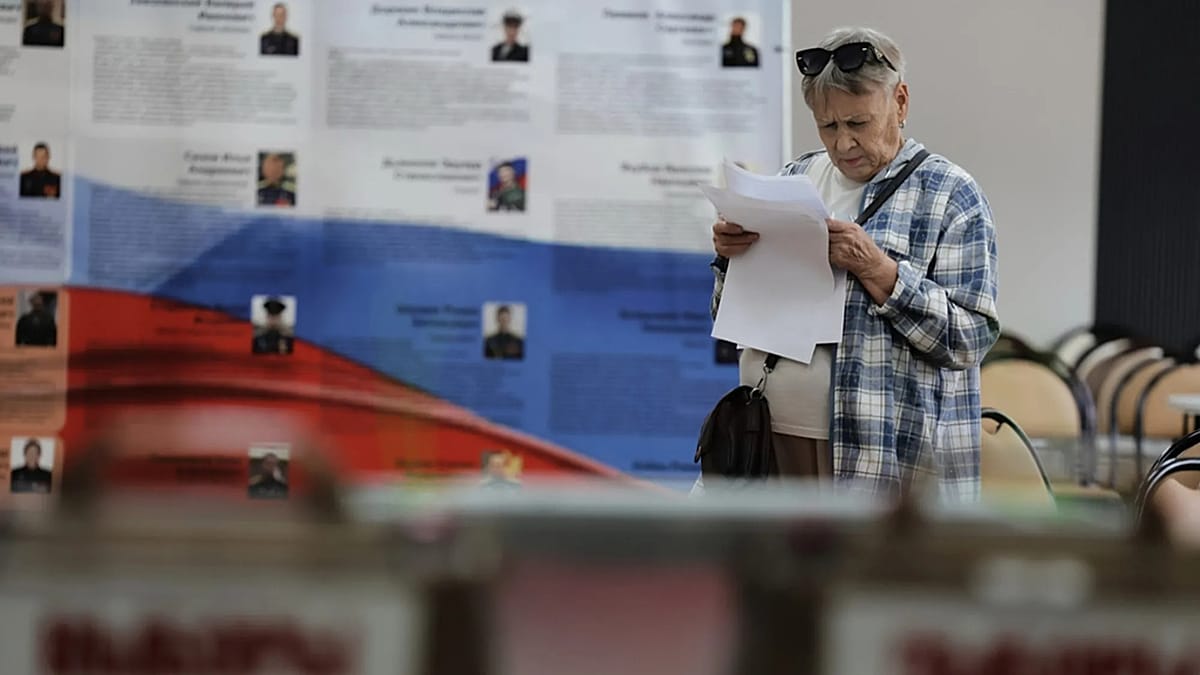
- Russians head to the ballot box this weekend for the first Duma election since the Ukraine invasion began in early 2022, with all 450 seats up for grabs and President Vladimir Putin's United Russia party expected to retain its comfortable majority.
- Putin used his Wednesday address to frame the vote as ratification of the "special military operation," telling Russians that "your choice and determination will show once again that millions of people are backing our fighters," while contrasting Russia's on-schedule elections with what he calls Zelenskyy's failure to hold wartime votes.
- Yabloko, the only major Russian party openly opposing the war and demanding an immediate ceasefire, was removed from the ballot in August after a judge sided with nationalist party Rodina's complaint citing alleged copyright infringement, "extremism" and overseas funding — though individual Yabloko candidates can still run in single-mandate districts.
- Ukraine fired more than 350 drones toward Moscow on Friday morning as voting began, and earlier strikes on Russian oil infrastructure have triggered fuel shortages that send drivers lining up at the few stations still pumping, alongside internet blackouts justified in the name of national security.
- United Russia's candidate slate includes hawkish former president Dmitry Medvedev and Vladislav Golovin, a veteran of the siege of Mariupol, while state TV ads tie the vote to historic Russian warriors with the slogan: "Their voice is the voice of victory. Your vote is the strength of Russia."
- Levada polling captures a split in public sentiment: more than half of Russians support peace talks, yet nearly 70% back the armed forces' actions in Ukraine — a gap underscored by Saint Petersburg psychiatrist Katherine, who told Al Jazeera that her village's mood has shifted toward "radicalisation, militarisation" over the past year.
Why it matters: By stripping Yabloko from the party list and leaning on Medvedev and a Mariupol veteran as headline candidates, the Kremlin removed the only institutional vehicle for an anti-war platform — yet Levada's data shows over half of Russians want peace talks even as 70% back the military, meaning the ballot is measuring manufactured consent, not public appetite. With 350 Ukrainian drones striking Moscow on voting day and fuel shortages forcing drivers into queues, the home-front costs of the war are now intruding directly on the polling station.
Ask SkimNews