Russia starts nuclear drills amid Ukraine drone attacks — SkimNews
SkimNews Take
The simultaneous escalation of conventional attacks and nuclear drills indicates a strategy where the threat of strategic retaliation is used to deter a wider response to tactical setbacks.
Get the Geopolitics newsletter
Daily geopolitics — wars, elections, sanctions, the diplomatic moves that move markets. Free.
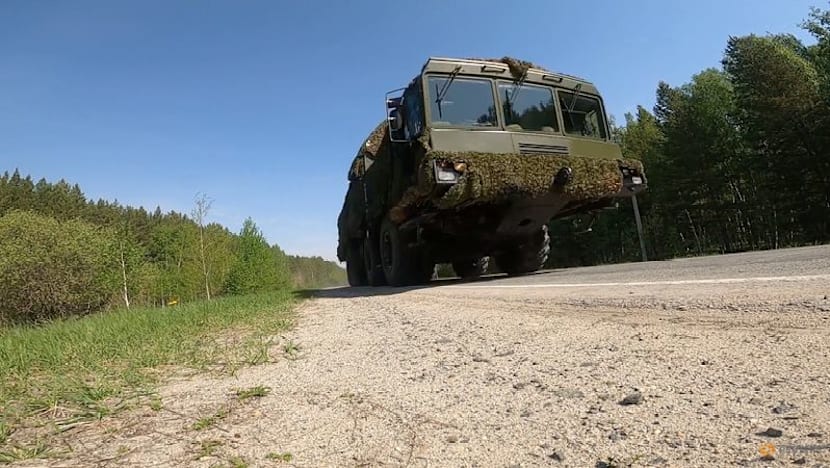
- Russia began massive nuclear‑force manoeuvres on May 19, 2026, with practice launches of nuclear‑capable ballistic and cruise missiles.
- Russia deployed 64,000 troops, over 200 missile launchers, 140 aircraft, 73 warships and 13 submarines—including eight ICBM‑armed subs—in the three‑day drill.
- Russia coordinated the drills with Belarus, where it fields the Oreshnik intermediate‑range nuclear‑capable missile system.
- Ukraine intensified drone attacks, striking Moscow’s suburbs and killing three civilians in a weekend barrage.
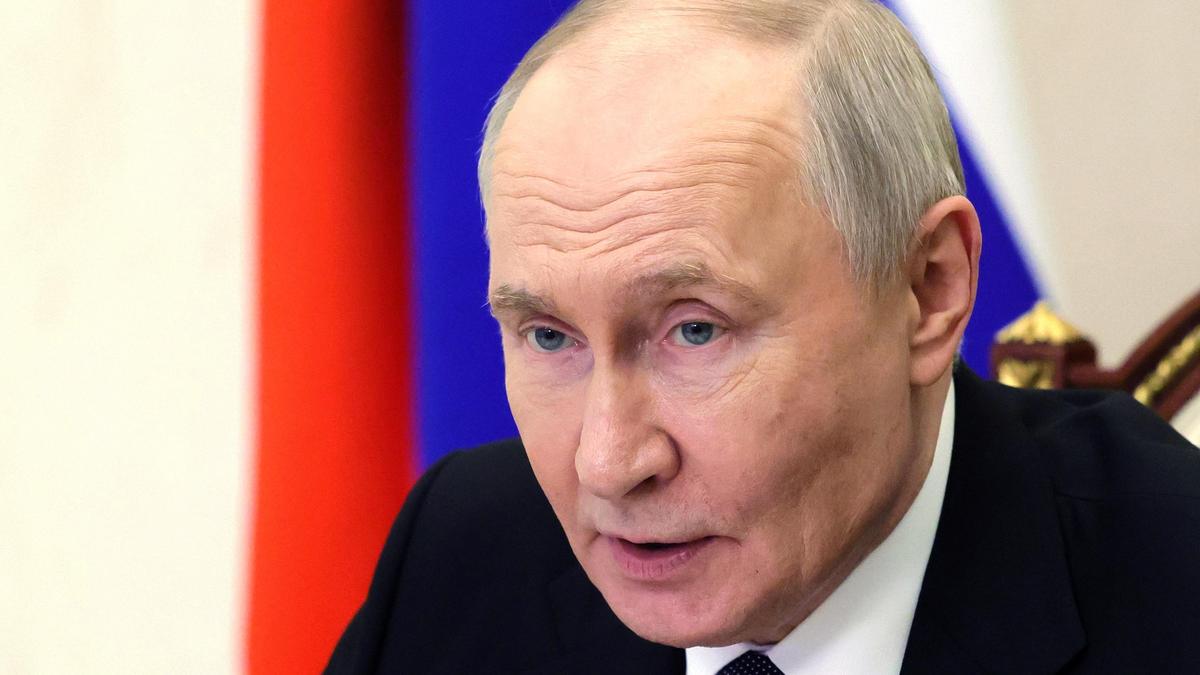
- Putin began a two‑day state visit to China on the same day as the drills.
Why it matters: Russia’s massive drill signals a hardened deterrence response to Ukraine’s intensified drone campaign, bolstering Kremlin’s strategic posture while exposing Russian civilians to greater conflict spillover and prompting heightened international scrutiny.
Ask SkimNews