Pentagon Report Reveals US War Losses to Iran — SkimNews

Get the Geopolitics newsletter
Daily geopolitics — wars, elections, sanctions, the diplomatic moves that move markets. Free.
- Pentagon watchdog published the first official account of US losses in the Feb 28–June 30 war, documenting dozens of destroyed aircraft and hundreds of damaged buildings across bases in Kuwait, Bahrain, Qatar, UAE, Saudi Arabia, Iraq, Oman, and Jordan—far more than previously acknowledged.
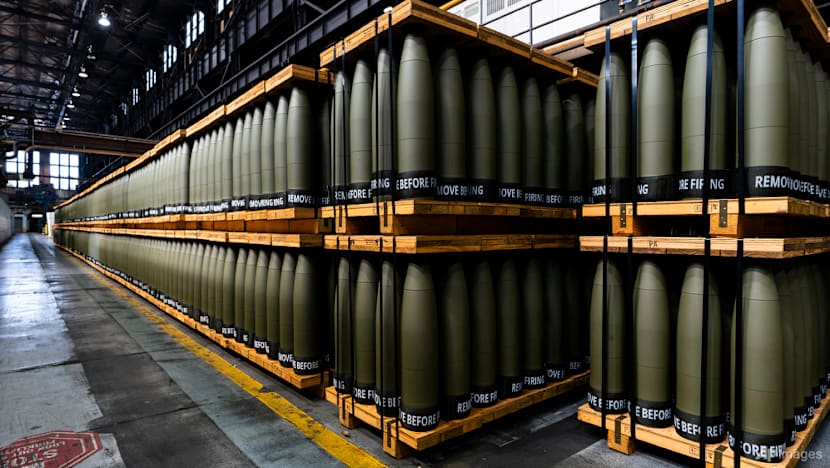
- The report directly contradicts President Trump, acknowledging munition stockpile shortages and supply chain "bottlenecks" despite his claims of "virtually unlimited" ammunition and record weapons production; $22bn was spent on expended munitions and total war costs hit $33bn in the period.
- At least 11 US military personnel were killed in action and 417 wounded by Iranian strikes, including six at Kuwait's Port Shuaiba on March 1, three at Jordan's Muwaffaq al-Salti airbase on July 17, and one at Iraq's Erbil airbase on July 19.
- Aircraft losses include at least four F-15E fighters (three lost to friendly fire over Kuwait on March 1), seven KC-135 refueling tankers, one F-35A damaged, 30 MQ-9 Reapers destroyed, an AH-64 Apache shot down near the Strait of Hormuz on June 8, and a $240m MQ-4C Triton that crashed in April.
- CENTCOM cited major challenges establishing adequate naval bases, noting that shifting logistics to Diego Garcia requires 14- to 18-day sea transit cycles, while US diplomatic facilities in Iraq, Kuwait, Saudi Arabia, and UAE sustained an estimated $184m in Iranian-caused damage.
- The US and Iran remain locked in a diplomatic deadlock with the Strait of Hormuz—the global oil chokepoint—almost entirely blocked.
Why it matters: The Pentagon's own watchdog publicly contradicts the White House narrative on military readiness, admitting munitions shortages and supply chain "bottlenecks" while quantifying $22bn in munitions and $33bn total war costs—evidence the Iran campaign has been far more costly and damaging than publicly stated, with the Strait of Hormuz still almost entirely blocked.
Ask SkimNews