Duke's $23M Data Center Tests Its Climate Pledge — SkimNews
Get the Energy newsletter
Daily energy & climate — solar, EVs, oil, the policy fights and tech bets shaping the transition. Free.
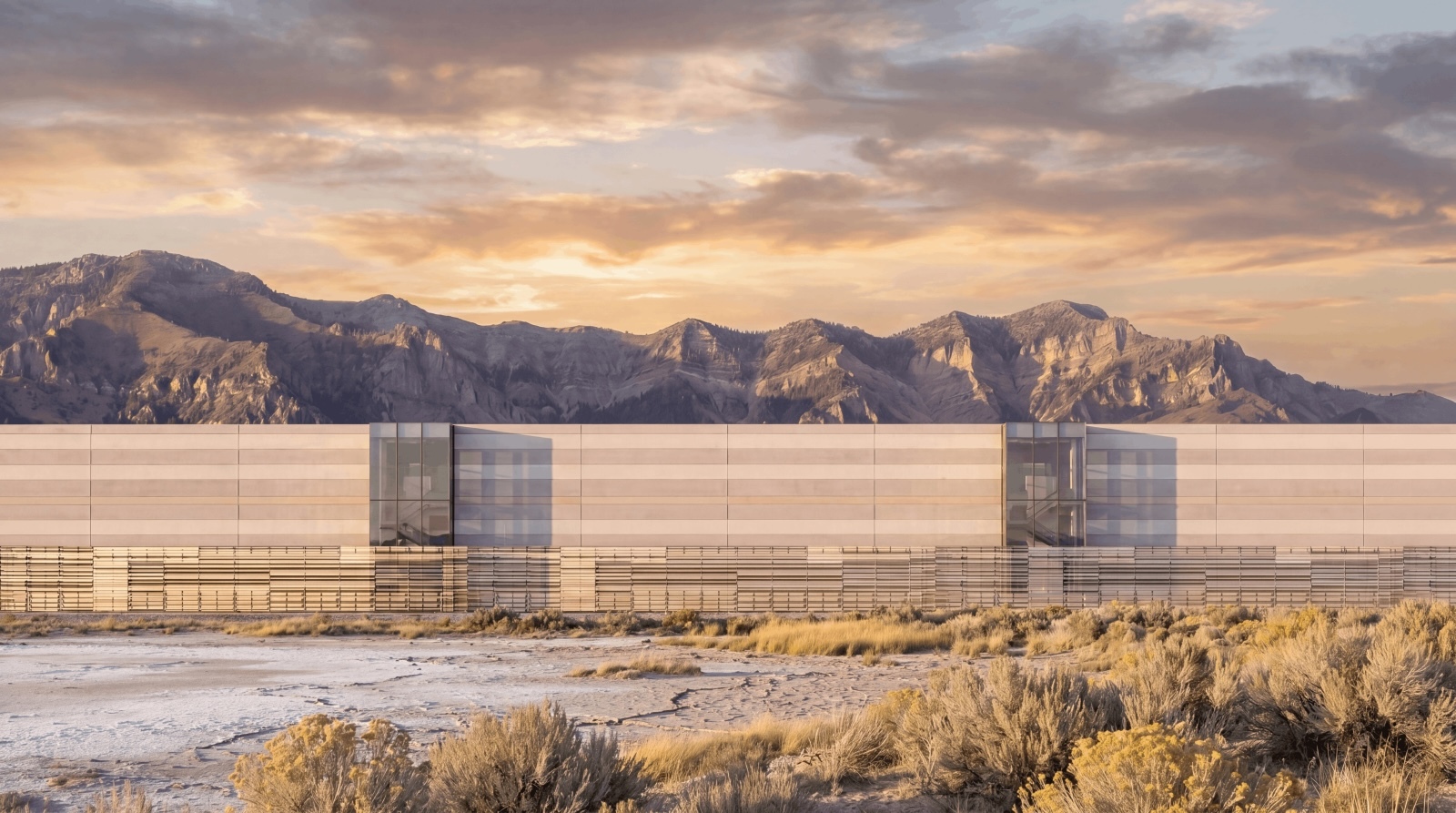
- Duke University began site preparation this week on a $23 million, 1.5-megawatt data center on 12 acres along Yearby Avenue, with construction expected to finish next year and potential expansion to 3 megawatts
- Duke's data center could raise the university's main-campus energy consumption by 2-3% at peak load; the school is exploring renewable energy options but did not provide water-usage estimates to Inside Climate News
- Duke achieved carbon neutrality in 2024 and 2025, but 65% of that reduction came from offsets—manure digesters at Washington state dairy farms, a Montana landfill-gas facility, and refrigerant-destruction projects in the U.S. and Thailand—while March Academic Council minutes state Duke will not be carbon neutral after this year
- Provost Alec Gallimore told the Academic Council Duke could 'put nodes all over place,' siting smaller data centers where there's hot-water demand and sustainable energy to 'bridge the gap between the growth in AI and the sustainability of our planet'
- CIO Tracy Futhey said the facility will cool computers with water and pipe the hot water to the university's and health system's heating plant, a design Duke says eliminates external chiller units and noise impacts on nearby schools and the Ronald McDonald House
- Durham's building permit was issued April 8, a month before the City Council adopted a 60-day data center moratorium; the city says secondary facilities like Duke's are exempt, and the prior permit also shields the project from a planned two-year hyperscale moratorium
- Durham is in extreme drought with just over four months of easily accessible water left; the city's Department of Water Management told Inside Climate News Duke has not shared any projected water usage for the facility
Why it matters: Duke's first on-campus data center opens the same year its carbon-neutral status expires, and because 65% of that neutrality was purchased offsets, the school can no longer claim climate leadership by buying its way out. By filing its building permit a month before Durham's moratorium—and securing an exemption for university-affiliated facilities—Duke locked in a project that will add 2-3% to its energy load while local water reserves shrink to roughly four months.
Ask SkimNews