Kim Rejects Seoul Thaw, Calls South 'Most Hostile State'
Get the Geopolitics newsletter
Daily geopolitics — wars, elections, sanctions, the diplomatic moves that move markets. Free.
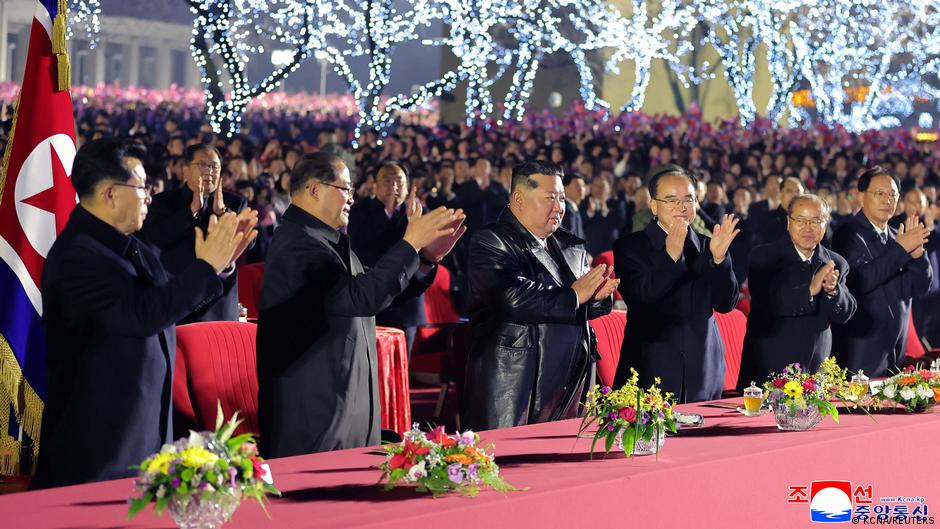
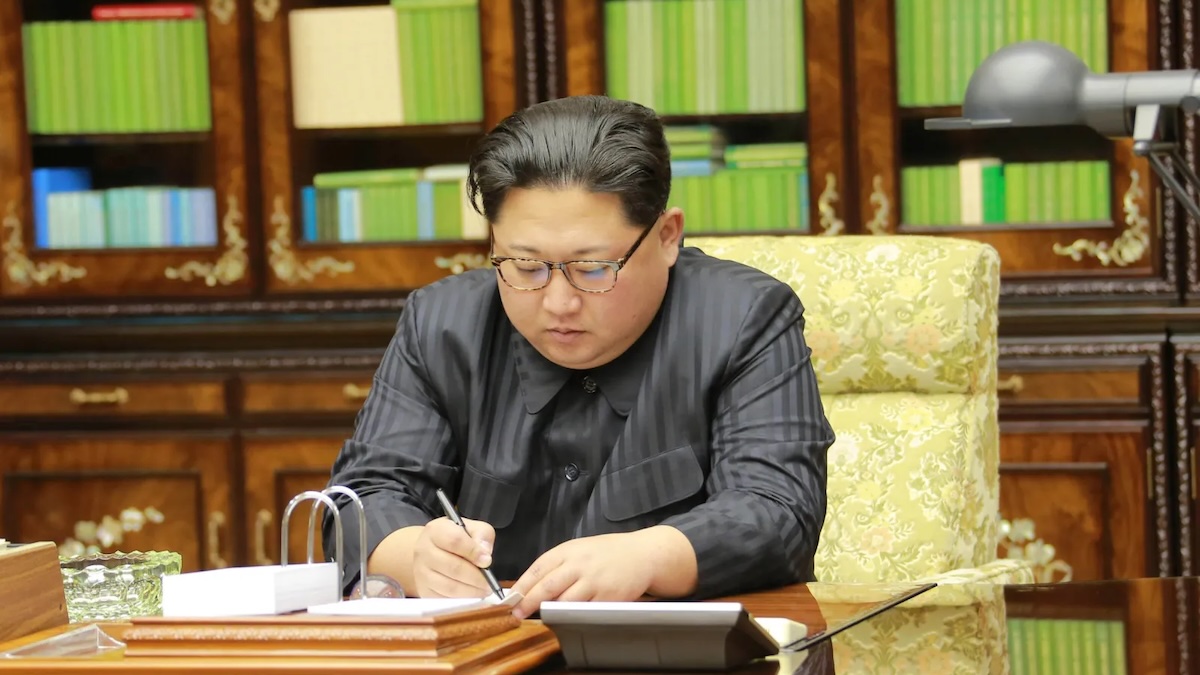
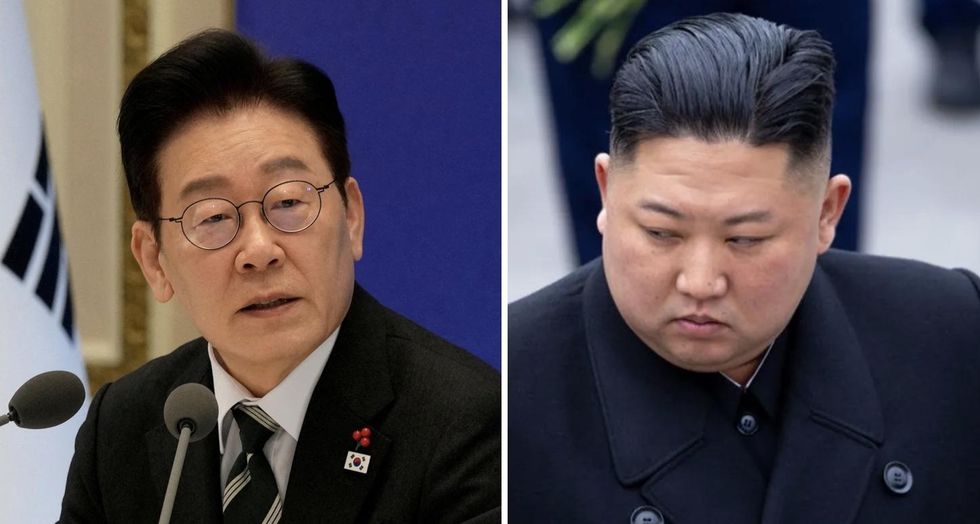
- Kim Jong Un on March 23 reiterated that North Korea views South Korea as the 'most hostile state' and does not intend to seek detente, despite President Lee Jae-myung's June 2025 pledge to break the deadlock through dialogue and engagement
- South Korea under Lee removed border propaganda loudspeakers, banned civic groups from launching anti-North leaflets across the border, and ended the Yoon-era 'tit-for-tat' response to North Korean missile provocations
- Pyongyang reciprocated in limited ways — withdrawing its own propaganda loudspeakers and reducing missile provocations — but has refused dialogue and maintained an overall hostile, dismissive stance toward Seoul
- From North Korea's perspective, Seoul lacks the diplomatic leverage to move U.S. policy, and Washington exerts decisive influence over the issues that matter to Pyongyang: nuclear talks, U.S.-South Korea joint military drills, sanctions, and a permanent end to the Korean War
- The article argues South Korea may need to fundamentally rethink its denuclearization and unification policies, noting the vast majority of South Koreans now believe North Korean denuclearization is impossible and many also view unification as unnecessary
- Trump could strike a deal with Kim focused on arms control rather than denuclearization, and U.S. strategic assets are already being redeployed from South Korea to the Middle East for the U.S.-Iran war, weakening extended deterrence
Why it matters: South Korea faces a stark policy dilemma: its constitutional commitment to denuclearization and unification alienates Pyongyang, U.S. strategic assets are being redeployed from the peninsula to the Middle East, and an inflexible denuclearization stance gives Pyongyang an incentive to sideline Seoul from any Trump-Kim deal on arms control.
Ask SkimNews