Senate Advances Sanctions Bill Targeting China, India Oil Buys

Get the Geopolitics newsletter
Daily geopolitics — wars, elections, sanctions, the diplomatic moves that move markets. Free.
- U.S. Senate voted 86-12 on July 28, 2026, to invoke cloture on the Lindsey O. Graham Sanctioning Russia and Iran Act of 2026, hours after a farewell service for Graham, who died July 11; Ukrainian President Volodymyr Zelenskyy watched from the Senate gallery while in Washington for the funeral
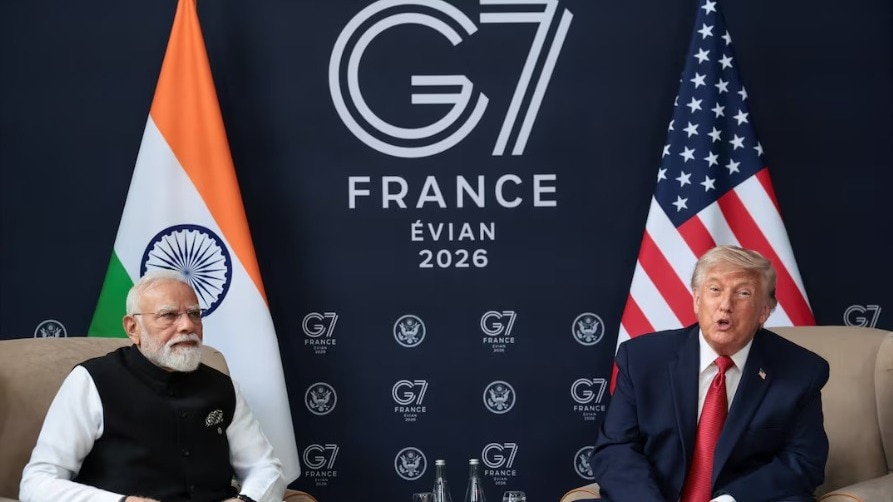
- The bill empowers Trump to impose tariffs up to 100% on the five largest purchasers of Russian oil and gas, with Senator Richard Blumenthal explicitly naming China and India as 'the main culprits' purchasing 'the vast majority' of Russian energy
- Section 113 also captures Slovakia, Hungary, and Azerbaijan among the top Russian oil buyers, requiring the U.S. Trade Representative to reassess the top-five list every 180 days to adjust tariff rates based on purchasing behavior
- Iran provisions — added at Trump's instance — extend the Iran Sanctions Act for an additional five years, keeping secondary restrictions in place through 2031
- House Democrats are resisting the bill over expanded tariff authority, with Ways and Means ranking member Richard Neal and Finance ranking member Ron Wyden calling it 'extremely dangerous' to give Trump 'massive new tariff powers'
- The legislation carries 62 co-sponsors and includes a five-year sunset clause on the new tariff authority, ensuring the powers do not become permanent without renewal
Why it matters: Handing Trump up to 100% tariff authority against China and India — the two largest Russian oil buyers — alongside Slovakia, Hungary, and Azerbaijan, the bill also extends Iran sanctions through 2031. With an 86-12 cloture vote and 62 co-sponsors, the Senate is poised to pass it; the real fight shifts to a House Democratic caucus already on record opposing expanded tariff power.