Senate 86-12 vote fast-tracks Russia-Iran sanctions bill — SkimNews

Get the Geopolitics newsletter
Daily geopolitics — wars, elections, sanctions, the diplomatic moves that move markets. Free.
- US Senate voted 86-12 to invoke cloture and fast-track the bipartisan "Lindsey O Graham Sanctioning Russia and Iran Act of 2026," which is widely expected to pass the full chamber
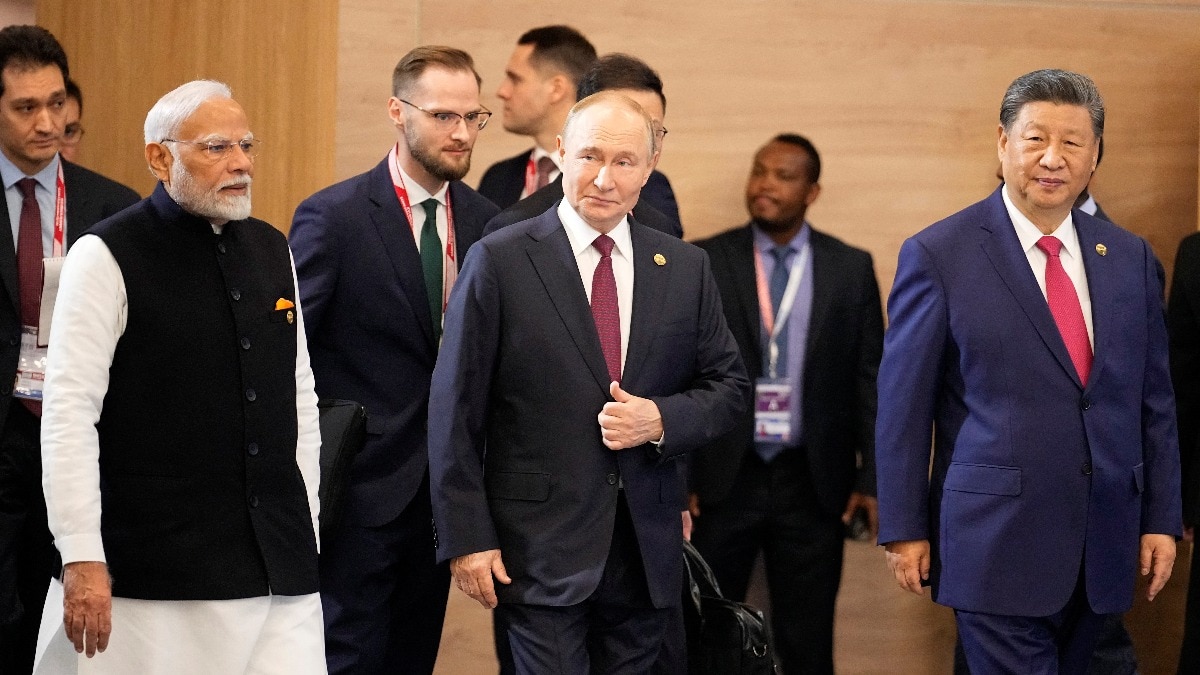
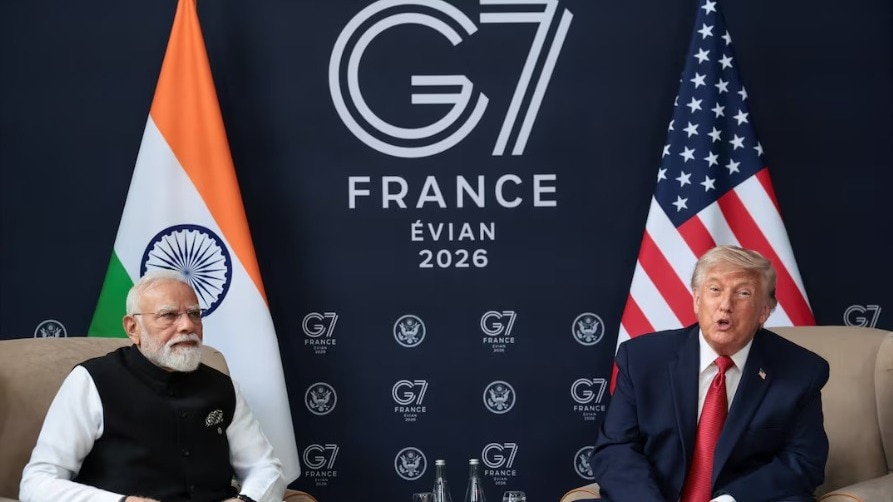
- Senator Richard Blumenthal said the bill allows the president to impose tariffs of up to 100% on the top five purchasers of Russian oil and gas, calling China and India "the main culprits" who are "fuelling Russia's war machine"
- Section 113 of the bill names China, India, Slovakia, Hungary, and Azerbaijan as the targeted top-five purchasers, with the US Trade Representative required to reassess the list every 180 days
- The legislation extends the Iran Sanctions Act for five more years, keeping secondary restrictions in place until 2031, while limiting the new tariff authority itself to a five-year sunset
- The cloture vote came hours after senators attended the funeral service for Senator Lindsey Graham, who died July 11; visiting Ukrainian President Volodymyr Zelenskyy watched the vote from the Senate gallery, waving and smiling
- House Democrats Richard Neal and Ron Wyden called it "extremely dangerous" to give Trump "massive new tariff powers," signaling resistance to the bill in the lower chamber
- The bill has 62 co-sponsors and combines Russia-focused primary and secondary sanctions (targeting oligarchs, banks, and the shadow fleet) with Iran provisions added at the president's request
Why it matters: China and India—the world's two largest oil importers—face potential 100% tariffs under Section 113, while Iran sanctions get locked in through 2031. The bill's near-unanimous 86-12 Senate support masks a potential House fight, where Neal and Wyden have already publicly opposed expanding Trump's tariff authority—putting final passage in doubt despite the Senate's overwhelming cloture margin.
Ask SkimNews