Barry Edwards' anti‑EphA2 minibody lights tumors — SkimNews

Get the Health newsletter
Daily health & science — research, biotech, public health, the studies worth knowing. Free.
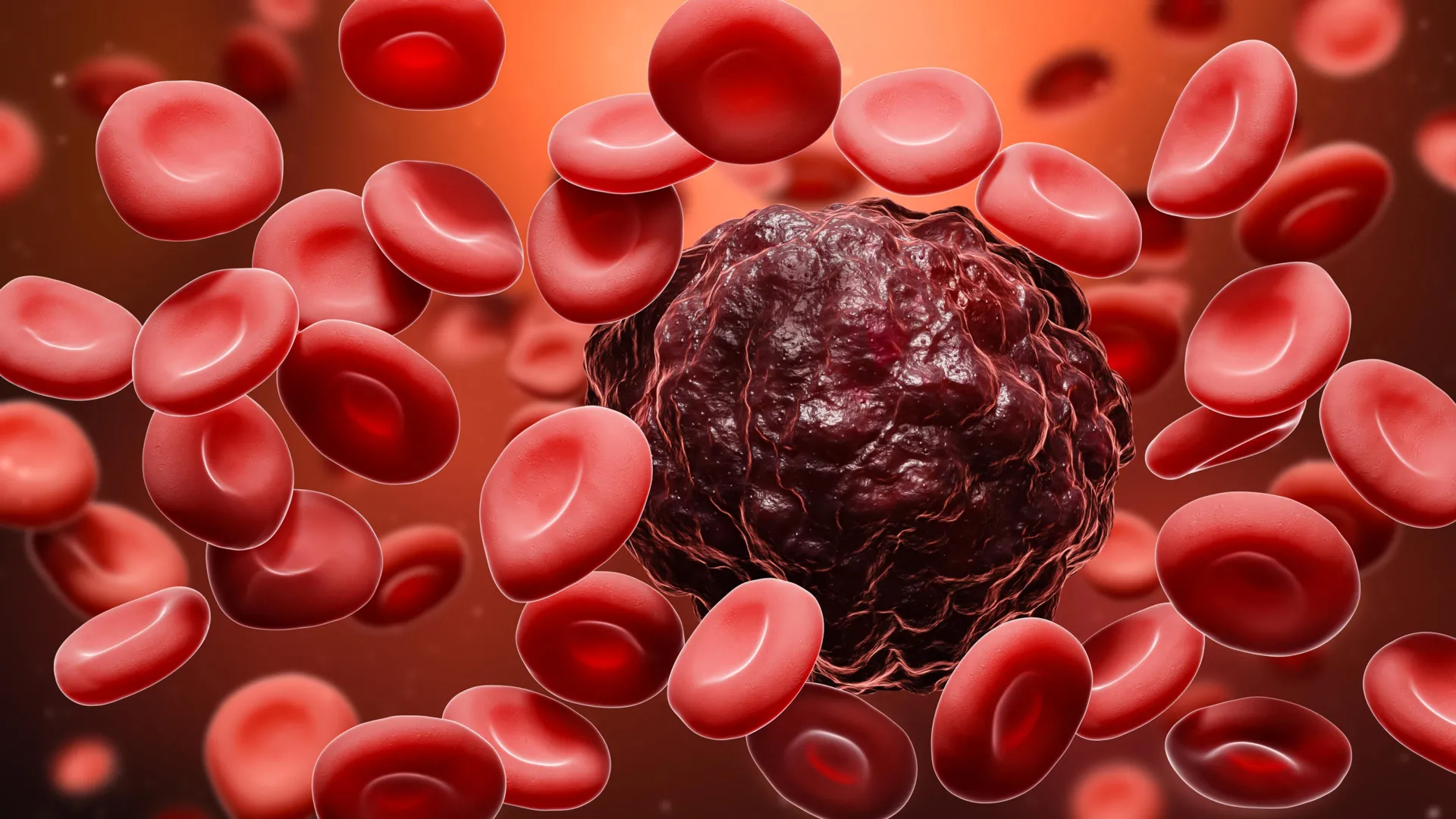
- Barry Edwards designed a tiny minibody that targets the cancer protein EphA2 and attached a radioactive marker for PET imaging.
- The anti‑EphA2 minibody illuminated EphA2‑positive tumors in mice during PET scans, demonstrating clear tumor visualization.
- EphA2 is a protein frequently present in many cancer tumors, making it a useful biomarker for targeted therapy selection.
- The new immunoPET approach offers a non‑invasive, rapid alternative to biopsies and MRI, providing results in hours rather than days.
- The research team aims to move from preclinical studies to human clinical trials within the next seven years.
- The study titled “Preclinical evaluation of anti‑EphA2 minibody‑based immunoPET agent as a diagnostic tool for cancer” was published in Molecular Imaging and Biology (2025).
Why it matters: Oncologists and patients gain a rapid, non‑invasive diagnostic that pinpoints EphA2‑positive tumors, enabling precise selection of targeted therapies while cutting biopsy costs and delays. The approach could streamline treatment decisions, reducing unnecessary drug exposure and healthcare expenditures for hospitals.
Ask SkimNews