Iran sends new peace deal response; Trump 'not satisfied'
Get the Geopolitics newsletter
Daily geopolitics — wars, elections, sanctions, the diplomatic moves that move markets. Free.
- Iran delivered its response to the latest U.S. amendments on a draft peace plan on Thursday through Pakistani mediators, signaling that diplomacy is not entirely frozen despite a U.S. naval blockade and consideration of new military action.
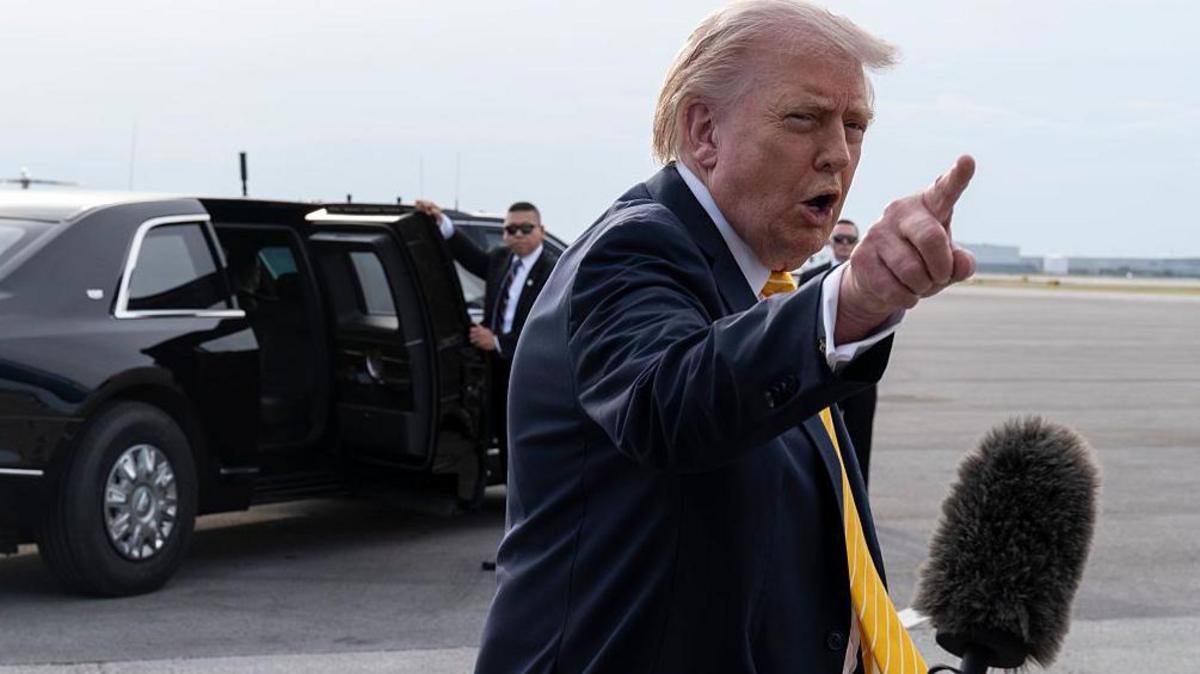
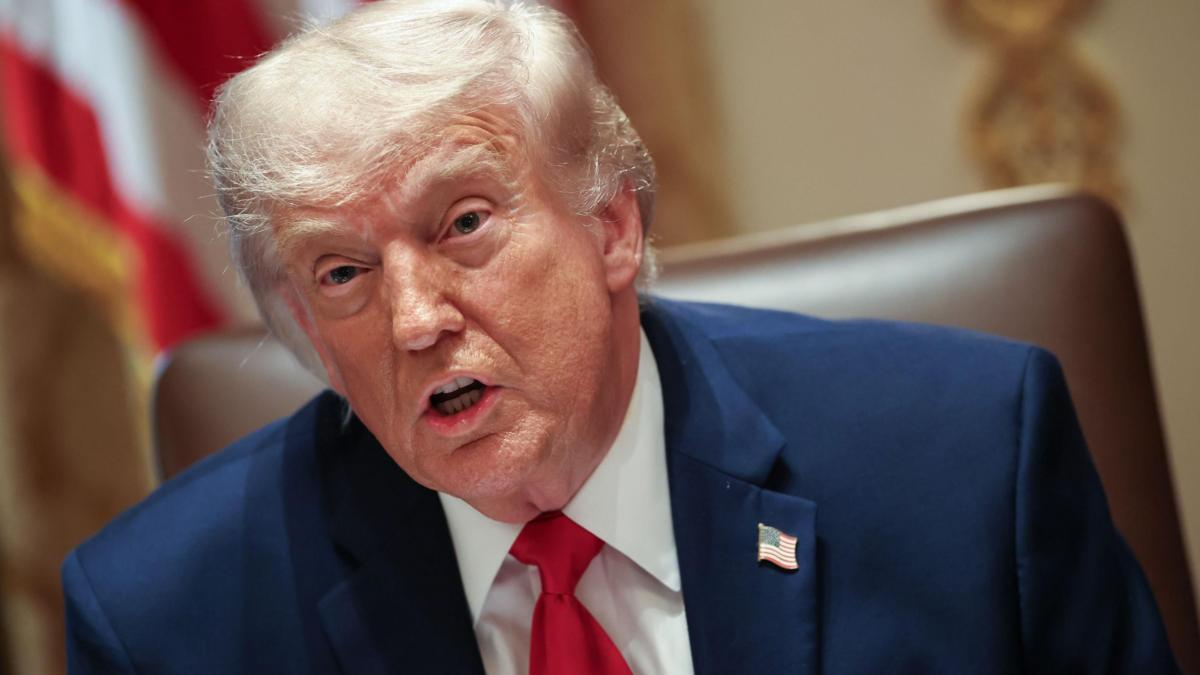
- Trump told reporters in the Oval Office that he is 'not satisfied with what they are offering' and described Iran's leadership as 'very disjointed' with factions that disagree on the path forward, adding: 'They have made strides, but I am not sure they will ever get there.'
- U.S. envoy Steve Witkoff sent amendments on Monday that focused on inserting the nuclear issue back into the draft text, including a requirement that Iran not move any enriched uranium from its bombed nuclear facilities or restart activity at those sites during negotiations.
- Iranian Foreign Minister Abbas Araghchi told counterparts from Turkey, Egypt and Qatar that Iran is ready to pursue diplomacy 'if the excessive demands, threatening rhetoric, and provocative actions of the American side change,' per Tehran's readout.
- Trump huddled with his top national security team — including VP JD Vance, Secretary of State Marco Rubio, Secretary of Defense Pete Hegseth, CIA Director John Ratcliffe and Witkoff — for a 45-minute Situation Room meeting, where CENTCOM commander Adm. Brad Cooper and Joint Chiefs Chairman Gen. Dan Caine briefed new plans for possible military action.
- Trump framed the choice as binary: 'Do we want to go and just blast the hell out of them and finish them forever or do we want to try and make a deal,' and said he prefers not to resume bombing.
Why it matters: The exchange shows both sides are still talking even as Trump is being presented with fresh military options, meaning the next round of diplomacy is racing a potential escalation. The U.S. amendments tying nuclear constraints to any deal — specifically a freeze on enriched uranium at bombed sites — represent the core obstacle, since Iran had proposed postponing the nuclear question to a later stage.
Ask SkimNews