Uber to Equip Drivers’ Cars with Sensors for AV Data — SkimNews

Get the Tech newsletter
Daily tech — startups, AI labs, chips, the launches that shape the next decade. Free.
- Uber announced it will eventually equip its human drivers’ vehicles with sensor kits to collect real‑world data for autonomous‑vehicle companies, as revealed by CTO Praveen Neppalli Naga at TechCrunch’s StrictlyVC event.
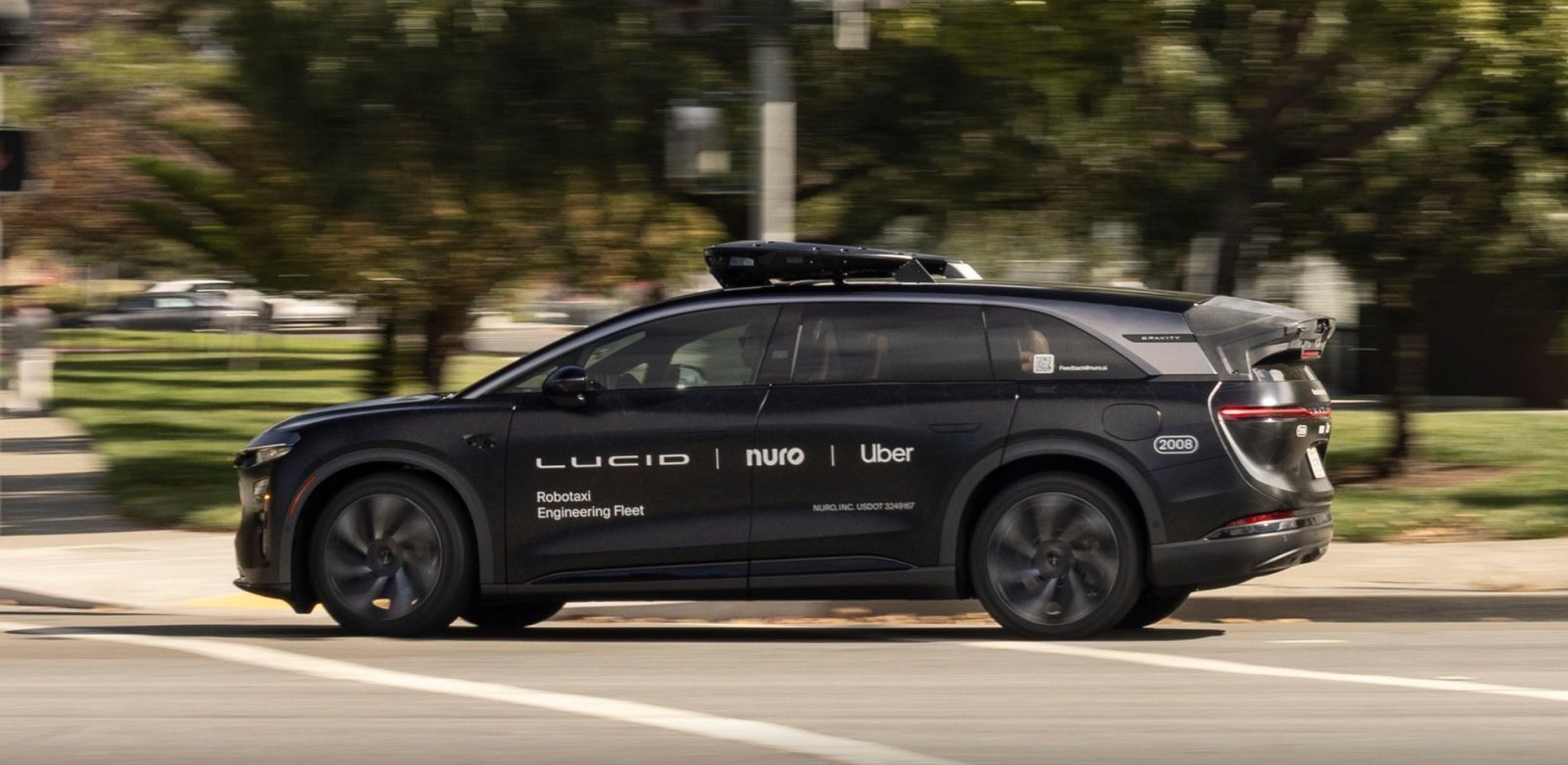
- AV Labs currently operates a small, dedicated fleet of sensor‑equipped cars separate from Uber’s driver network, serving as a pilot before scaling to the broader driver base.
- Uber has partnerships with 25 autonomous‑vehicle firms, including Wayve in London, and is developing an “AV cloud” of labeled sensor data that partners can query and use for model training.
- Partners can run their trained models in “shadow mode” against actual Uber trips, simulating AV performance without deploying vehicles on the road.
- Uber’s CTO said the bottleneck for AV development is data, not technology, citing that firms like Waymo lack the capital to deploy enough cars to collect diverse scenario data.
- Uber aims to “democratize” the sensor data rather than monetize it directly, though its equity investments and proprietary data could give it leverage over the AV ecosystem.
- Regulatory considerations require state‑level clarity on sensor definitions and data‑sharing rules before the driver‑fleet sensor rollout can proceed.
Why it matters: Autonomous‑vehicle firms gain access to a scale of real‑world sensor data that far exceeds any single company’s own fleet, while Uber secures a strategic foothold in the AV supply chain, potentially leveraging its data to influence partner negotiations and market dynamics.
Ask SkimNews