Putin Will Escalate: Autocratic Logic, Not Rational Actor

Get the Geopolitics newsletter
Daily geopolitics — wars, elections, sanctions, the diplomatic moves that move markets. Free.
- NATO Secretary-General Mark Rutte declared the dawn of "NATO 3.0" at an early-July Ankara summit, underwriting an $80 billion military package for Kyiv while retaining the assumption that battlefield pressure will eventually drive Putin to negotiate.
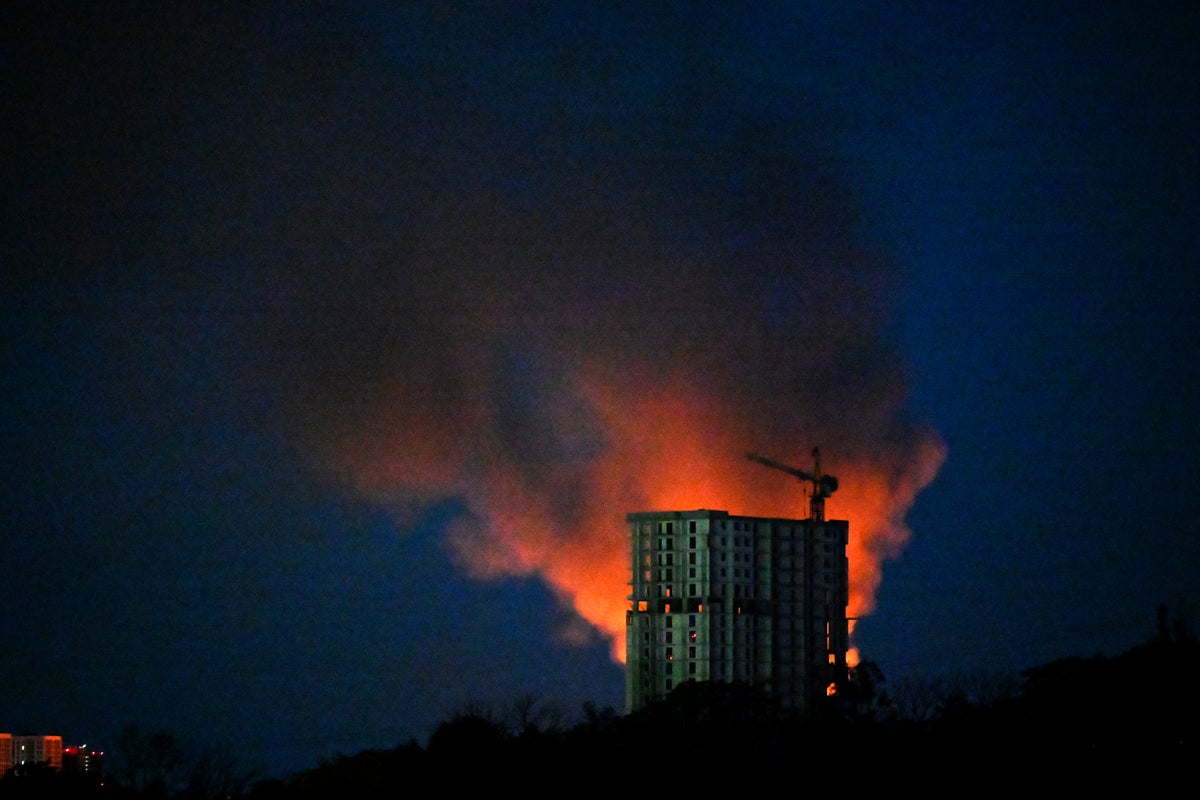
- Ukraine's drone campaign struck Russian oil refineries nearly 200 times from January through early July, disabling eight of Russia's ten largest facilities — including in Omsk, over 1,500 miles from the border — pushing more than 90% of Russian regions into fuel rationing and cutting domestic gasoline output roughly one-third below demand, a shortage Putin has publicly acknowledged.
- Russia responded with intensified ballistic missile barrages on Ukrainian cities facing Patriot interceptor shortages; the July 2 strike on Kyiv killed more than 30 civilians and was timed on the eve of the Ankara summit, reading as a signal of domestic control.
- Moscow has carried out 250 attacks on Naftogaz facilities since the start of 2025, including July strikes on gas sites in Poltava, Kharkiv, and Sumy that targeted Ukraine's winter preparations.
- Russian internal repression is tightening in parallel: the FSB reclaimed control over pretrial detention, treason and espionage prosecutions hit their highest level since 1997, Roskomnadzor restricted access to Telegram and WhatsApp, and former Defense Minister Shoigu's deputy Ruslan Tsalikov now faces corruption prosecution carrying potentially decades in prison.
- The authors prescribe closing Ukraine's Patriot air defense gap to buy time, widening strikes to Russian railways and military-industrial enterprises, and sanctioning the shadow fleet that keeps Moscow's oil revenue moving around Western sanctions.
Why it matters: The authors argue the $80 billion NATO package and Ukraine's refinery strikes will harden Putin's regime before weakening it, meaning the coming months will bring escalation across missile, energy, and hybrid fronts — with Ukraine's survival hinging on closing the Patriot air defense gap while the West builds the multi-front crisis the article says is required.