Putin's Escalation Defies Western Strategic Logic

Get the Geopolitics newsletter
Daily geopolitics — wars, elections, sanctions, the diplomatic moves that move markets. Free.
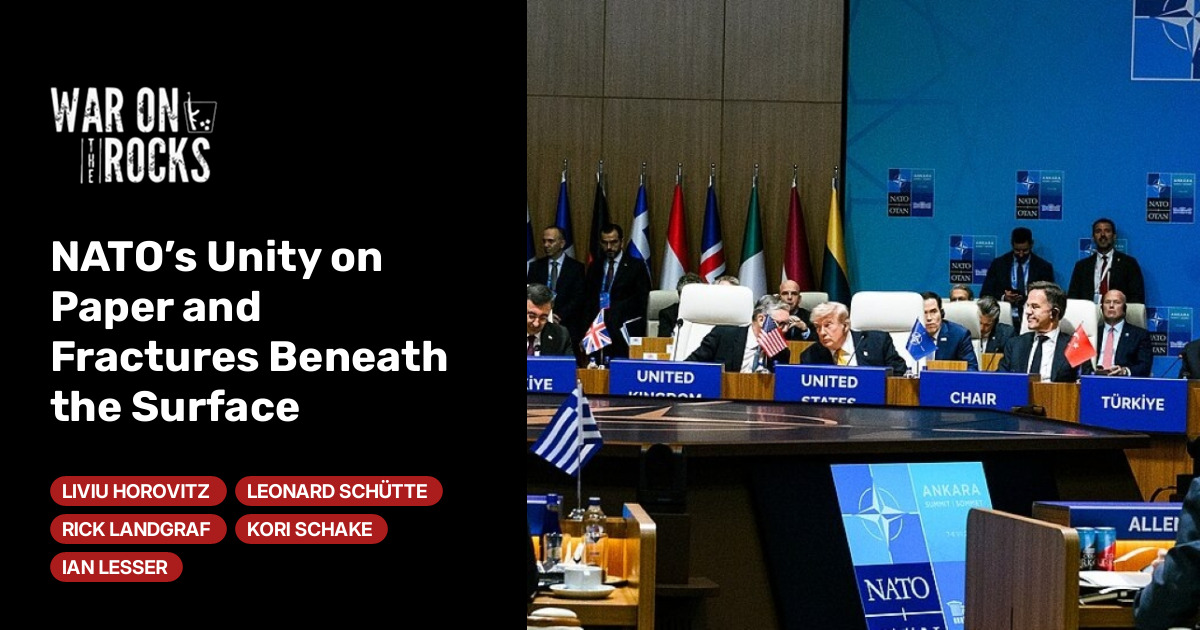
- NATO Secretary-General Mark Rutte declared the dawn of "NATO 3.0" at the Ankara summit in early July, underwritten by an $80 billion military package for Kyiv, premised on the assumption that battlefield pressure will eventually force Putin to negotiate.
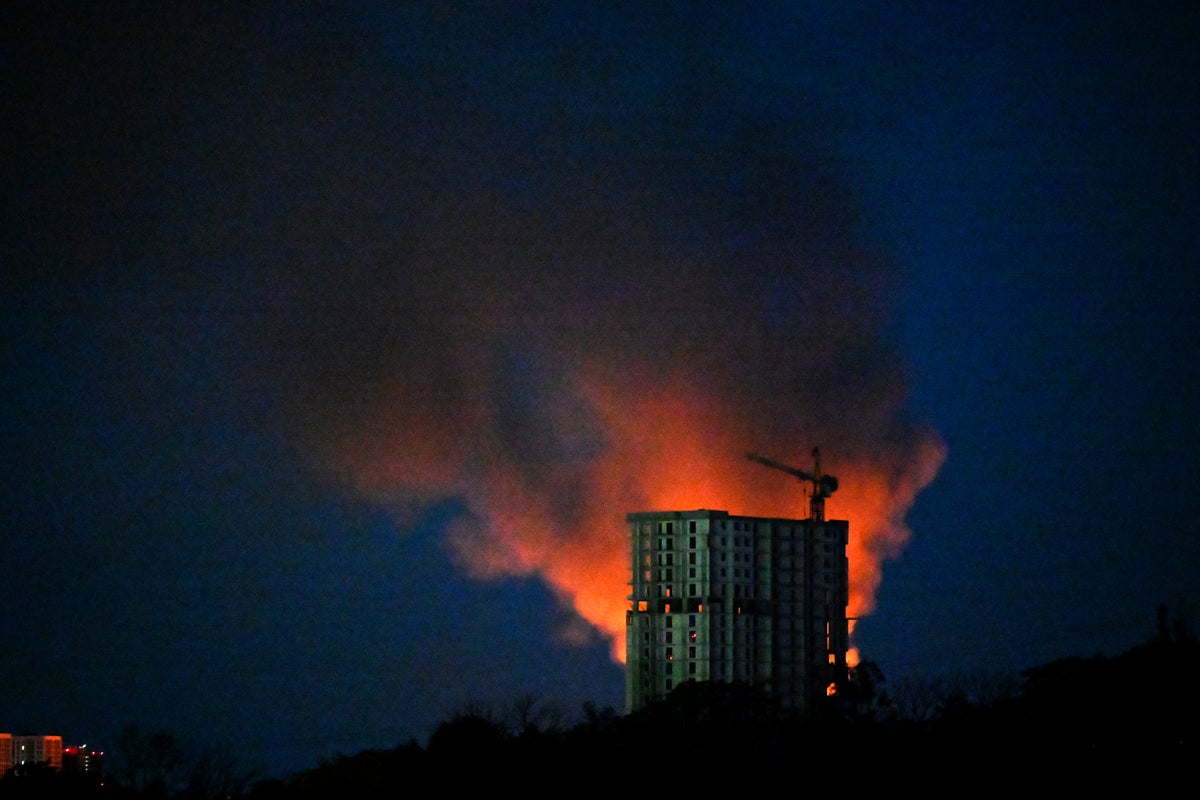
- Ukrainian long-range drones struck Russian oil refineries nearly 200 times from the start of the year through early July, disabling eight of Russia's 10 largest facilities — including one in Omsk, over 1,500 miles from the border.
- Over 90% of Russian regions are now rationing oil and diesel, with domestic gasoline output running about one-third below demand — a fuel crisis for a top-three oil producer severe enough that Putin has publicly acknowledged the shortages.
- Russia intensified massed ballistic missile barrages on Ukrainian cities facing Patriot interceptor shortages; the July 2 attack on Kyiv alone killed more than 30 civilians and was timed on the eve of the Ankara summit.
- Since the start of this year, Moscow has carried out 250 attacks on Naftogaz facilities, intensifying in July with strikes on gas infrastructure in Poltava, Kharkiv, and Sumy — a sustained campaign against Ukraine's winter preparations.
- Polish Prime Minister Donald Tusk disclosed U.S. intelligence that Russia could strike a NATO member within months, part of Moscow's sub-threshold coercion campaign against European allies ahead of the Ankara summit.
- Russia's internal coercive apparatus is tightening: the FSB reclaimed pretrial detention control, treason and espionage prosecutions hit their highest level since 1997, the National Guard now operates its own General Staff, and Roskomnadzor is restricting Telegram and WhatsApp.
Why it matters: The article inverts the dominant Western assumption that battlefield and economic pressure will eventually drive Putin to negotiate. Autocratic survival logic instead reads Ukraine's refinery campaign — which has put 90% of Russian regions into fuel rationing — as a threat to elite cohesion, demanding escalation (250 Naftogaz strikes, intensified missile barrages, NATO-member threats) rather than compromise. For Ukraine this means surviving a coming escalation wave; for NATO 3.0, success depends on generating simultaneous multi-front crises until Russia's elite coalition concludes war poses the greater survival threat.